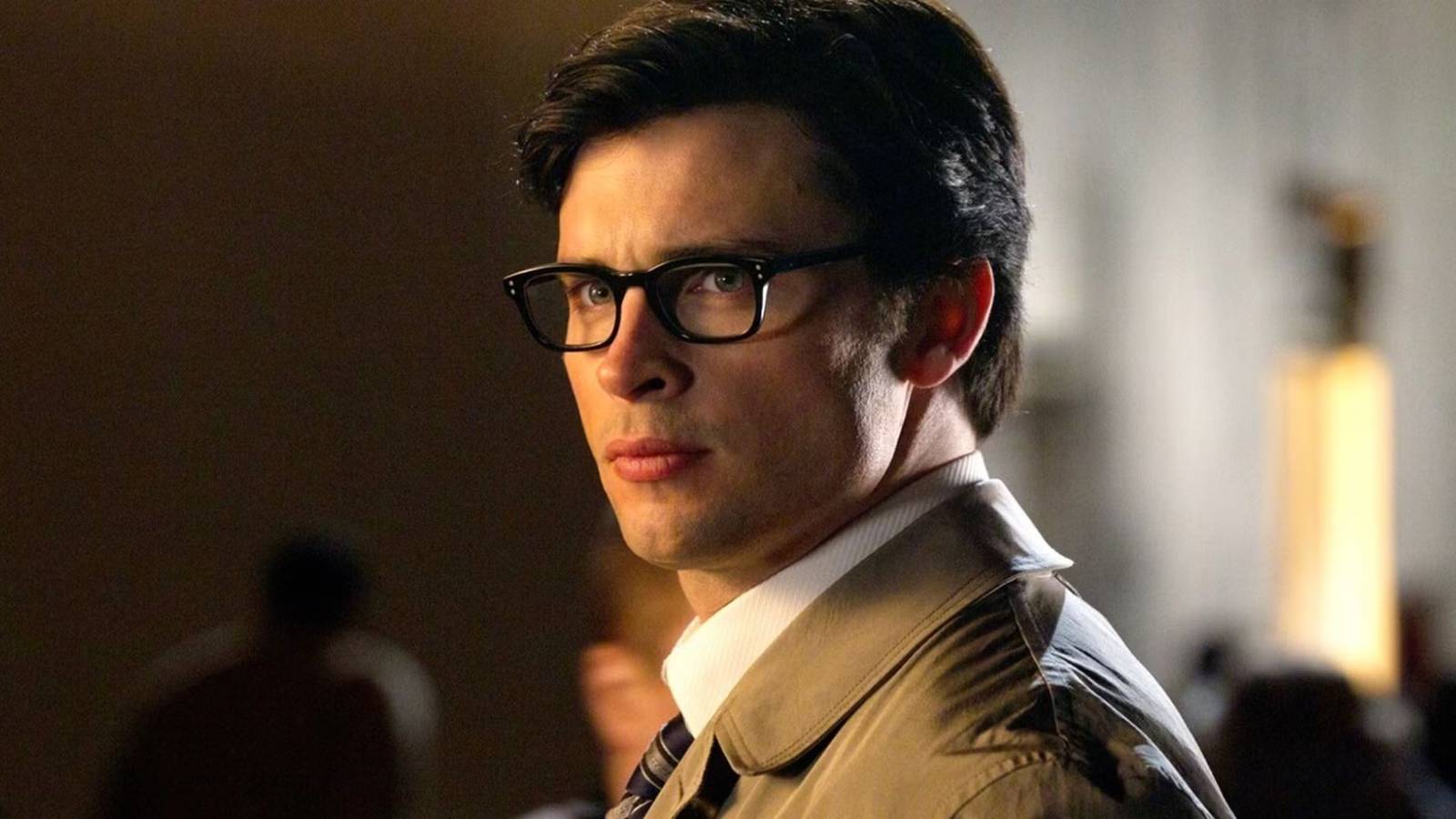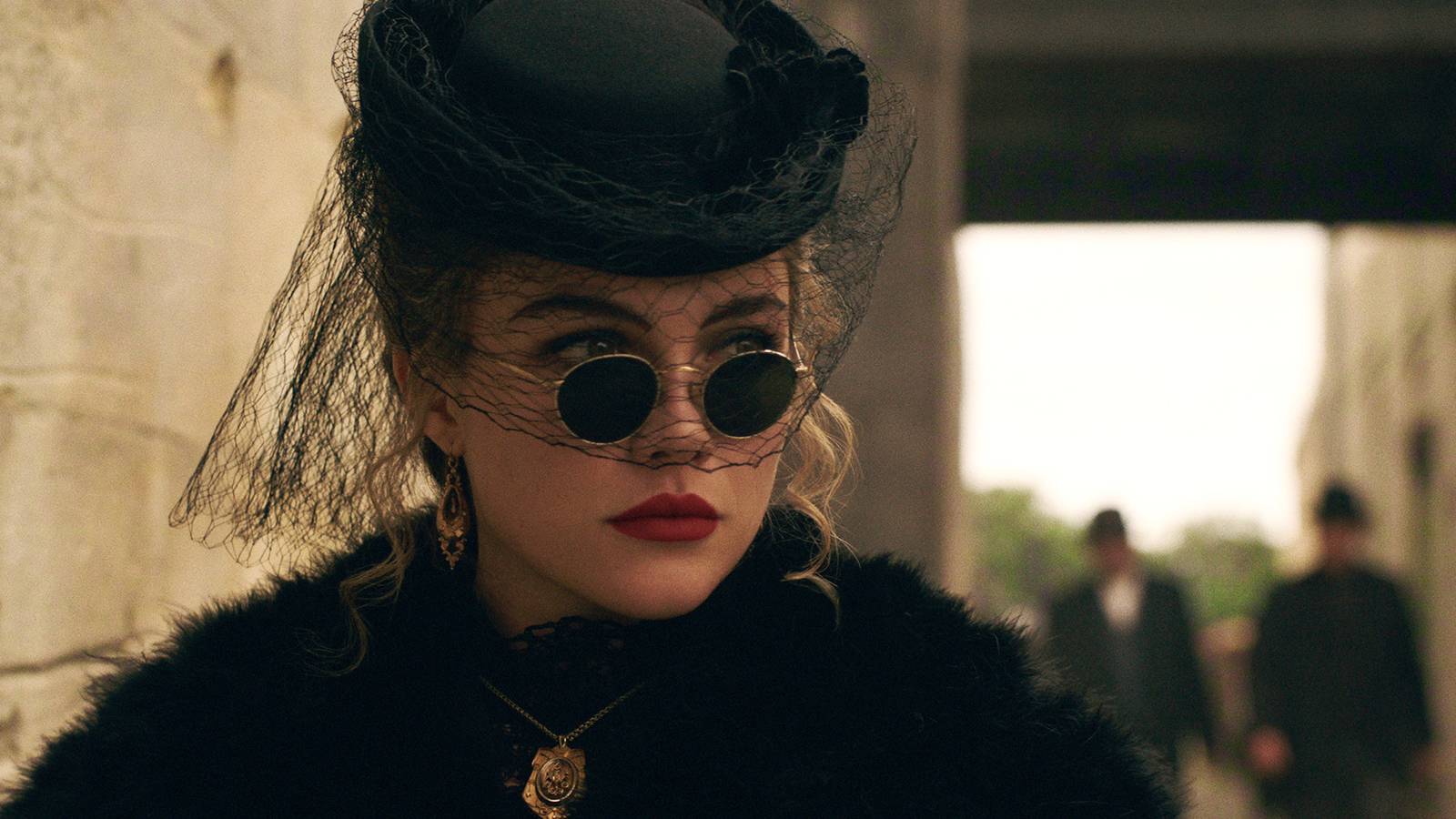
There's a fine line between academic pursuit and dangerous obsession—especially when spirits are involved. Stephen King's three-part miniseries Rose Red, now streaming on Hulu, masterfully walks that line. King has a knack for turning the ordinary into something terrifying, and this forgotten gem is no exception. Set in a quiet Seattle neighborhood, the story begins with a young girl named Annie Wheaton (Kimberly J. Brown), who possesses powerful telekinetic abilities tied to her emotions. But instead of support, Annie faces ostracism and ableist insults due to her autism. When her parents argue outside her room, Annie—obsessively drawing a house—accidentally causes rocks to crash through the roof of a nearby home. The incident forces her parents to keep her isolated.
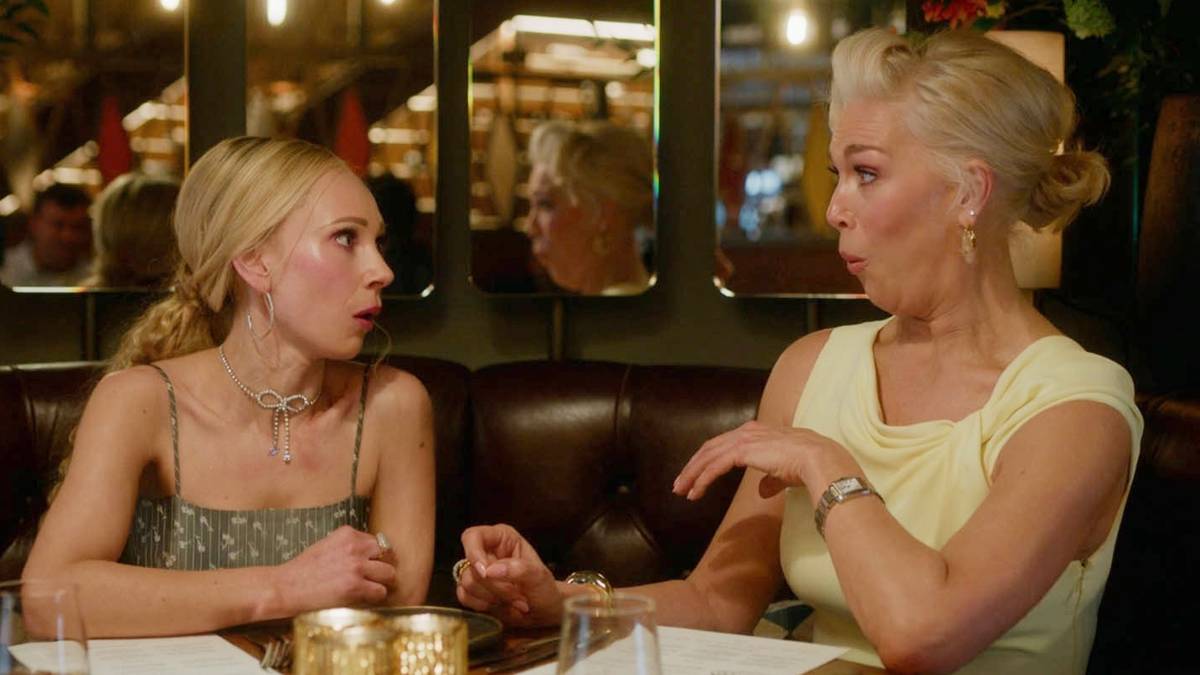
Fast forward ten years, and we meet Dr. Joyce Reardon (Nancy Travis), a parapsychology professor at Beaumont University. Her department is on the verge of being shut down for lack of concrete proof of the supernatural. Desperate, she assembles a team of psychics to investigate the infamous Rimbauer mansion, known as Rose Red. Among them is a now-grown Annie, whose parents reluctantly agree to let her join. As the group explores the mansion, each psychic uses their unique abilities to decipher the spiritual energy within. But Dr. Reardon's true motives soon emerge, revealing a far more sinister agenda than academic curiosity.
A Haunted House with a Dark History
Rose Red is no ordinary haunted house. Built on a Native American burial ground in 1906, the mansion has witnessed the mysterious deaths and disappearances of 23 people. Rumored to be sentient, the house reshapes itself like a living entity, feeding on restless spirits. It was briefly opened for tours in 1972 but abandoned after a visitor vanished. The mansion's horrors are palpable, with ghosts lurking in fireplaces, statues, and the infamous billiard room. Yet, as in any true King story, the real terror lies in human moral decay. Dr. Reardon, initially driven by academic passion, becomes consumed by her need for validation. When her university board questions her work, she prioritizes her career over her team's safety, exploiting the psychics—especially Annie—in her quest for proof.
The series humanizes its psychics, portraying them not as eccentric tropes but as ordinary people with extraordinary abilities. They use their powers sparingly, preferring to avoid spirits rather than confront them. This grounded approach adds depth to the horror, making the supernatural feel all the more real. For fans of King's work, Rose Red is a must-watch, offering a slow-burn that escalates into a full-on ghost chase. If you're looking for more hidden gems, check out our list of Forgotten Gems: 7 Cult Classics That Deserve a Second Look.
The Near-Miss That Almost Never Happened
Rose Red nearly never made it to screen. In 1996, King and Steven Spielberg discussed a ghost story inspired by The Haunting of Hill House, but their visions clashed—Spielberg wanted adventure, King pure horror. The project was shelved, and King later reworked it into Rose Red. Production paused again in 1999 after King was severely injured in a car accident. During recovery, he turned to writing as therapy, eventually completing the miniseries about two and a half years later. The result is old-school King at its finest: a haunted house story with elaborate backstory and human depth. For more binge-worthy miniseries, see Binge-Worthy Brilliance: Miniseries That Hook You From Episode One.
Ultimately, Rose Red is a chilling reminder that the scariest monsters are often human. Dr. Reardon's descent into obsession mirrors the mansion's own hunger, making this a tale of both supernatural and moral horror. If you haven't discovered this Hulu hidden gem yet, now is the time. And for more Stephen King adaptations, don't miss Stephen King's 'The Institute' Is the Perfect Replacement for 'Gen V' Fans.