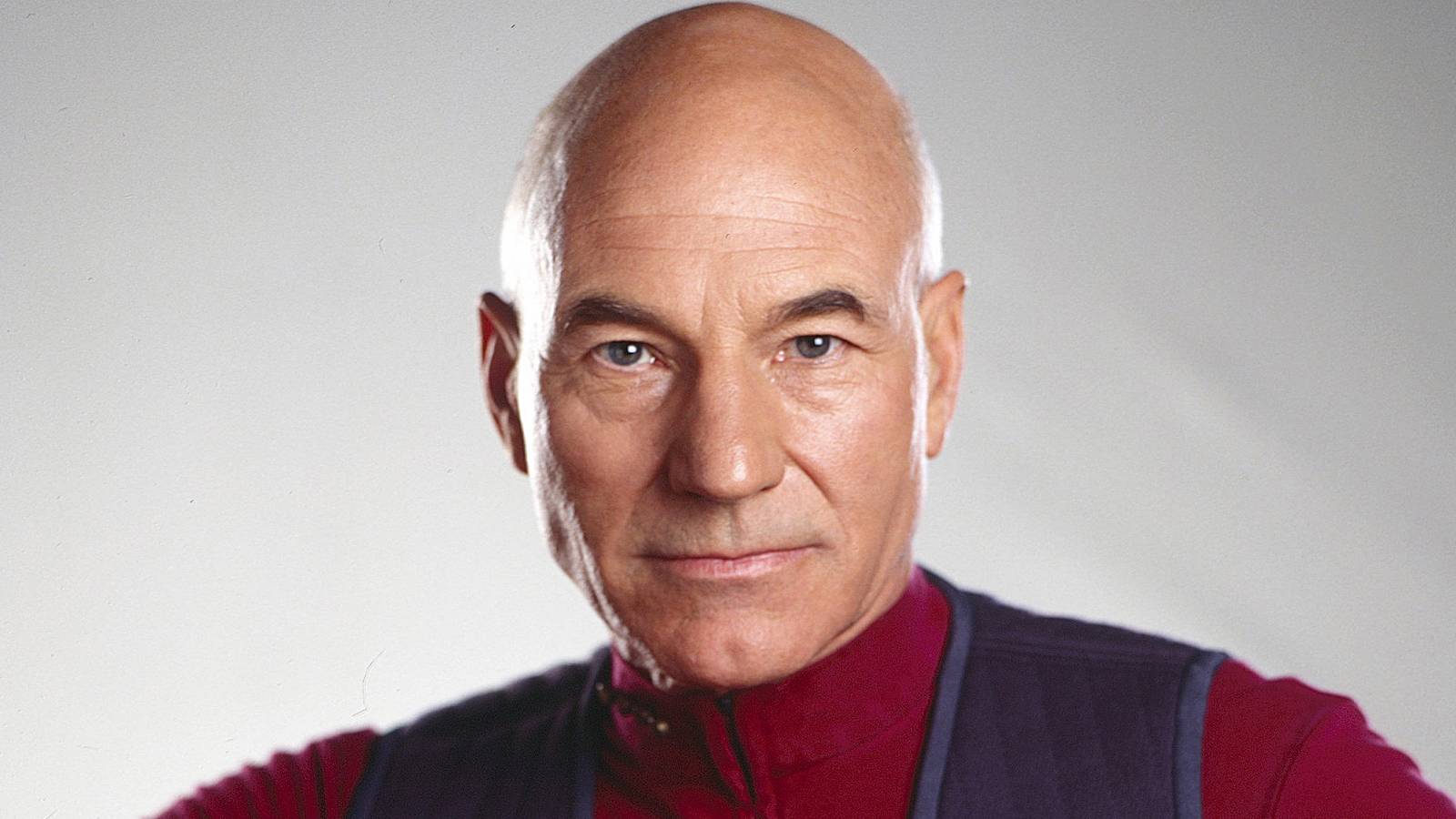
More than three decades after the final episode of Star Trek: The Next Generation aired, one of the franchise's most influential voices is speaking out: the show left the airwaves too soon. Brannon Braga, who started as an intern on the series and later became a key creative force, recently shared his belief that the beloved sci-fi drama was prematurely ended by studio decisions rather than creative exhaustion.
Speaking on The 7th Rule podcast in August, Braga reflected on the show's conclusion after seven seasons in 1994. "In my mind, TNG never ended," he said. "It was taken off the air at the height of its popularity. It had another three years, easy." His comments have reignited debate among fans who have long wondered why the Enterprise crew's adventures stopped when they did.
The series, created by Gene Roddenberry, premiered in 1987 and quickly became a cultural touchstone. Unlike the original series, which focused on the trio of Kirk, Spock, and McCoy, The Next Generation embraced a true ensemble format, presenting a more utopian vision of the future where diplomacy and cooperation took center stage. Its critical acclaim was undeniable, earning 18 Emmy Awards and a 92% average critics' score on Rotten Tomatoes. In its final season, it made history as the first syndicated show to be nominated for Outstanding Drama Series at the Emmys.
So why did it end? Braga attributes the decision to Paramount's business strategy, calling it "arbitrary" and "convenient." The studio believed the series had amassed enough episodes for lucrative syndication deals, while production costs were climbing. Even though the cast had signed contracts for an eighth season, the studio opted to pull the plug, transitioning the cast to the big screen with Star Trek Generations later that year.
Braga's career trajectory is closely tied to the franchise. After his internship, he rose through the ranks, contributing to The Next Generation, Star Trek: Voyager, and Star Trek: Enterprise. He co-wrote the acclaimed series finale "All Good Things..." with Ronald D. Moore, a episode that won the 1995 Hugo Award for Best Dramatic Presentation. His perspective carries weight, as he witnessed firsthand the show's creative peak and the business forces that ended it.
The debate over TNG's early end is part of a larger conversation about how studios handle successful series. In recent years, other shows have faced similar fates, with cancellations sparking fan outrage. For instance, Spider-Noir's Emmy wins made its cancellation look foolish, and Stargate Atlantis' streaming surge questioned Amazon's reboot cancellation. These cases highlight the tension between creative potential and corporate bottom lines.
Braga's comments also resonate with fans who have seen other franchises thrive with extended runs. The Star Trek universe has continued to expand, but The Next Generation remains a high-water mark for many. Its legacy endures through spin-offs, films, and a devoted fanbase that still debates what might have been.
While the show's seven-season run is now considered a classic, Braga's revelation adds a bittersweet note. The Enterprise crew could have explored more strange new worlds, but instead, they left us with a perfect ending—or did they? For Braga, the answer is clear: TNG had more stories to tell.