Strip away the dinosaurs, the spaceships, the sharks, and the adventure serials, and Steven Spielberg reveals a different kind of magic. His dramas are not about spectacle; they are about intimacy. They take the grandest themes—war, history, faith, guilt—and shrink them down to the size of a single human heart. That's where his real power lies.
These films stay with you not because of the explosions or the sweeping shots, but because of the small, devastating moments: a hesitation, a failed goodbye, a realization that comes too late. Spielberg can make history feel epic, but his dramas make it hurt on a personal scale. Here are his four greatest, ranked.

4. Lincoln (2012)
Abraham Lincoln (Daniel Day-Lewis) fights to pass the Thirteenth Amendment through the House of Representatives as the Civil War winds down. The film turns that political battle into the plot itself, showing the bargaining, the pressure, the ugly compromises needed to secure votes before peace changes everything.
It sounds dry, but it's anything but. The movie understands that history is often made in cramped rooms by exhausted people counting votes. Lincoln tells stories when everyone wants a straight answer. Seward (David Strathairn) quietly manages the political machinery, while Thaddeus Stevens (Tommy Lee Jones) swallows part of his beliefs to get something larger passed. The emotional punch comes from knowing how close it all is to failing. No one gets to stand above politics; they have to crawl through it.
3. Munich (2005)
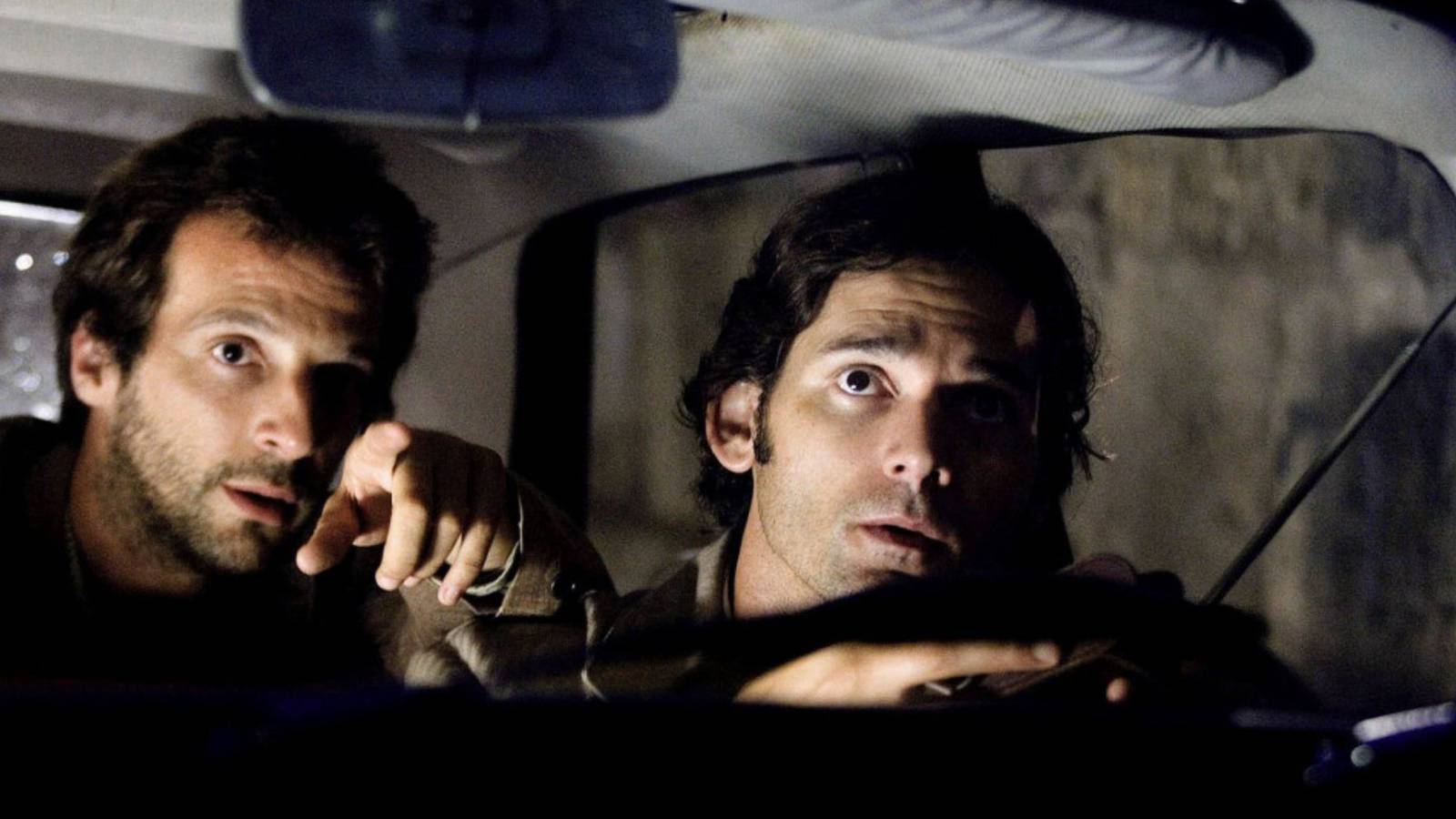
After eleven Israeli athletes are murdered at the 1972 Munich Olympics, Avner Kaufman (Eric Bana) is recruited into a covert operation targeting those believed to be connected to Black September. Munich follows Avner and his team across Europe as one assassination after another turns the mission into something morally impossible to contain.
The film gets under your skin by refusing the comfort of clean revenge. The first killing is clumsy and nervous. Later attacks become more elaborate, more dangerous, and somehow less satisfying. Avner keeps moving, but each target leaves something behind in him. The phone calls home grow more painful as the mission drags on, because normal life starts to feel impossible. By the end, he is physically home but emotionally nowhere near it. That's the part Spielberg refuses to soften: violence can achieve an objective and still destroy the person carrying it out.
2. The Color Purple (1985)
Celie (Whoopi Goldberg) grows up in rural Georgia under horrific abuse, is separated from her beloved sister Nettie, and is married off to Albert (Danny Glover), who treats her as little more than labor. The Color Purple follows Celie across decades as friendships, letters, music, and eventually her own anger begin to give her a life she was taught never to expect.
The dinner scene is the one I always have to stop at whenever it comes up during my doom-scroll sessions. Celie has spent years swallowing humiliation, then finally tells Albert what he has done to her and leaves. There is nothing elegant about the release; it's years of pain arriving at the table at once. Shug (Margaret Avery) helps Celie discover affection without fear, Sofia (Oprah Winfrey) shows another kind of resistance, and Nettie remains the emotional thread that keeps Celie connected to the idea of a larger world. The reunion near the end is devastating precisely because the movie has made you feel how much life was stolen before that moment became possible.
1. Schindler's List (1993)
Schindler's List follows the gradual transformation of a man who begins by exploiting the system and eventually uses his money, contacts, and factory to keep people alive inside it. Oskar Schindler (Liam Neeson) arrives in Nazi-occupied Kraków as a businessman looking to profit from the war, opening a factory staffed largely by Jewish workers because the labor is cheap.
What destroys me is how late Schindler realizes that survival cannot be measured cleanly. He has already saved more than a thousand people when he breaks down over the car he could have sold, the pin he could have traded, the possibility that one more person might have lived. Itzhak Stern (Ben Kingsley) tries to tell him what he did accomplish, but Schindler can only see the people he did not reach. That scene refuses triumph. The real release comes later, when the surviving Schindler Jews and their descendants place stones on his grave. The movie finally lets history answer him. He thought it was not enough. For generations of people who existed because of what he did, it was everything.
For more on Spielberg's recent work, check out our ranking of his last 25 years. And if you're in the mood for more cinematic greatness, explore our list of hard sci-fi classics or hidden fantasy gems.