The 1980s were a powerhouse era for cinema, birthing iconic styles and pushing narrative boundaries. The thriller genre, in particular, thrived on psychosexual tension and bold filmmaking. Yet, time has not been kind to every experiment. Some films that once felt daring now come across as dated, uncomfortable, or outright problematic, their cultural shelf life having expired.
While some movies retain their power despite questionable elements, others have truly curdled. Their once-shocking content now feels exploitative, their politics regressive, and their thrills replaced by cringe. Let's look back at a few '80s thrillers that have, unfortunately, aged like milk left in the sun.

'Body Double' (1984)
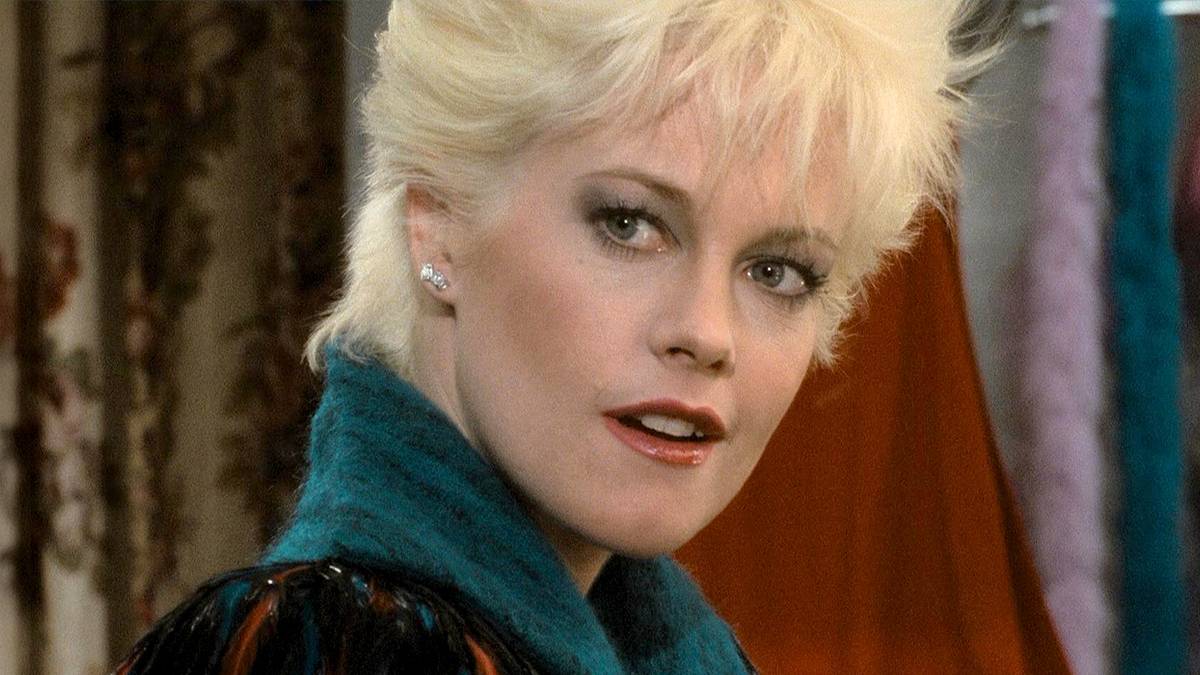
Brian De Palma's neo-noir erotic thriller follows Jake Scully (Craig Wasson), a down-on-his-luck actor who, while house-sitting, becomes fixated on a female neighbor. His voyeuristic obsession spirals when he witnesses her murder, making him the prime suspect and plunging him into Hollywood's seedy underbelly. The film co-stars Melanie Griffith and Gregg Henry.
Intended as a homage to Hitchcock's themes of obsession and voyeurism, Body Double was divisive upon release. Though Griffith earned a Golden Globe nod, the film was widely panned for its vulgar, violent, and exploitative sexual politics. What was meant to be provocative now feels gratuitous and campy, a relic of an era with vastly different sensibilities toward on-screen exploitation. For a more modern take on high-stakes legal tension, check out Ben Affleck's Oscar-Snubbed Thriller 'Argo'.
'Blue Velvet' (1986)
David Lynch's surreal masterpiece follows college student Jeffrey Beaumont (Kyle MacLachlan) who discovers a severed ear in his hometown, leading him into a dark world of crime, sexual obsession, and the troubled nightclub singer Dorothy Vallens (Isabella Rossellini). Dennis Hopper delivers a terrifying performance as the unhinged Frank Booth.
While Blue Velvet is rightly celebrated for its groundbreaking style and Hopper's performance, its treatment of sexual violence and trauma feels increasingly problematic. The film's voyeuristic lens and the dehumanization of Dorothy's suffering, intended to unsettle, now risk trivializing her trauma for artistic effect. It remains a powerful film, but its narrative choices have grown more difficult to stomach over the decades.
'Cruising' (1980)
Directed by William Friedkin and starring Al Pacino, Cruising is a crime thriller about an undercover detective hunting a serial killer targeting gay men in New York City's leather subculture. Based on a novel by Gerald Walker, the film also features Paul Sorvino and Karen Allen.
Controversial from day one, Cruising was criticized for sensationalizing and stigmatizing gay life, reducing a community to a backdrop for lurid violence. While Pacino's performance is intense and the atmosphere grimy, the film's reductive portrayal has only grown staler. It stands in stark contrast to Friedkin's earlier, more nuanced The Boys in the Band, a milestone in queer cinema. For fans of gritty, contemporary thrillers, Gerard Butler's 'Kandahar' offers a modern, action-packed alternative.
'Jagged Edge' (1985)
This legal thriller stars Glenn Close as attorney Teddy Barnes, who defends a charming publisher (Jeff Bridges) accused of murdering his wealthy wife. As Teddy falls for her client, she grapples with his potential guilt. The film features supporting turns from Peter Coyote and Robert Loggia.
While a slick potboiler in its day, Jagged Edge now feels formulaic and melodramatic. Its courtroom scenes and genre tropes haven't weathered the years well, coming across as dated rather than timeless. It's a reminder that not all thrillers from the era retain their edge, unlike some enduring classics that continue to captivate on streaming. For a curated list of current must-sees, visit our Prime Video Weekend Watchlist.
Revisiting these films is a fascinating exercise in cultural context. They capture a specific moment in filmmaking where shock value and pushing boundaries were paramount, often at the expense of sensitivity and nuanced representation. While they remain important chapters in film history, their appeal for modern audiences is significantly tempered by perspectives that have, thankfully, evolved.