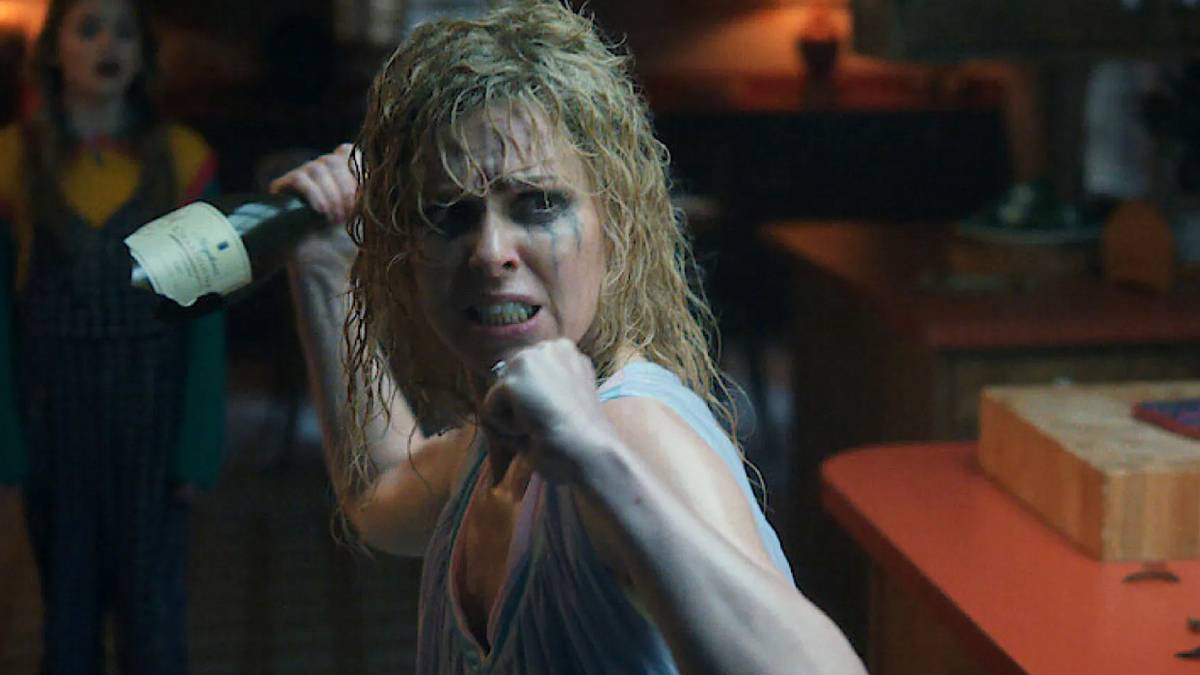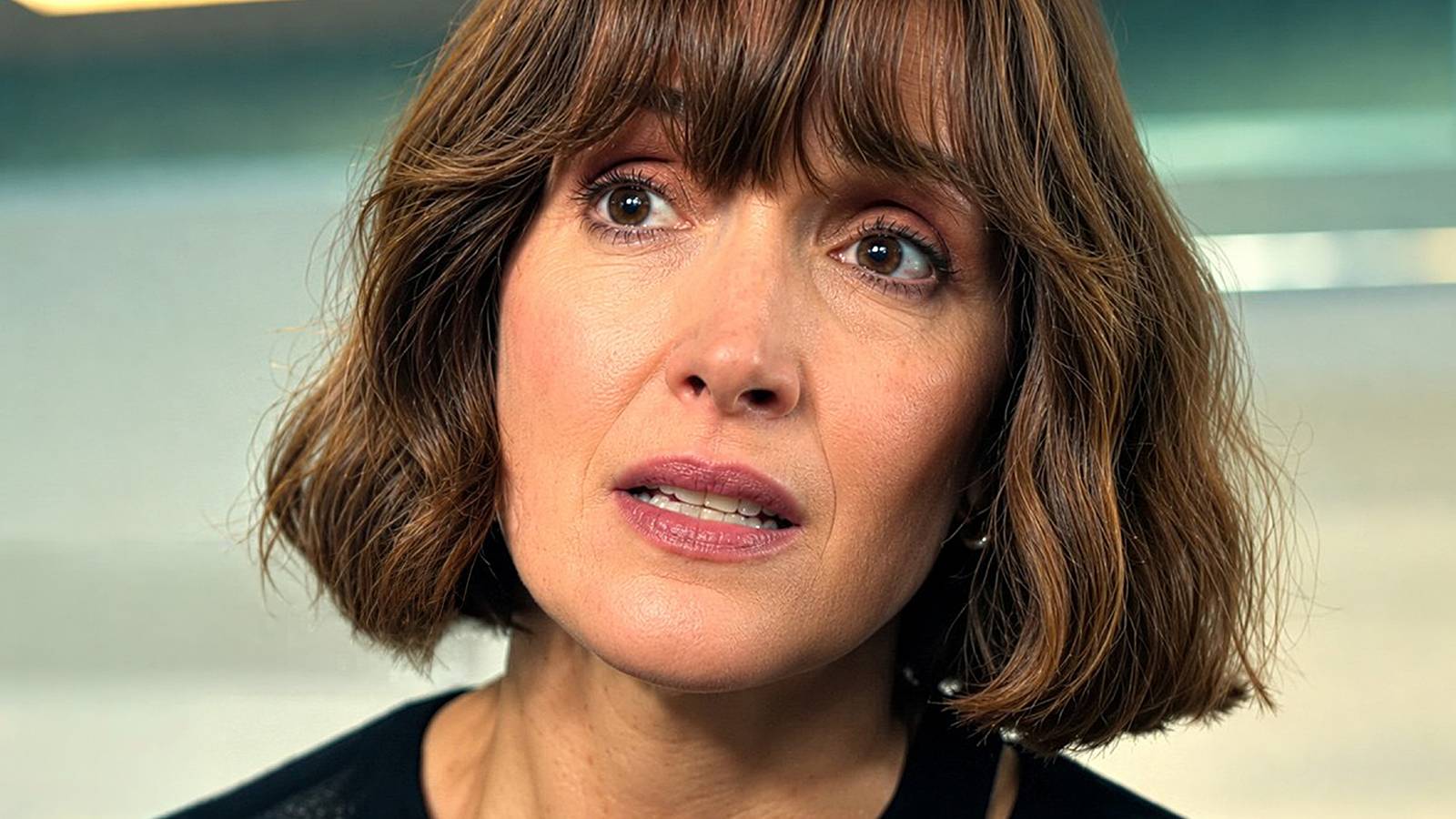
For over a decade, the Intelligence Unit of NBC's Chicago P.D. has been a revolving door of detectives, but one exit continues to cast a long shadow. Sophia Bush's departure as Detective Erin Lindsay after Season 4 remains the show's most impactful loss, a seismic shift that altered the core dynamic of the series and left a void fans argue has never truly been filled.
The Unforgettable Legacy of Erin Lindsay
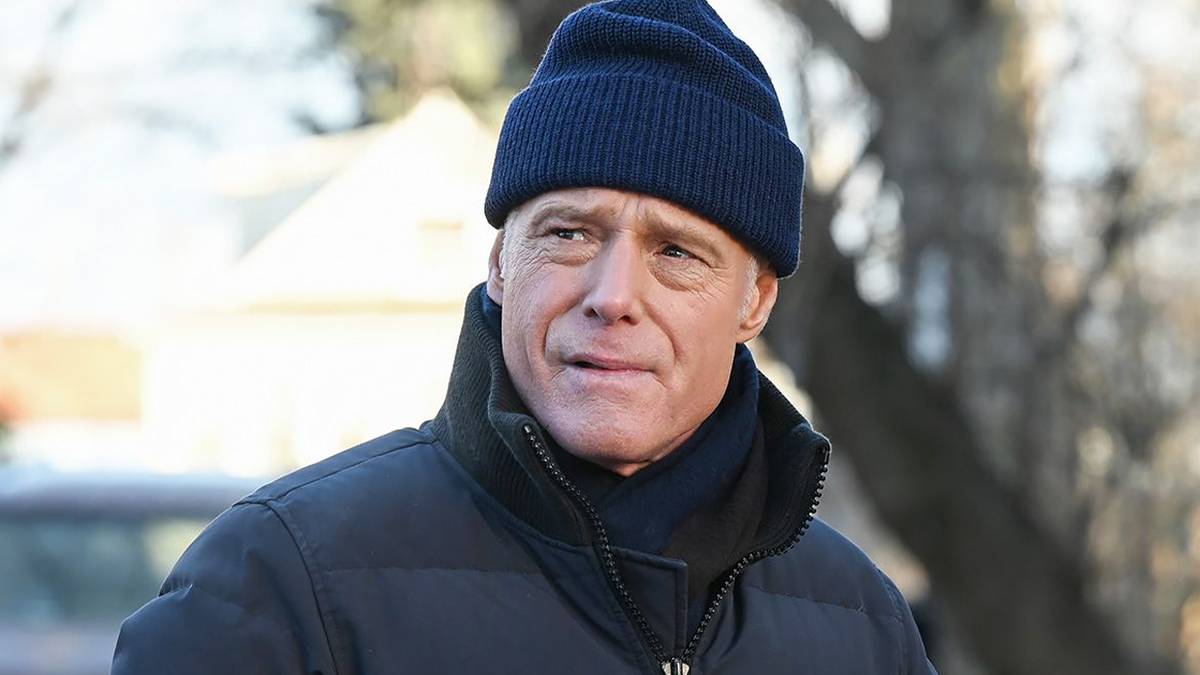
Introduced as a character forged by the streets, Erin Lindsay brought a unique authenticity to the 21st District. Her backstory—a troubled youth that led to petty crime before Sergeant Hank Voight (Jason Beghe) intervened, becoming both mentor and surrogate father—provided a rich, gritty foundation. This history gave Bush and Beghe a powerful, pre-existing bond to explore, elevating their on-screen relationship beyond typical procedural partnerships. Viewers watched Lindsay navigate heartbreaking personal trials, professional crises, and a deep-seated need to prove herself, all portrayed with compelling depth by Bush.
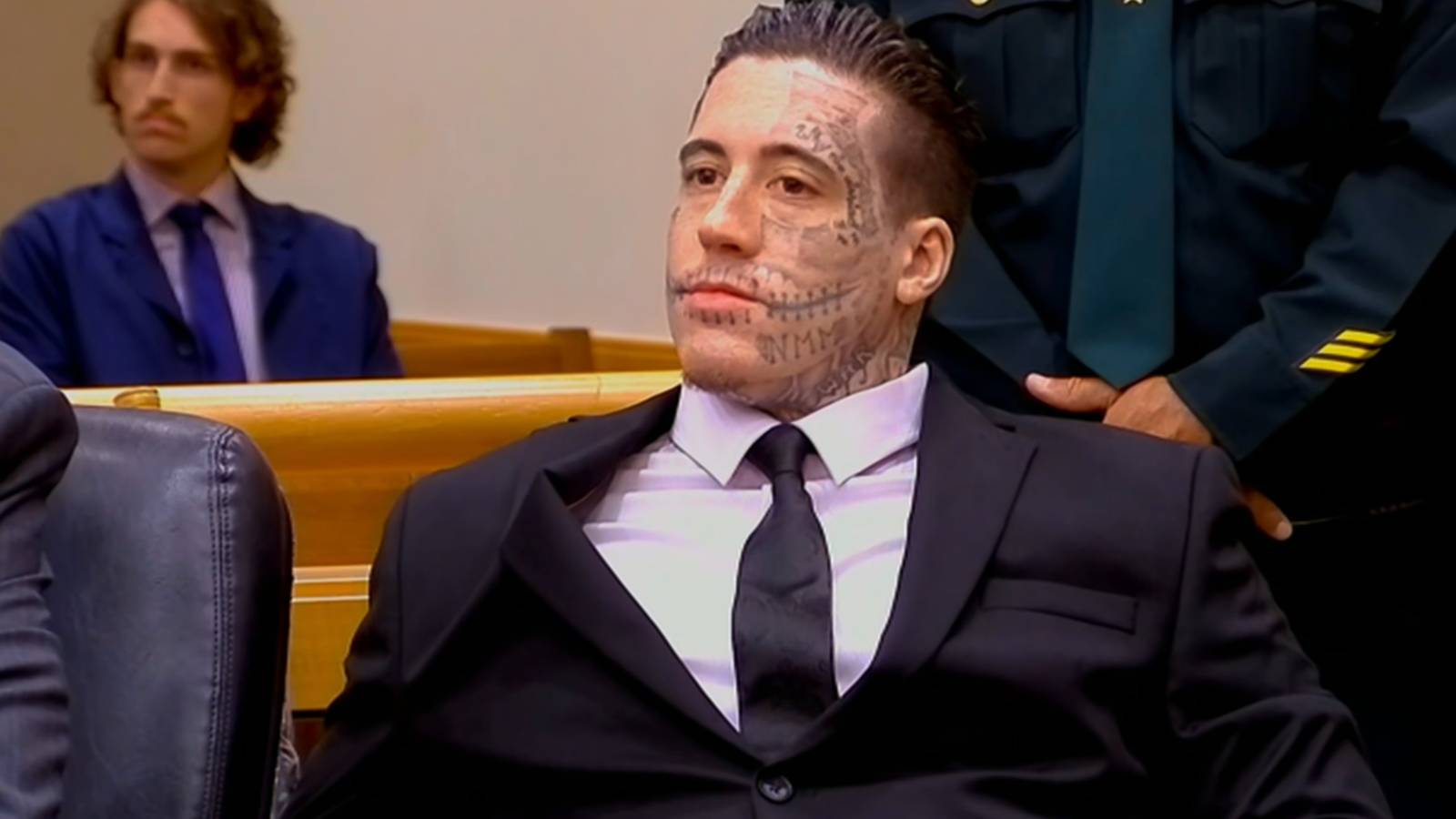
The culmination of her arc was both dramatic and poignant. Facing intense scrutiny from Internal Affairs for crossing a line to save a child—a move that echoed Voight's own controversial methods—Lindsay was given a lifeline. Voight arranged her transfer to a narcotics unit in New York, forcing a heartbreaking farewell that concluded one of the series' most compelling character journeys and a central, emotionally charged relationship.
A Team Forever Changed
In the seasons following Lindsay's exit, the show introduced new faces, most notably Detective Hailey Upton (Tracy Spiridakos), who stepped into the vacancy on the team. While Upton developed her own rapport with Voight, many fans and critics felt the dynamic lacked the raw, earned history of the Lindsay-Voight connection. The show has continued with strong ensemble work, including the beloved romance between Kim Burgess and Adam Ruzek and the steadfast presence of Officer Kevin Atwater, but it has never quite replicated the specific emotional rawness and street-level authenticity that Lindsay embodied.
The character was mentioned briefly in the immediate aftermath of her departure but has since faded into silence. This absence underscores a lingering sentiment: the Intelligence Unit lost a piece of its soul. The show remains a ratings success, but a certain gritty heart left with Bush's character. For a show built on high-stakes crime solving, the loss of such a deeply personal, character-driven anchor has been profound.
The Real-World Reasons Behind the Exit
Bush's exit was not merely a creative decision. At the time, she stated she left the show by choice, but reports later surfaced detailing a difficult work environment. An investigation by NBC into co-star Jason Beghe's behavior on set, described as involving "ongoing anger management issues," was cited as a significant factor. Beghe issued a public apology, but by then, Bush had moved on professionally.
This behind-the-scenes context makes any potential return for Lindsay highly unlikely. Bush has since built a thriving career elsewhere, including a recent high-profile role on Grey's Anatomy, firmly planting her in a different television landscape. The door to her return appears closed, cementing her departure as a permanent change for the series.
While procedurals like Rizzoli & Isles on Netflix prove the lasting appeal of dynamic crime-solving partnerships, and satires like American Vandal play with the genre's conventions, Chicago P.D. remains grounded in its gritty Chicago realism. It's in that realism that the absence of a character like Erin Lindsay, who was born from that very world, is felt most acutely. Her story serves as a reminder that in television, as in the crime dramas we love, some departures leave a case that's never truly closed.