Every week, the writers behind Saturday Night Live UK craft around 35 sketches, but only a lucky six survive to the live broadcast. That means a staggering 83% of the comedy created for each episode never reaches your screen. Even a sketch that earns laughs during rehearsals can be yanked just 90 minutes before airtime, leaving cast members in costume and hosts bewildered. It's a ruthless, high-stakes game where only the funniest material gets to play.
At the Edinburgh TV Festival 2026, SNL UK cast members Emma Sidi and Jack Shep, along with lead producer James Longman, pulled back the curtain on this brutal selection process. They explained that the show's format depends on a relentless cycle of writing, reading, and cutting. The live audience isn't just there to laugh—they're part of the editing team, their reactions helping decide which sketches make the final cut.
The Wednesday Bloodbath: 35 Sketches, 6 Survivors
Each Wednesday, the team gathers for a table read, performing all 30-35 sketches written that week. Longman describes this as having a certain "purity"—hearing the scripts aloud gives an instant sense of what works and what falls flat. A sketch with a promising premise on paper has to compete with everything else, and there's no room for sentimentality. For writers, rejection is routine. Co-head writer Jonno Johnson notes that with so many scripts, many writers will inevitably see their work cut. The key, he says, is learning "how you handle kind of failure and rejection."
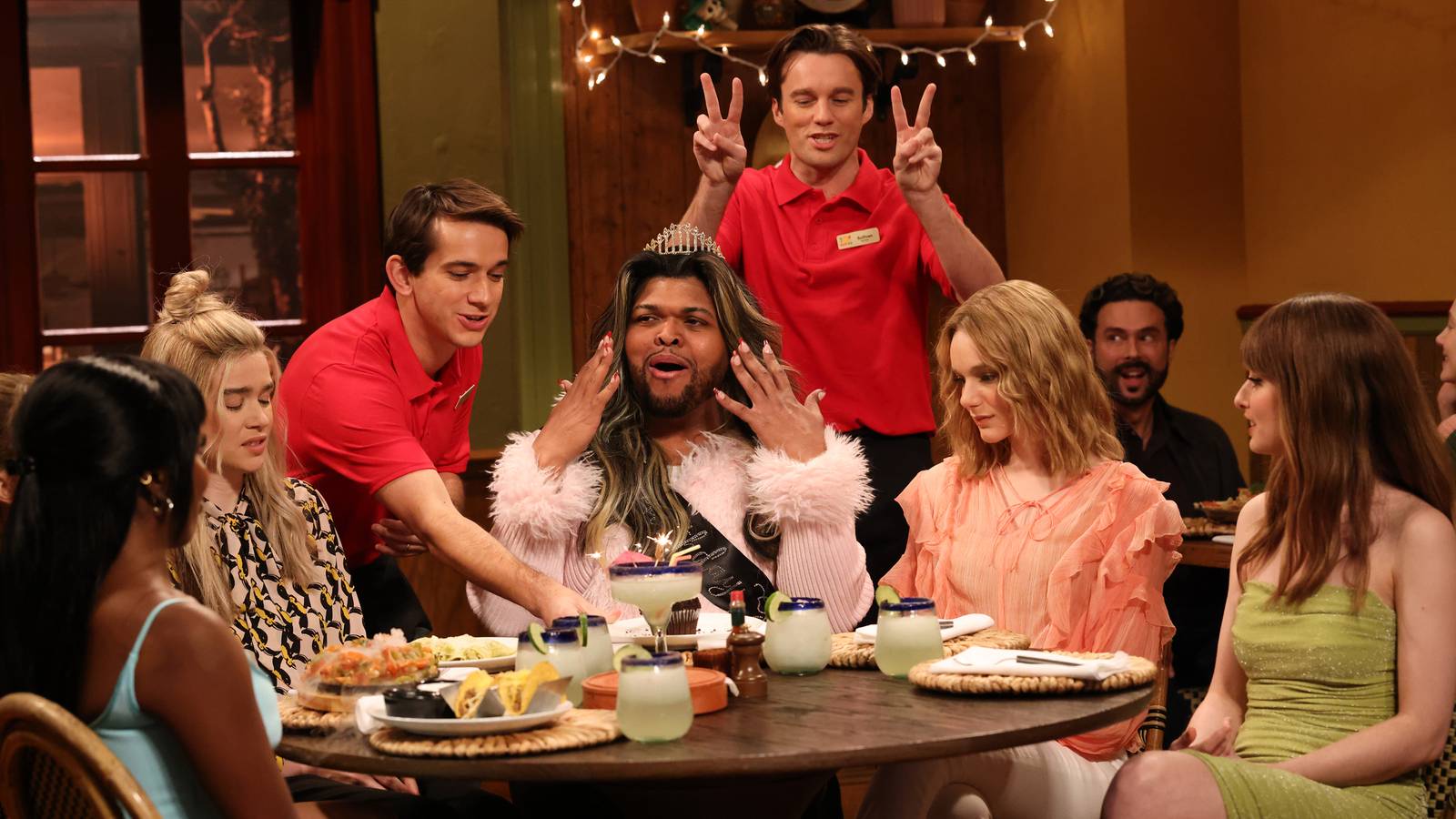
Cast member Jack Shep admits Wednesdays are tough because so much of the discarded material is genuinely funny. "You do like, you know, hours and hours of hilarious stuff, and you just have to let it go," he said. He recalls one sketch he was sad to lose: a group of friends trying to convince someone not to dump her boyfriend because he worked at Jo Malone, and they'd lose his staff discount. Oh, and the boyfriend was a "horrific blob."
Dress Rehearsal: The Final Gauntlet
At 6pm on Saturday, the team runs a full dress rehearsal in front of a live audience, a longer version of the show before the 10pm broadcast. This is the first time they see how sketches perform in front of a crowd. Longman explains that this is when they feel the show's energy, discovering which jokes land and which die. The audience's laughter becomes a crucial editing tool.
But even a laugh isn't a guarantee. Emma Sidi recalls a sketch cut after dress rehearsal for the second episode of Season 1, hosted by Jamie Dornan. The segment, "Loose Men," a parody of daytime talk shows, had gone over well, but Sidi admits, "All the other sketches were way better." That's the harsh reality: a sketch can survive the writing process, make it through rehearsal, and be performed with the host in costume, only to vanish before the home audience ever sees it.
Director Liz Clare explains that the in-room audience takes precedence over home viewers because their laughter fuels the performance. The cast is playing to two audiences—the room and the cameras—but the room's reaction provides the most useful data. The audience unknowingly shapes what millions of viewers eventually see.
Rewrites Right Up to the Wire
After dress rehearsal, Longman and the team cut two sketches, leaving just 90 minutes to scramble the running order, rewrite material, and remove entire sections. "Everything gets scrambled, rearranged," Longman says. "It keeps getting rewritten, and then the show goes out of 10." It's a chaotic, high-pressure environment that demands resilience from everyone involved.
Even the top writers aren't immune. Johnson recalls writing a sketch about a planet where everyone was named Paul Selby, and its inhabitants couldn't understand how Earth functioned with different names. It seemed reasonable at the time, but watching it back left him questioning his sanity. The writers who thrive on SNL UK are those willing to let go of their ideas and embrace the collaborative chaos. For fans of the show, it's a reminder that what you see on screen is the tip of a comedic iceberg—and that the process is as brutal as it is brilliant.