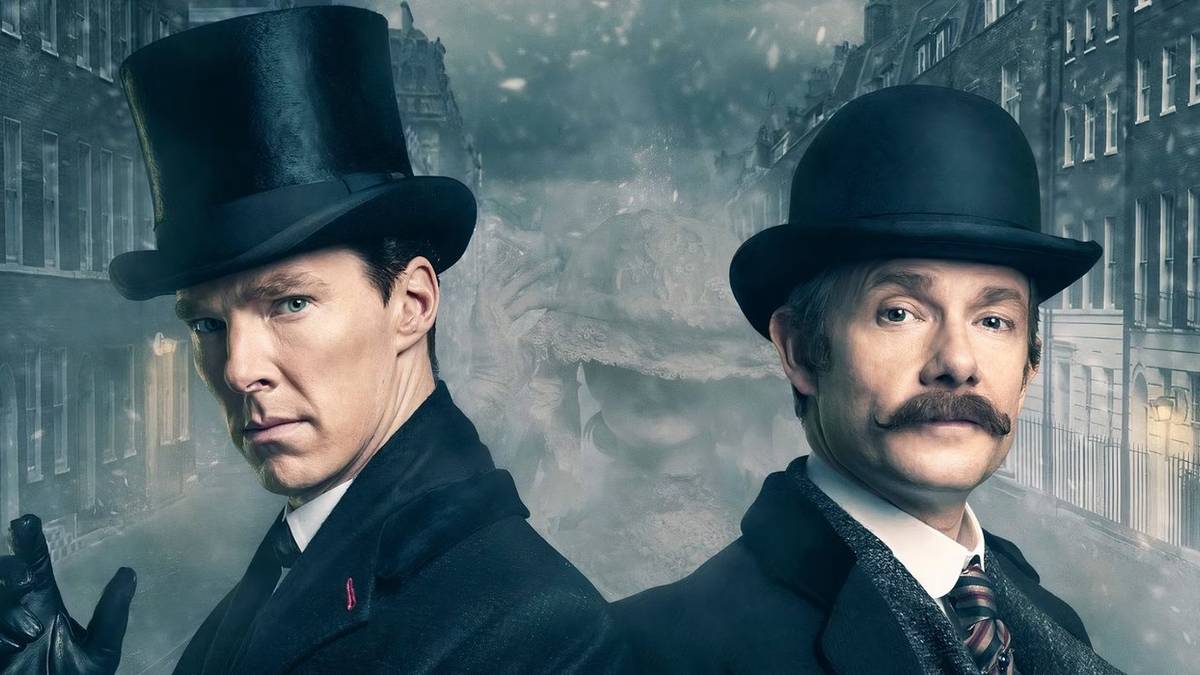
Sherlock Holmes has been reimagined countless times—from Benedict Cumberbatch's modern-day genius to Robert Downey Jr.'s action hero. But one gap in the canon has remained virtually untouched: the three years between his apparent death at Reichenbach Falls and his return. Sky's upcoming series The Death of Sherlock Holmes, starring Rafe Spall and set for a 2027 premiere, finally dives into that unexplored territory with an adults-only, psychological twist.
For over a century, adaptations have relied on the same familiar elements: 221B Baker Street, Dr. Watson, Professor Moriarty, and Irene Adler. Even the most inventive retellings tend to remix existing stories rather than expand the character's world. The Death of Sherlock Holmes breaks that pattern by building its narrative around what Arthur Conan Doyle intentionally left vague—the period after Holmes' fall into the Reichenbach gorge.
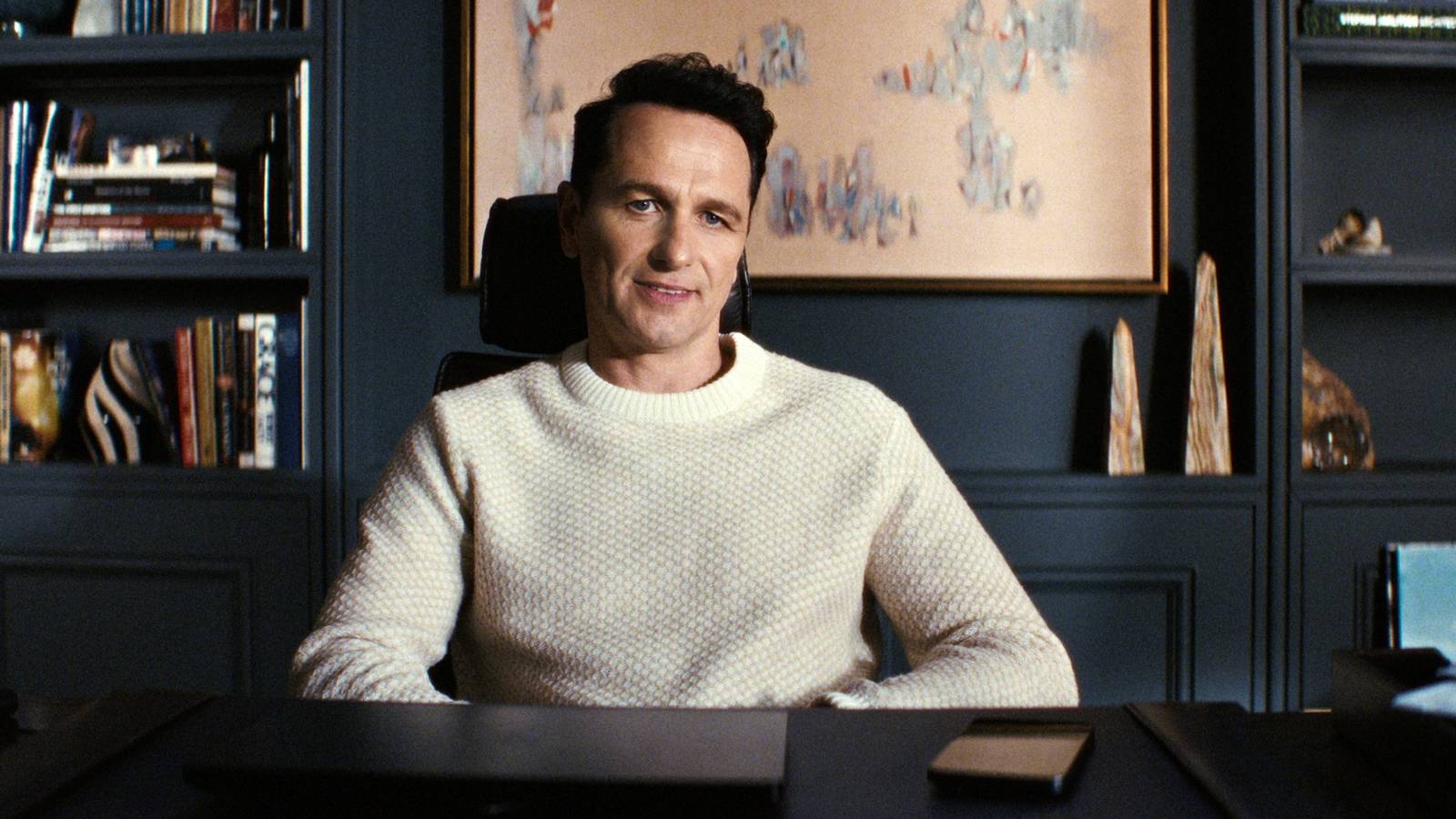
The series picks up in 1891, right after Holmes' deadly confrontation with Moriarty. The world believes the detective is dead, but an injured, amnesiac Englishman is pulled from an icy stream in a Swiss village by a local woman named Alma and her son, Franz. This version of Holmes doesn't know who he is, stripping away the certainty that defines the character. As one of the most iconic detectives in fiction, seeing him lost is a radical shift.
Turning the Detective Into the Mystery
Sherlock Holmes is usually the smartest person in the room, solving everyone else's problems. The Death of Sherlock Holmes reverses that dynamic. Here, Holmes himself becomes the central puzzle. He's no longer the master of deduction but a broken man trying to piece together his own identity while also solving a murder tied to a wider conspiracy. The snowy Alpine setting feels a world away from the foggy London streets fans know, and the tone leans into a moodier, more psychological atmosphere than typical Holmes stories.
Rafe Spall is an inspired choice for this version of the detective. Known for playing intelligent men who look slightly worn, Spall brings a vulnerability that fits a Holmes stripped of his usual advantages. The series also benefits from being an adults-only production, allowing for a grittier, more brutal take on the character's journey. This isn't the sanitized Holmes of family-friendly adaptations; it's a raw exploration of survival and identity.
Why Reichenbach Falls Finally Gets Its Due
Reichenbach Falls has become iconic in Holmes lore, but most adaptations treat it as a dramatic ending or a quick fake-out. The Death of Sherlock Holmes is one of the few projects to explore what surviving that fall would actually do to a person. Doyle himself glossed over the three years, claiming Holmes dismantled Moriarty's syndicate in Europe before returning to England. The series fills that gap with emotional and psychological depth, showing how the experience reshapes the detective.
This approach sets the show apart from other recent Holmes projects, like Guy Ritchie's action-packed films, which focus on spectacle. Instead, The Death of Sherlock Holmes offers a character study that challenges everything fans think they know about the world's greatest detective. With its 2027 release on Sky, this series promises to be a bold new chapter in the Holmes legacy—one that finally answers the question: what happened during those lost years?