Video games have a unique power to immerse players in worlds that movies and TV shows can only hint at. While films like The Lord of the Rings offer rich lore, they can't match the depth of interactive experiences like God of War. In games, you don't just watch a story unfold—you live it, exploring vast landscapes and making choices that shape your journey. This is why worldbuilding in gaming is so crucial: it's not just about a cool setting, but about crafting a living, breathing universe with history, culture, politics, and change.
Here are ten sci-fi video games that excel at worldbuilding, each a masterclass in design, narrative, and detail.

Deus Ex (2000)
In Deus Ex, the future isn't a gleaming utopia—it's a dark age. Set in 2052, a pandemic has devastated the world, and only the wealthy have access to the vaccine. You play as an agent hunting those who steal it, only to uncover a web of conspiracy. The game's brilliance lies in its integration of real-world conspiracy theories—the Illuminati, Area 51, Majestic 12—into a coherent, gripping narrative. Players have total freedom to explore this dystopia, making every corner feel alive and every choice consequential.
Cyberpunk 2077 (2020)
Cyberpunk isn't just about space; it's about a dystopian Earth, and Cyberpunk 2077 captures that perfectly. Night City is a sprawling metropolis shaped by capitalism and decay, where crime is the only way to get ahead. You play as V, a mercenary who gets a terrorist's digital ghost implanted in their head. The city itself is a character—oppressive, detailed, and unforgettable. It's a world that feels both chaotic and coherent, and players suffer and thrive within its neon-lit streets.
Star Wars: Knights of the Old Republic (2003)
Set 4,000 years before the Empire, Knights of the Old Republic expands the Star Wars universe in incredible ways. You play as a amnesiac hero caught between the Sith and the Jedi, with a twist that's still celebrated today. The game delves into the philosophy of the Force and the histories of both factions, creating a narrative that fans consider canon. It's a testament to how a game can enrich a beloved franchise.
Fallout: New Vegas (2010)
Fallout: New Vegas might not be traditional sci-fi, but its post-apocalyptic world is a masterclass in retro-futurism. Set in the Mojave Wasteland, you're thrust into a power struggle over the Hoover Dam. The game's world is built through iconic landmarks, eccentric characters, and side quests that reveal the messy reconstruction of society. It's a daring, captivating take on a world after the bombs.
Half-Life 2 (2004)
Valve's sequel is a pioneer of environmental storytelling. In Half-Life 2, City 17 is a dystopian habitat under alien rule. The game shows, rather than tells, its history through brutalist alien architecture imposed on human buildings and propaganda plastered everywhere. It's a world that feels oppressive and lived-in, and Gordon Freeman's revolution is all the more compelling for it.
Horizon Zero Dawn (2017)
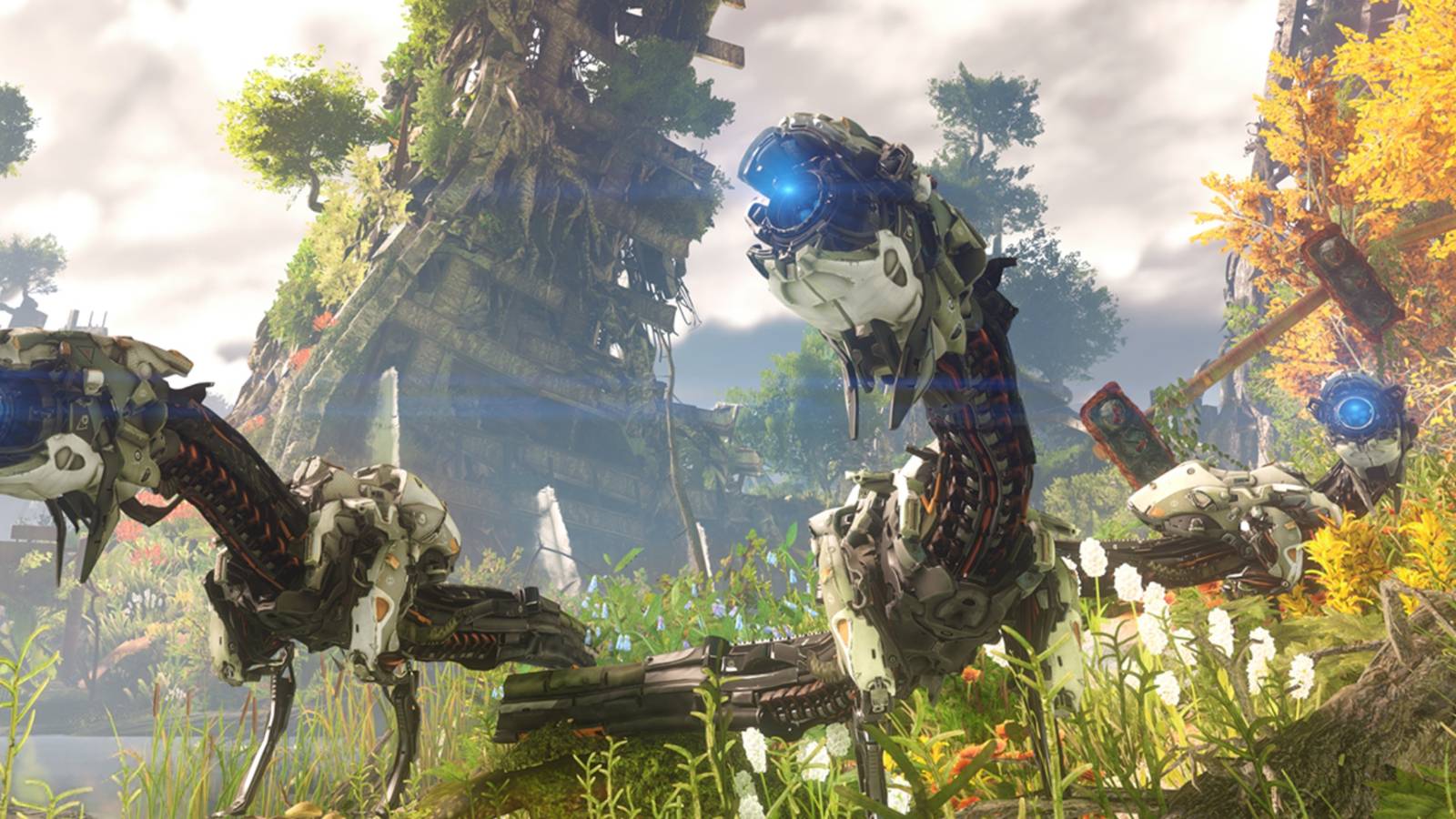
PlayStation's Horizon Zero Dawn is a visual and narrative triumph. Set in a far future where mechanical creatures roam and humanity has regressed to tribal societies, the game slowly unravels the mystery of what happened to the old world. The worldbuilding is meticulous, from the tribal cultures to the ruins of our civilization, creating a story that's both epic and intimate.
These games prove that worldbuilding is more than just a backdrop—it's the heart of the experience. For more immersive gaming worlds, check out our list of the best Harry Potter games or the top Jurassic Park titles. And if you're looking for something new, our digital-only picks for August might surprise you.