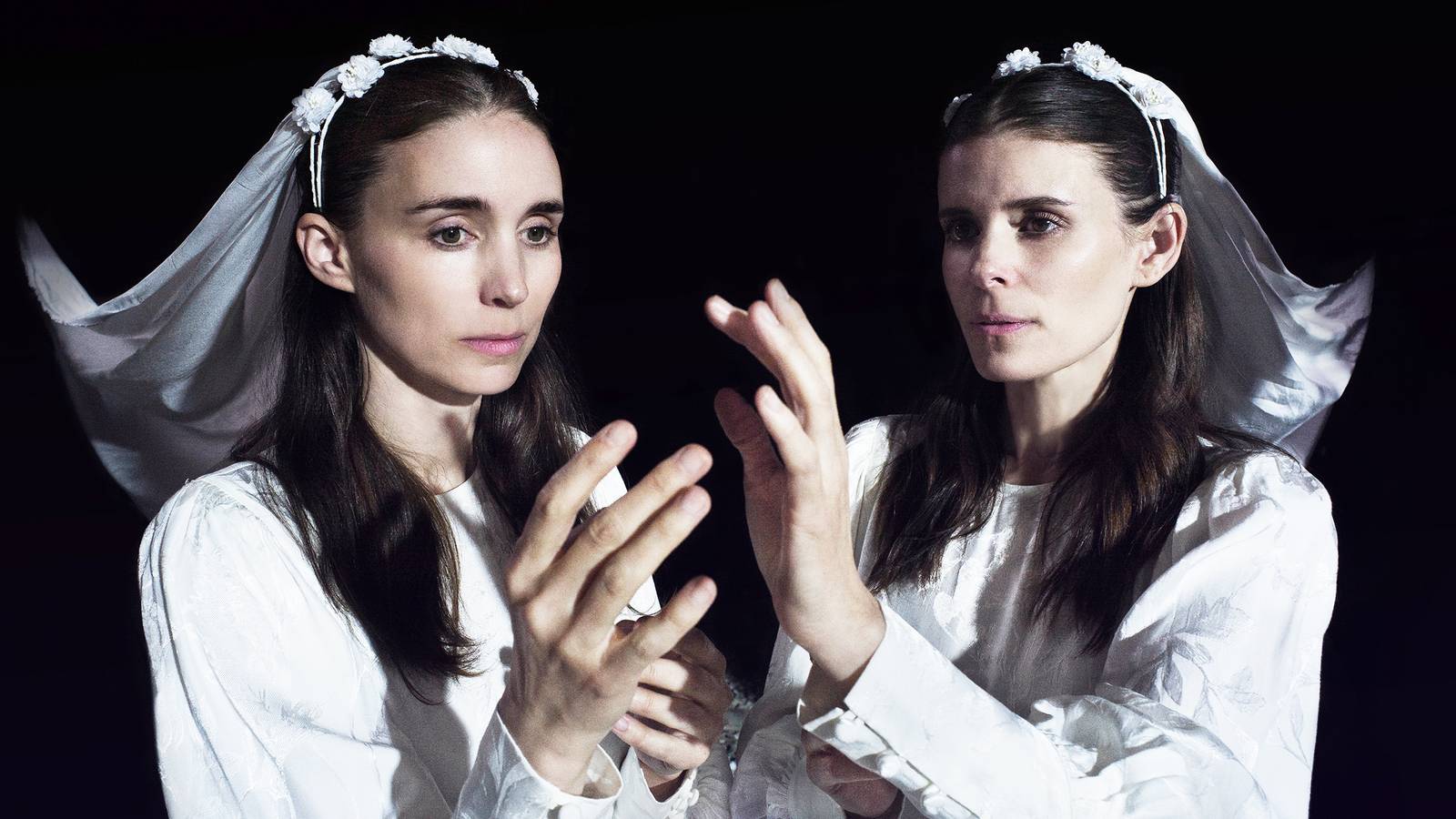
After a seven-year detour into documentaries, Werner Herzog returns to fiction with Bucking Fastard, a film that reunites real-life sisters Rooney and Kate Mara as on-screen siblings with a bond so intense it borders on the supernatural. Inspired by the true story of Freda and Greta Chaplin, the movie follows Jean (Kate) and Joan (Rooney) Holbrooke, two women who finish each other's sentences, dress identically, and share everything—including a lover. When that lover, Gareth Mulroney (Orlando Bloom), decides to marry someone else, the sisters' possessive fury lands them in court and, eventually, digging a tunnel in an Irish cave. It's a premise ripe for Herzog's signature eccentricity, but the execution is as erratic as the plot suggests.
A Promising Start: Quirky Charm and Unforgettable Chemistry
The first half of Bucking Fastard is a delightfully weird ride. The Holbrooke sisters are less like twins and more like two halves of a single consciousness, a dynamic that the Maras sell with uncanny precision. Their synchronized speech and mirrored movements are both amusing and unsettling, and it's easy to see why the film's early scenes—set in a courtroom where Gareth seeks a restraining order—buzz with energy. Herzog populates this world with caricatures, from leering creeps to baffled onlookers, and the sisters' naive navigation of it all is oddly endearing. The film's dedication to David Lynch hints at the surreal tone Herzog is aiming for, and for a while, it works.

Midway Collapse: Too Many Ideas, Not Enough Focus
But Bucking Fastard stumbles when it tries to ground its fantastical premise in reality. Enter Timothy (Domhnall Gleeson), a social worker assigned to help the sisters achieve independence. His presence forces a psychological explanation for their codependency—loneliness, fear of abandonment—that deflates the whimsy. The film's second half becomes a scattershot of half-formed concepts, veering between absurdity and sober drama without committing to either. Herzog's nature-documentary eye captures Ireland's rugged beauty, but the narrative loses momentum, and the tonal whiplash is jarring. What began as a quirky folktale devolves into a muddled mess.
The Maras and Bloom: Saving Grace in a Shaky Script
Despite the script's flaws, the Maras are a revelation. Rooney brings a touch more vulnerability to Joan, while Kate grounds Jean with a steely resolve, yet together they create a seamless, magnetic duo. Their ability to speak in unison with the same staccato rhythm is genuinely impressive, and they deserve credit for making such an outlandish relationship feel believable. Bloom, meanwhile, is a scene-stealer as the smarmy Gareth, reveling in his character's unlikability with a charm that makes him both repellent and entertaining. It's a shame the film doesn't give him more to do, as his presence injects much-needed humor into the later stretches.
A Comeback That Misses the Mark
Herzog's return to narrative filmmaking is ambitious, but Bucking Fastard ultimately can't sustain its own weirdness. The film's best moments are those that lean fully into the absurd, but Herzog's insistence on explaining the sisters' bond undermines the magic. It's a frustrating watch, especially given the talent involved. For fans of the Maras or Herzog's more outlandish work, it's worth a look, but it's far from the triumphant comeback one might hope for. If you're in the mood for a more cohesive oddity, check out The Mighty Boosh or VisionQuest's bizarre father-son bond for a better fix.
In the end, Bucking Fastard is a testament to the Maras' talent and Herzog's unyielding vision, but it's a film that can't decide what it wants to be. It's a shame, because the pieces are all there for something truly memorable. As it stands, it's a curious footnote in Herzog's career—one that will likely be remembered more for its casting than its execution.