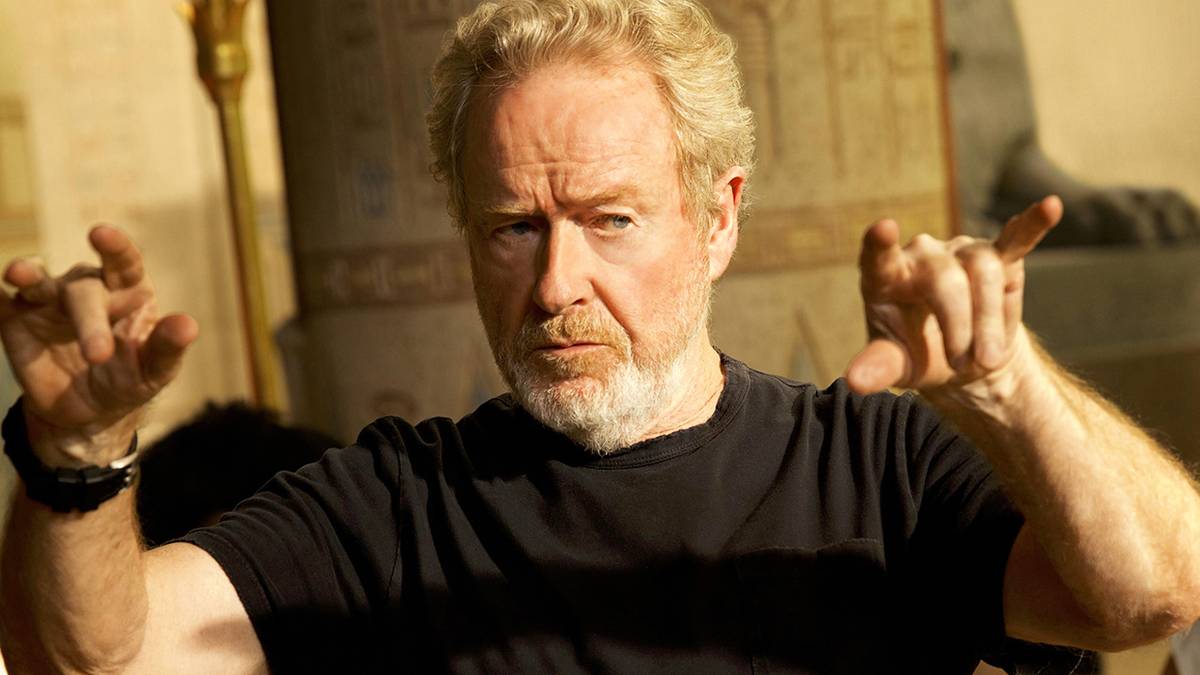
In a revealing moment that showcases a director's pride in his own legacy, Ridley Scott has named his 1982 sci-fi landmark Blade Runner as one of his four favorite films of all time. The admission came during a recent red carpet appearance, where the legendary filmmaker shared his personal picks, placing his own genre-defining work alongside other cinematic greats.
The Director's Definitive Vision
Scott's relationship with Blade Runner is famously complex, marked by multiple versions of the film. While the theatrical release initially struggled to find its audience, the director's various cuts—particularly the 2007 Final Cut—have cemented the film's status as a masterpiece. In a recent interview, Scott confirmed that the Final Cut represents his true vision, though he maintains appreciation for all variations of the film.
The journey from the original 1982 release to the definitive version spans 25 years and includes five distinct cuts. The theatrical version featured Harrison Ford's now-infamous narration, which Scott defended as an homage to pulp detective novels and influenced by the narrative style of Apocalypse Now. However, it was the studio-mandated happier ending that most conflicted with Scott's darker, more ambiguous vision—a vision fully realized in later versions.
A Personal Connection to Grief
What makes Scott's selection particularly meaningful is the deeply personal context behind the film's creation. The director made Blade Runner immediately following the death of his brother Frank, who had become estranged after serving in the Royal Navy before succumbing to cancer. Scott has described the film as his "most complete and personal" work, using it as an outlet for grief and creating what ultimately became a profound meditation on mortality and existence.
This emotional backdrop adds layers of meaning to the film's most iconic moments, particularly Rutger Hauer's unforgettable "Tears in the Rain" monologue. The pervasive themes of loss, memory, and what it means to be human resonate with new intensity when viewed through the lens of Scott's personal tragedy.
Legacy of Multiple Cuts
Blade Runner's evolution through various edits established Scott's reputation as the "king of the director's cut." This practice of revisiting and refining his films became a hallmark of his career, with extended versions of Kingdom of Heaven, Prometheus, and most recently Napoleon following in Blade Runner's footsteps. The film's journey from box office disappointment to revered classic demonstrates how a director's persistence can ultimately shape a film's legacy.
Today, the Final Cut stands as the definitive version, celebrated for its visual brilliance and thematic depth. The film's depiction of a rain-soaked, technologically saturated Los Angeles has proven remarkably prescient, its aesthetic influence visible across decades of science fiction cinema. For those seeking similar genre-defining experiences, our exploration of sci-fi masterpieces that challenge Blade Runner's throne offers compelling alternatives.
Why Directors Rarely Choose Their Own Work
Scott's selection breaks with conventional wisdom in the film industry, where directors typically highlight influences and peers rather than their own creations. His willingness to include Blade Runner among his favorites speaks to the film's unique significance in his career and personal life. The director, known for his candidness with the press, has never been shy about praising the film's revolutionary impact on the sci-fi genre.
The film's enduring appeal lies in its rich atmosphere, philosophical questions, and stunning visual design—elements that have only grown more relevant as technology becomes increasingly integrated into our daily lives. For fans of cinematic tension and mood, our ranking of 1980s thriller masterpieces captures a similar era of groundbreaking filmmaking.
Four decades after its initial release, Blade Runner continues to inspire wonder and somber reflection, both for audiences and for the director who brought its rain-drenched world to life. Scott's acknowledgment of the film as a personal favorite serves as a powerful testament to art's capacity to transform personal grief into universal storytelling—a legacy as enduring as the film's iconic imagery.