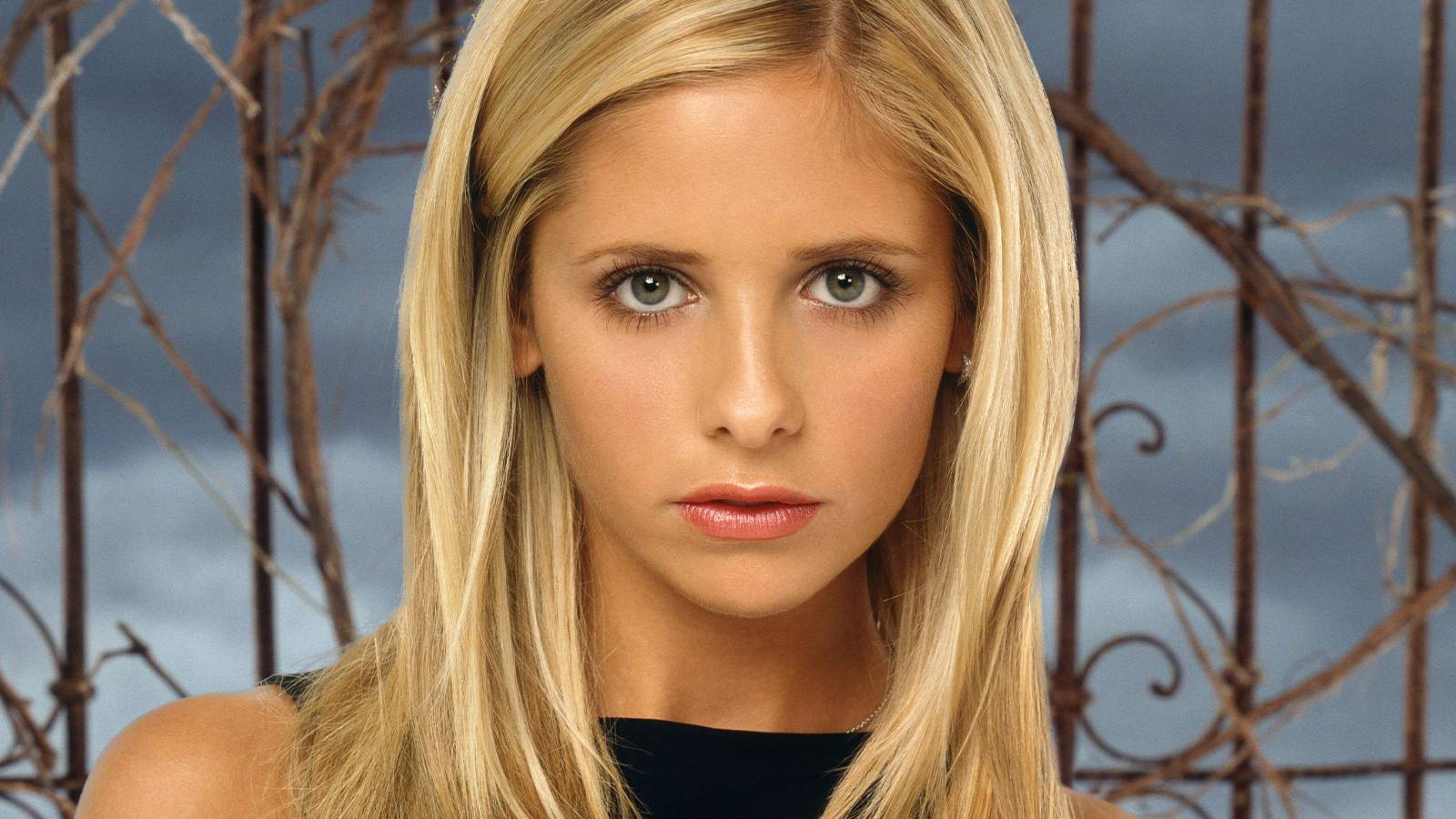
Few shows have left a mark on pop culture like Buffy the Vampire Slayer. Premiering on The WB in March 1997, the series introduced Sarah Michelle Gellar as the Slayer destined to battle evil while navigating the hellscape of high school. The two-part pilot, "Welcome to the Hellmouth" and "The Harvest," established the supernatural rules of Sunnydale and its resident Hellmouth. While the show's influence is undeniable, a modern rewatch of that very first episode uncovers some surprisingly rough edges that time has not smoothed over.
The Growing Pains Are Real
One of the most immediate observations is that the cast hadn't yet fully inhabited their now-iconic roles. Sarah Michelle Gellar's Buffy possesses charm, but the performance occasionally feels like a sketch of the complex heroine she would become. Similarly, the chemistry between Alyson Hannigan's Willow, Nicholas Brendon's Xander, and Anthony Stewart Head's Giles feels more like a promising outline than the deeply lived-in dynamic that would define the series. The characters lean heavily on archetypes—the shy computer geek, the sarcastic sidekick, the stuffy mentor—that the show would later brilliantly deconstruct.

A Time Capsule of '90s Tropes
The episode is drenched in 1997, and not always in a nostalgic way. The fashion, slang, and attitudes are pure period pieces. More problematic for contemporary viewers are narrative tropes that feel overly simplistic today. Cordelia's (Charisma Carpenter) mean-girl bullying of Willow plays as a flat stereotype, and some of the high school social dynamics lack the nuance the series would later master. For a show that famously subverted expectations, its opening chapter relies on some surprisingly conventional setups.
Budgetary Constraints on Display
The visual effects, even by late-'90s broadcast TV standards, were modest. The vampire prosthetics and stunts in the pilot have a distinctly low-budget, cheesy quality that the series would improve upon as it gained popularity. While fans often forgive dated effects for the sake of story, the technical limitations are impossible to ignore and can momentarily puncture the atmosphere for viewers accustomed to modern production values.
The Writing's Early Draft Feel
Compared to the sophisticated, emotionally layered storytelling of later seasons, the pilot's script feels more two-dimensional. The iconic cold open—where a seemingly innocent girl reveals herself as a vampire—felt revolutionary in 1997 but has since been homaged and replicated countless times, lessening its impact. The dialogue, while witty, often serves to establish plot and character in broad strokes rather than the subtle, naturalistic banter the show perfected. It's a solid blueprint, but it lacks the flawless execution of the series' peak.
This isn't to dismiss the pilot's achievements. It successfully established a compelling mythology and the brilliant "high school is hell" metaphor. It introduced a world where the personal and the apocalyptic constantly collided. Yet, much like finding an old, beloved mixtape, the experience is now a mix of genuine affection and cringe at the dated choices. It's a fascinating starting point that highlights just how far the series evolved.
For fans of supernatural drama looking for more polished scares, our ranking of cinema's most heart-pounding vampire films offers plenty of flawless alternatives. Similarly, those interested in overlooked genre gems might enjoy our list of flawless horror films lost to time.
Ultimately, rewatching "Welcome to the Hellmouth" is an exercise in context. It's the imperfect genesis of a television revolution, a reminder that even the most legendary shows have humble, awkward beginnings. The flaws are clear, but so is the undeniable spark of something special—a spark that would soon ignite into a cultural phenomenon.