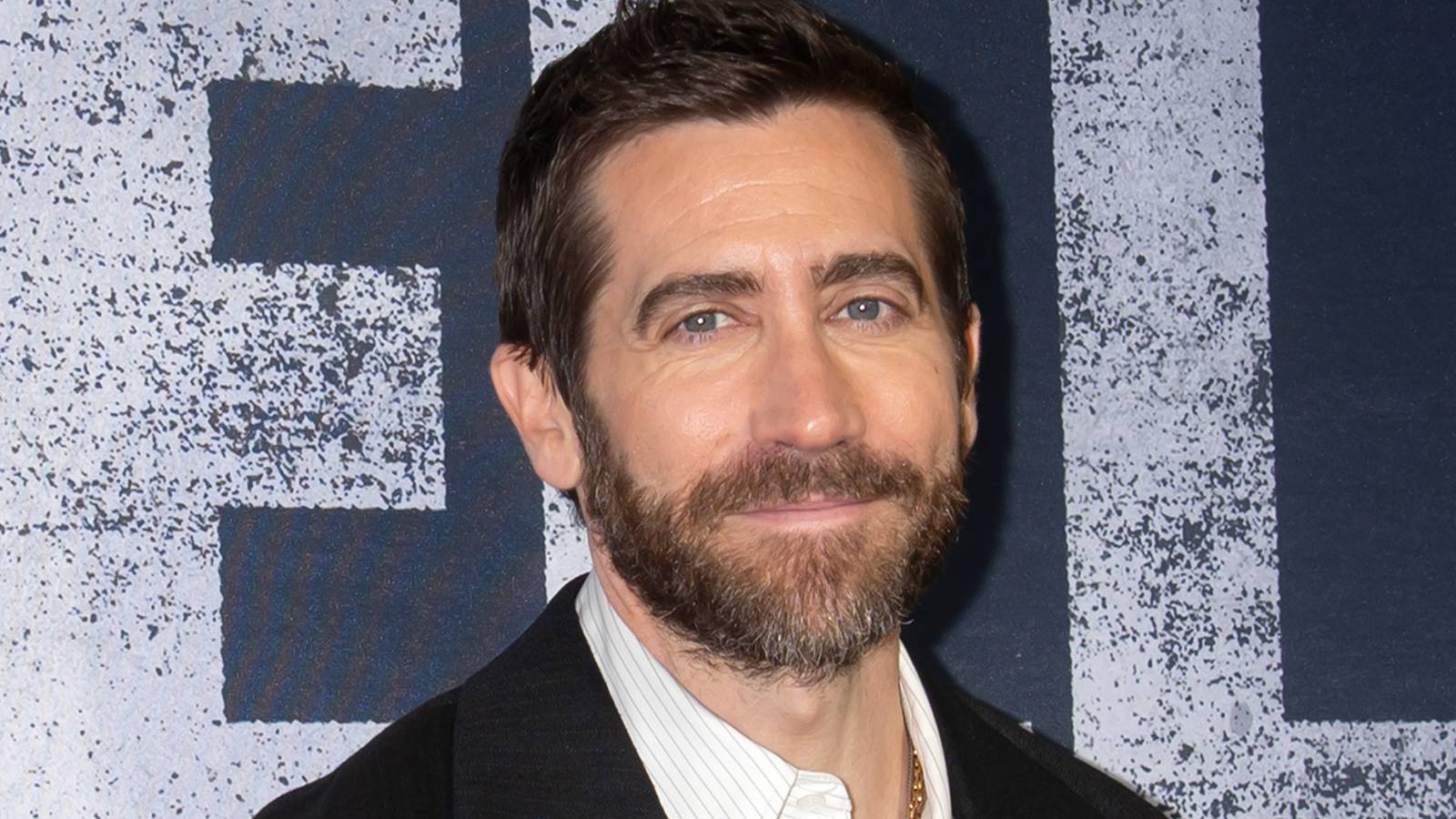
The race to crown the next James Bond is officially underway. Amazon MGM has enlisted casting director Nina Gold, and final screen tests are happening in London, with names like Jack Lowden, Callum Turner, Josh O'Connor, and a mystery contender in the mix. Denis Villeneuve is reportedly set to direct, with Steven Knight penning the script, and a decision could land by year's end. While we wait, fans are naturally revisiting the classics—and few Bond eras spark as much debate as Pierce Brosnan's.
Brosnan's tenure, spanning 1995 to 2002, came during a seismic shift in Hollywood, when blockbusters grew louder and more reliant on digital effects. His four films showcase the widest quality gap in the franchise's history, from the gritty practicality of GoldenEye to the CGI-heavy excess of Die Another Day. Each entry follows a familiar formula—villain, Bond girl, and a signature action set piece—but the execution varies wildly.
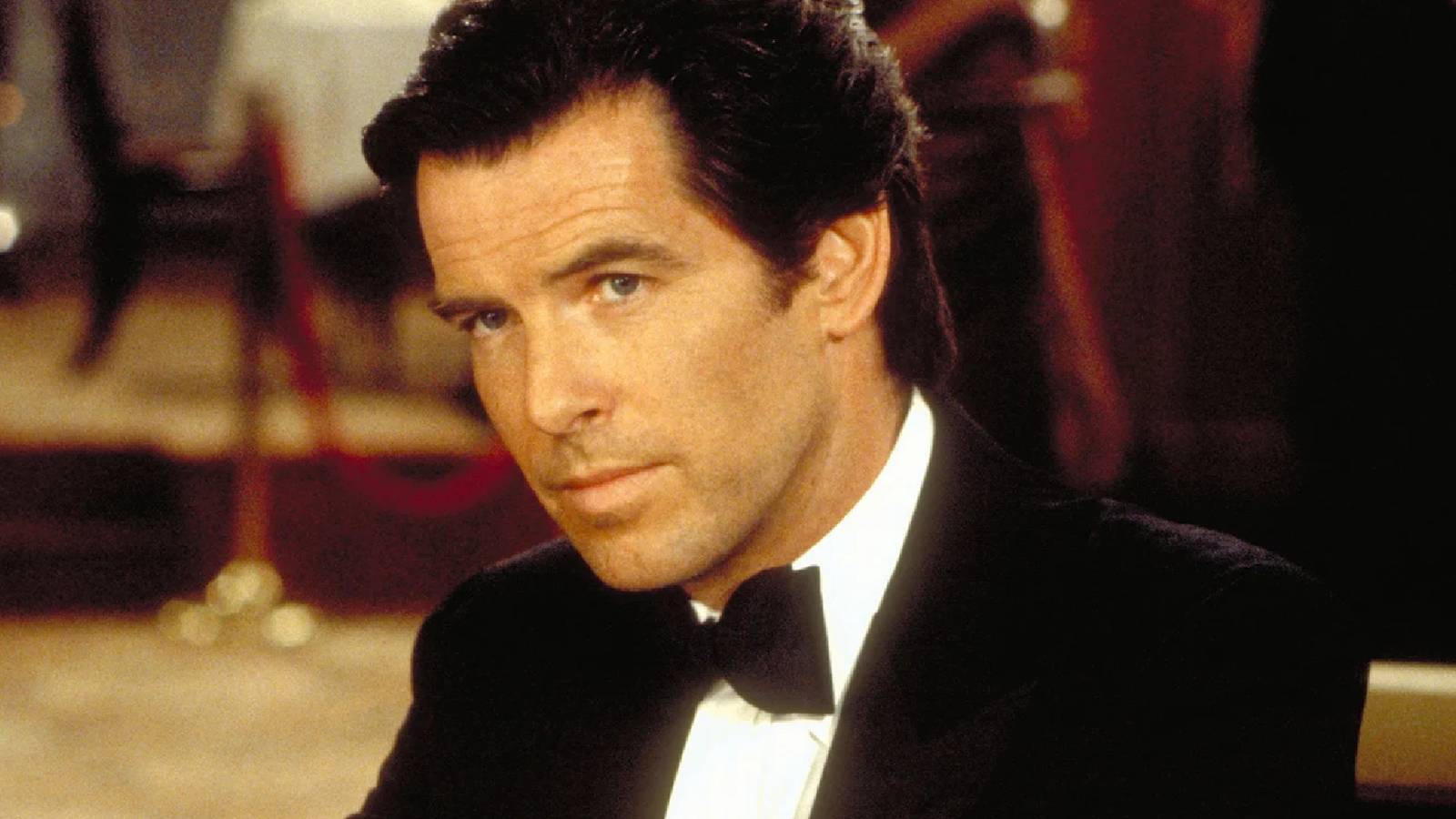
Brosnan was originally cast in the mid-'80s, but a contractual obligation to Remington Steele scuppered that, paving the way for Timothy Dalton. After a six-year legal hiatus following License to Kill, Brosnan finally slipped into the tuxedo in 1995, tasked with reviving a franchise that had lost its mojo. Over seven years and four directors, his Bond went from triumphant comeback to punchline, and a full rewatch marathon clocks in at about eight and a half hours—perfect for a rainy Sunday.
4. Die Another Day (2002)
Lee Tamahori's 40th-anniversary entry is a bloated homage to Bond's past, cramming in so many callbacks it feels like a greatest-hits reel. After 14 months in a North Korean prison, a disheveled Bond is disavowed by MI6, leading to a hovercraft chase and a Havana detour with Halle Berry's Jinx. But the invisible Aston Martin and the infamous CGI wave-surfing sequence have become shorthand for everything that went wrong—and they deserve every joke they get.
Toby Stephens hams it up as Gustav Graves, a diamond tycoon who practically auditions for the role of Bond villain. Berry, fresh off her Oscar win for Monster's Ball, is underserved by a script that gives her little to do as an NSA agent. The standout scene is a fencing duel between Brosnan and Stephens, while Rosamund Pike's icy MI6 operative adds a touch of class. Despite raking in cash, the film was seen as a creative failure, its trend-chasing excess paving the way for Daniel Craig's grounded reboot in Casino Royale.
3. The World Is Not Enough (1999)
Michael Apted's entry opens with a thrilling speedboat chase down the Thames, ending at the Millennium Dome—one of the era's best pre-title sequences. Sophie Marceau's Elektra King is a rare Bond villainess with genuine depth, an oil heiress whose kidnapping as a girl shapes her complex motives. Robert Carlyle's Renard, a terrorist with a bullet lodged in his brain that numbs pain, adds menace, while Brosnan plays much of the film with a shoulder injury, lending a welcome vulnerability to the usually untouchable spy. Judi Dench's M gets more to do, which is always a win.
But the supporting cast lets it down. Denise Richards as nuclear physicist Christmas Jones became an instant punchline, and the plot—involving a pipeline, plutonium theft, and a submarine—gets tangled in double-crosses. Desmond Llewelyn's final turn as Q gives the film a bittersweet farewell, with John Cleese stepping in as his assistant. Garbage's theme song is a banger, but the movie never quite matches its energy.
2. Tomorrow Never Dies (1997)
Released months after the real handover of Hong Kong, Tomorrow Never Dies tapped into contemporary geopolitics with a story about a media mogul engineering crises for ratings. Jonathan Pryce's Elliot Carver is a delightfully unhinged villain, all petulant shouting, while Teri Hatcher's Paris Carver, a former Bond flame, deserved far more screen time. Roger Spottiswoode directs with a brisk, humorous touch.
Michelle Yeoh is the undisputed highlight, bringing her Hong Kong action pedigree to the role of Wai Lin. Her handcuffed motorcycle chase through Saigon with Bond is the most inventive action set piece of Brosnan's run, and the remote-controlled BMW scene in a parking garage is pure fun. This is Brosnan at his most comfortable, blending charm and wit, which is why it lands at number two.
1. GoldenEye (1995)
Brosnan's debut remains the gold standard of his era. Directed by Martin Campbell, GoldenEye revitalized the franchise with a post-Cold War story that felt fresh and grounded. Famously, it was the first Bond film to feature a female M, with Judi Dench's sharp-tongued boss stealing every scene. The film's practical stunts—like the iconic bungee jump off a dam and the tank chase through St. Petersburg—still hold up today.
Sean Bean's Alec Trevelyan, a former 00 agent turned villain, provides a personal, compelling antagonist, while Famke Janssen's Xenia Onatopp is memorably lethal. The chemistry between Brosnan and Izabella Scorupco's Natalya is solid, and the script balances action, humor, and heart. GoldenEye proved Bond could evolve with the times, setting the stage for the franchise's next chapter. It's not just the best Brosnan film—it's one of the best Bond films, period.
As the search for the next 007 continues, these four films remain a fascinating snapshot of a transitional era. Whether you're a fan of Brosnan's suave charm or prefer the grit of Craig, there's no denying the impact of his tenure. And if you're in the mood for more rankings, check out our takes on the best thriller novels or HBO's top book adaptations.