Akira Kurosawa is a titan of cinema, celebrated for masterpieces like Rashomon, Yojimbo, and High and Low. But beyond those iconic works, he also crafted seven full-fledged epics—grand, sprawling tales that pushed the boundaries of scale and ambition. While some are among his greatest achievements, others are fascinating experiments that don't quite hit the mark. Here's our ranking of Kurosawa's epic films, from the flawed to the flawless.
7. The Idiot (1951)
Based on Fyodor Dostoevsky's novel, The Idiot was originally a four-and-a-half-hour epic, but the studio forced Kurosawa to cut it down to 166 minutes, and the longer version was lost. What remains is a compelling but incomplete drama, with a runtime that still feels epic. It's a fascinating glimpse of what could have been, but as it stands, it's the weakest of his epics—through no fault of Kurosawa's own.
6. Dersu Uzala (1975)
After a prolific 1960s, Kurosawa's output slowed, but his ambition didn't. Dersu Uzala, a Soviet-Japanese co-production, is a unique entry in his filmography—a survival story set in the Russian wilderness, following a soldier and his guide. It's a beautiful and contemplative film, though it lacks the narrative drive of his best work. Still, even a lesser Kurosawa epic is worth watching.
5. Red Beard (1965)
Set in the 19th century, Red Beard is a three-hour character study about a seasoned doctor mentoring a young trainee. It's not action-packed, but it's deeply human and features a powerful performance from Toshirō Mifune, in his final collaboration with Kurosawa. The film's intimate scale might not scream "epic," but its emotional depth and runtime earn it a place here.
4. Kagemusha (1980)
Kurosawa's return to the epic genre after a hiatus, Kagemusha tells the story of a warlord's double who must impersonate him after his death. The film is visually stunning, with dreamlike sequences and a haunting exploration of identity and power. While it's not perfectly paced, it's a bold and ambitious work that paved the way for his later masterpiece.
3. The Hidden Fortress (1958)
Often cited as a major influence on Star Wars, The Hidden Fortress is a rollicking adventure about two peasants escorting a general and a princess through enemy territory. It's a thrilling, action-packed ride that's more accessible than some of Kurosawa's other epics, and it's a testament to his ability to blend spectacle with character.
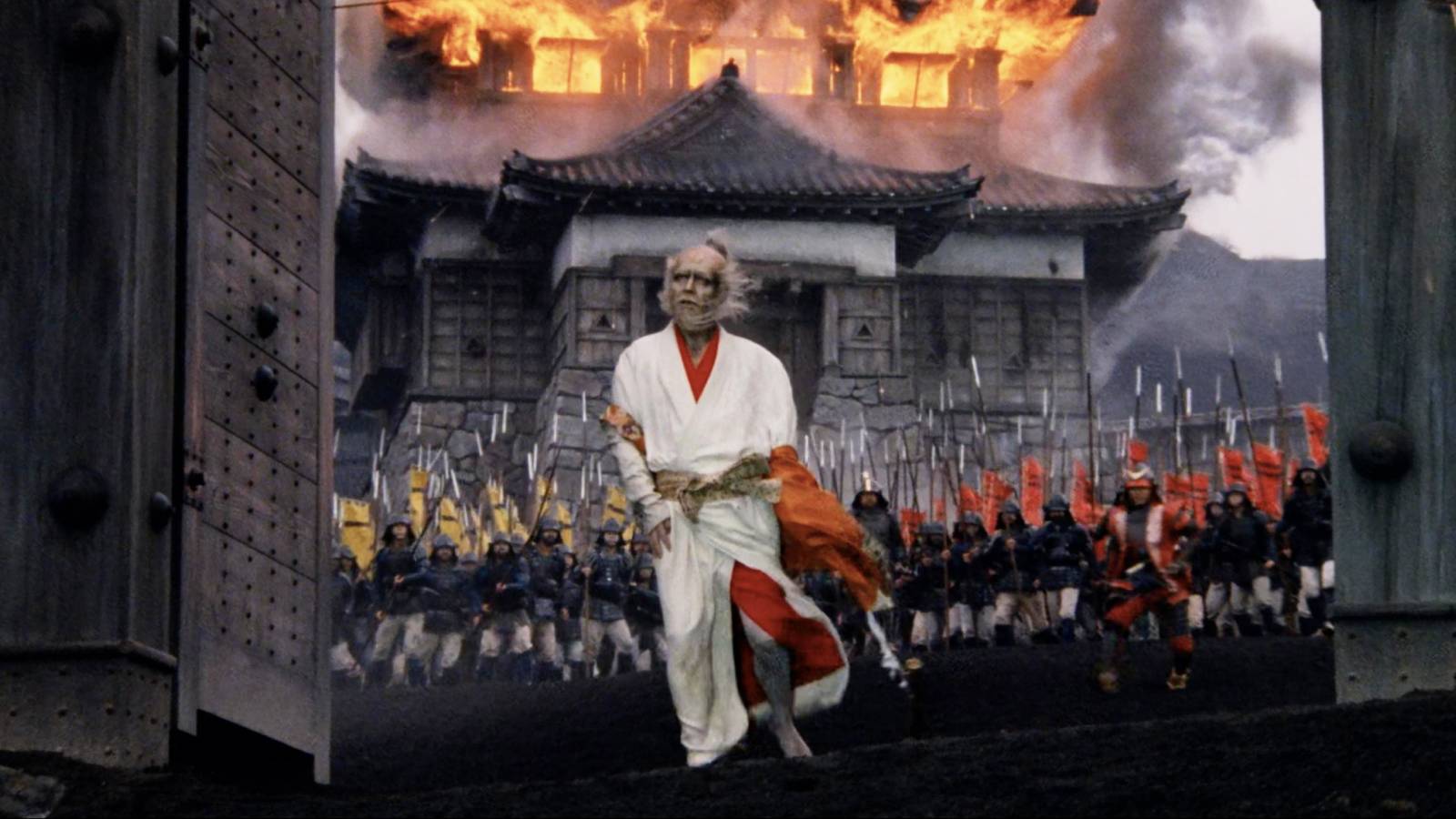
2. Ran (1985)
Kurosawa's late-career triumph, Ran is a sweeping adaptation of King Lear, set in feudal Japan. It's a visually breathtaking film, with stunning battle sequences and a profound meditation on power, betrayal, and mortality. It's often considered one of the greatest films ever made, and it's a fitting capstone to Kurosawa's epic filmography.
1. Seven Samurai (1954)
At the top of the list is Seven Samurai, the film that defined the epic genre. It's a three-and-a-half-hour masterpiece about a village hiring seven ronin to defend against bandits. The film is a perfect blend of action, drama, and social commentary, and it has influenced countless filmmakers. It's not just Kurosawa's best epic—it's one of the greatest films of all time.
Kurosawa's epics are a testament to his genius, each one pushing the boundaries of what cinema could achieve. Whether you're a longtime fan or a newcomer, these films are essential viewing. For more on the master's influence, check out our ranking of Spielberg's recent work, or explore the best B-movies for a different kind of cinematic thrill.