Dark comedy is a delicate balancing act. It's not enough to simply be cruel or to make an audience squirm. The truly great ones—especially those that emerged from the 90s, when audiences had thicker skins—must do more. They need to understand exactly why we're laughing, make us feel a little guilty about it, and then leave us questioning our own reactions. The films on this list are masters of that craft, each finding a unique way to turn disaster into dark, delicious humor.
High School as a Battlefield
In Heathers (1988), high school popularity is a blood sport. Westerburg High's social order is controlled by the titular Heathers, with Veronica Sawyer (Winona Ryder) as their reluctant enforcer. When the charismatic and unhinged J.D. (Christian Slater) enters her life, he offers a twisted solution to teenage angst: murder. Daniel Waters' screenplay is a vicious takedown of the saccharine teen movies of the 80s, where every death is quickly absorbed into the school's performative culture. A bully becomes a martyr, two jocks become symbols of tolerance, and adults use tragedy to showcase their own compassion while learning nothing. Veronica's horror grows as she realizes J.D. sees everyone as disposable. Ryder's youth at the time makes Veronica's entrapment in this world feel authentic—she's not a detached adult judging from above, but a participant. Her final act of rebellion—rejecting the social game and reaching out to an outcast—is more radical than any act of violence.

Dinner is Served... and So is Revenge
Fast forward to 2022, and The Menu serves up a darkly comedic thriller about a couple visiting an exclusive island restaurant. Chef Julian Slowik (Ralph Fiennes) has invited a select group of wealthy regulars, critics, and one obsessive fan to a dinner that will become their last. Margot (Anya Taylor-Joy), the uninvited guest, is the only one who senses the danger before it's too late. Directed by Mark Mylod (Succession) from a script by Seth Reiss and Will Tracy, the film's targets extend far beyond fine dining. Slowik despises the customers who reduced his craft to status, but he's also built a kitchen where employees are as oppressed as the guests. It's a brilliant, ironic, and surprisingly educational film about the corrosive nature of power and the emptiness of performative consumption.
Reimagining the Coming-of-Age Story
Yorgos Lanthimos, a master of the unsettling, returns with Poor Things (2023), a film that redefines the coming-of-age story. Bella Baxter (Emma Stone) starts life in an adult body with an infant's mind, created by the eccentric Godwin Baxter (Willem Dafoe). When the rakish Duncan Wedderburn (Mark Ruffalo) offers her adventure, sex, and escape, he assumes her innocence will make her easy to control. But Bella's education is a rapid-fire journey that leaves every man in her wake struggling to keep up. Her sexual liberation provides some of the film's funniest moments, especially when Duncan realizes he can't shame someone who has never accepted his rules. But Bella's journey is about more than pleasure; it's about ownership. She experiences poverty, labor, and the limits of freedom without money or power. Emma Stone's performance, which earned her a second Oscar, is a triumph, but the film's real achievement is Bella's evolution from curiosity to judgment, as she builds a life on her own terms.
Love in a Dystopian World
Lanthimos also co-wrote The Lobster (2015), a film that takes the pressure to couple up to a terrifyingly absurd extreme. In a dystopian society, single people are given 45 days to find a mate or be transformed into an animal. David (Colin Farrell) chooses a lobster, citing their longevity and fertility. The film treats coupledom as social enforcement, where guests invent arbitrary compatibility traits—like shared nosebleeds—to avoid a grim fate. The rebel Loners offer a different kind of tyranny, punishing any sign of romance. When David falls for the Short-Sighted Woman (Rachel Weisz), their private language becomes a genuine connection. But when she is blinded, he faces the system's cruelest logic: he may have to blind himself to preserve their bond. The film leaves him in a bathroom, holding a knife to his eye, a perfect metaphor for the impossible choices love can force upon us.
The Ultimate Yuppie Nightmare
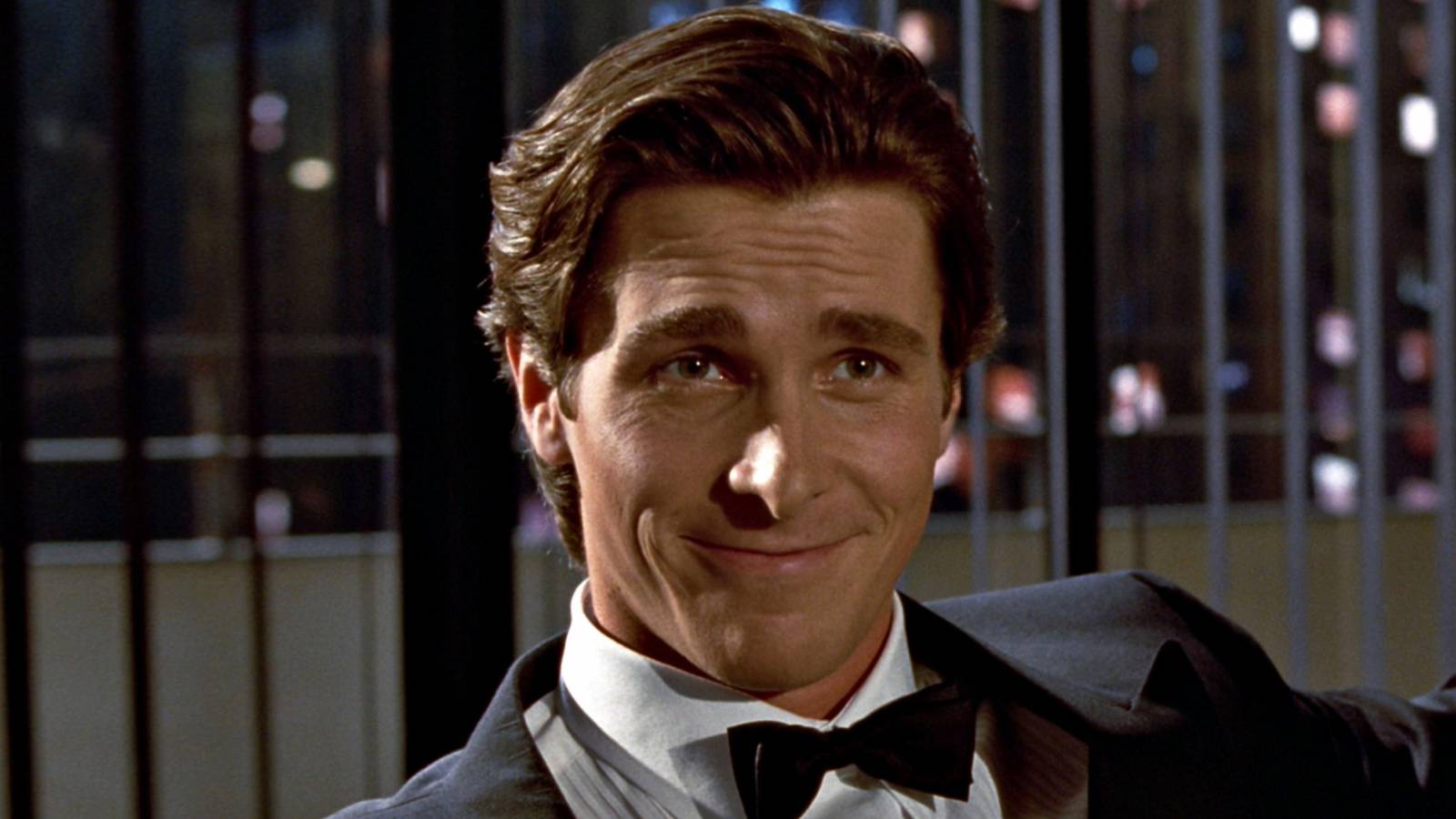
And then there's American Psycho (2000), a film that blurs the line between dark comedy and psychological horror. Patrick Bateman (Christian Bale) is a Wall Street yuppie with a meticulous routine—hundreds of crunches, expensive skincare, and a monologue about the idea of Patrick Bateman. His obsession with status and surface-level perfection masks a murderous rage. The film is a satire of 80s consumerism, where Bateman's violence is as much about maintaining his image as it is about satisfying his urges. Bale's performance is chillingly funny, as he navigates a world where no one can tell the difference between a serial killer and a finance bro. It's a film that makes you laugh and then feel dirty for doing so, a hallmark of the genre at its best.
These films, from the high school halls of Heathers to the culinary hell of The Menu, prove that the best dark comedies are more than just shock value. They hold a mirror to society, forcing us to laugh at our own absurdities and then question why we're laughing. They are masterpieces of discomfort, and they continue to influence filmmakers today. For more on the genre's evolution, check out our list of the worst R-rated comedies of the 90s to see what not to do, or explore movies that were ahead of their time. And if you're a fan of Lanthimos, you might also enjoy Gregg Araki's stoner comedy gem for a different kind of dark humor.