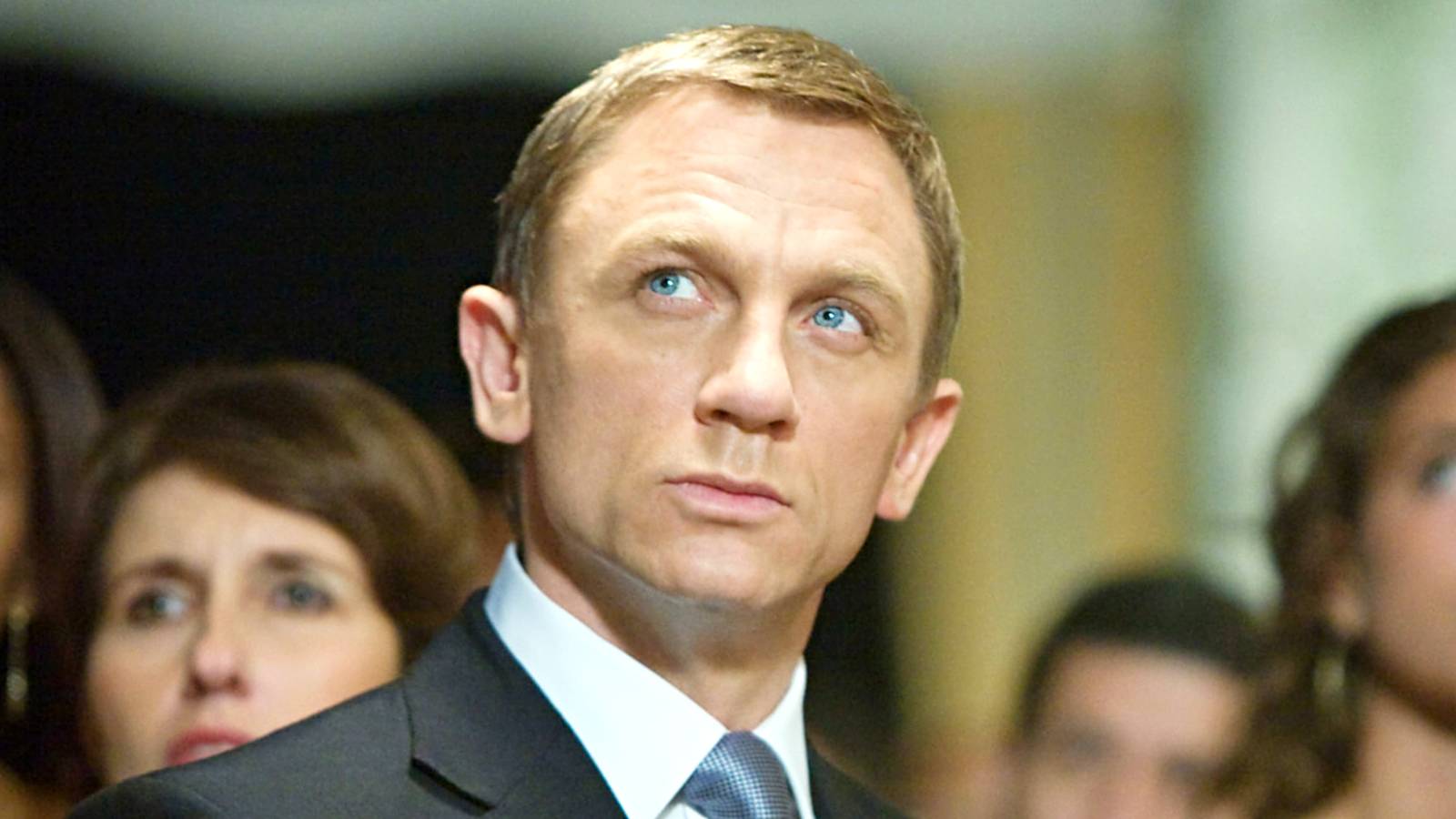
When Daniel Craig stepped into the tuxedo for Casino Royale, he rebooted James Bond for a new generation—gritty, wounded, and utterly compelling. But its sequel, Quantum of Solace, has always been the black sheep of Craig's tenure. Critics slammed its shaky action and breakneck pacing, and fans debated whether it squandered the promise of its predecessor. Yet as the film prepares to leave Paramount+ on November 19, 2026, it's worth revisiting—because Quantum of Solace is far more thrilling and ambitious than its reputation suggests.
A Bold Pivot After Casino Royale
Following the elegant, methodical Casino Royale, director Marc Forster took Bond in a radically different direction. Quantum of Solace opens with a high-octane car chase through the Italian Alps, then barely lets up. Within the first 20 minutes, we get a midair fight, a brutal fistfight, and a sense of urgency that feels more Jason Bourne than James Bond. This is a leaner, meaner 007—one who's still reeling from the betrayal and death of Vesper Lynd (Eva Green).
The film's breakneck pace was a deliberate choice, but it divided audiences. Some found it exhilarating; others found it dizzying. Yet beneath the chaos lies a surprisingly tight narrative about Bond's quest for vengeance against the shadowy organization Quantum, which manipulated Vesper and continues to pull strings globally. It's a direct continuation of Casino Royale's unresolved threads, making it essential viewing for anyone invested in Craig's arc.
Why Quantum of Solace Stands Apart
Unlike the more leisurely Bond adventures of old, Quantum of Solace is all business. There's little time for martinis or witty banter; instead, Bond barrels through Haiti, Austria, and Bolivia, dismantling Quantum's schemes with ruthless efficiency. The film's tone is closer to the Cold War paranoia of From Russia With Love than the campy excess of the Brosnan era—a deliberate course correction that kept the franchise relevant in the post-Bourne action landscape.
It's also a visually striking film, with Forster's background in art-house cinema evident in the stark desert landscapes and the opera-set climax. The action may be frenetic, but there's a thematic weight to Bond's journey that rewards repeat viewings. As he confronts the eco-terrorist Dominic Greene (Mathieu Amalric) and the enigmatic Camille (Olga Kurylenko), Bond is forced to confront his own demons—and the moral compromises of his profession.
A Flawed Gem Worth Rediscovering
To be sure, Quantum of Solace has its flaws. The plot is convoluted, the villain underwritten, and the editing can be headache-inducing. But it's also the shortest Bond film in decades, clocking in at just 106 minutes—a lean, propulsive thriller that never overstays its welcome. In an era of bloated blockbusters, that efficiency is refreshing.
Moreover, the film's serialized approach—rare for Bond at the time—set the stage for the emotional depth of Skyfall and the sprawling mythology of Spectre. While later films would retcon Quantum into SPECTRE, Quantum of Solace remains a fascinating snapshot of a franchise in transition. It's a Bond film that dares to be different, and that's exactly why it's worth a second look.
Don't Miss It on Paramount+
If you've never seen Quantum of Solace, or if you dismissed it years ago, now is the perfect time to give it another chance. It's leaving Paramount+ on November 19, 2026, so you have a limited window to experience this underrated entry in the Bond canon. For fans of political thrillers, it pairs well with other sharp streaming picks like Netflix's Bodyguard, which similarly blends espionage with personal stakes. And if you're in the mood for more high-stakes action, check out Prime Video's top action thriller for a different kind of adrenaline rush.
So before it vanishes from the streaming library, take a trip back to 2008 and see why Quantum of Solace is more than just a footnote in Bond history. It's a bold, flawed, and ultimately thrilling chapter that deserves its moment in the spotlight.