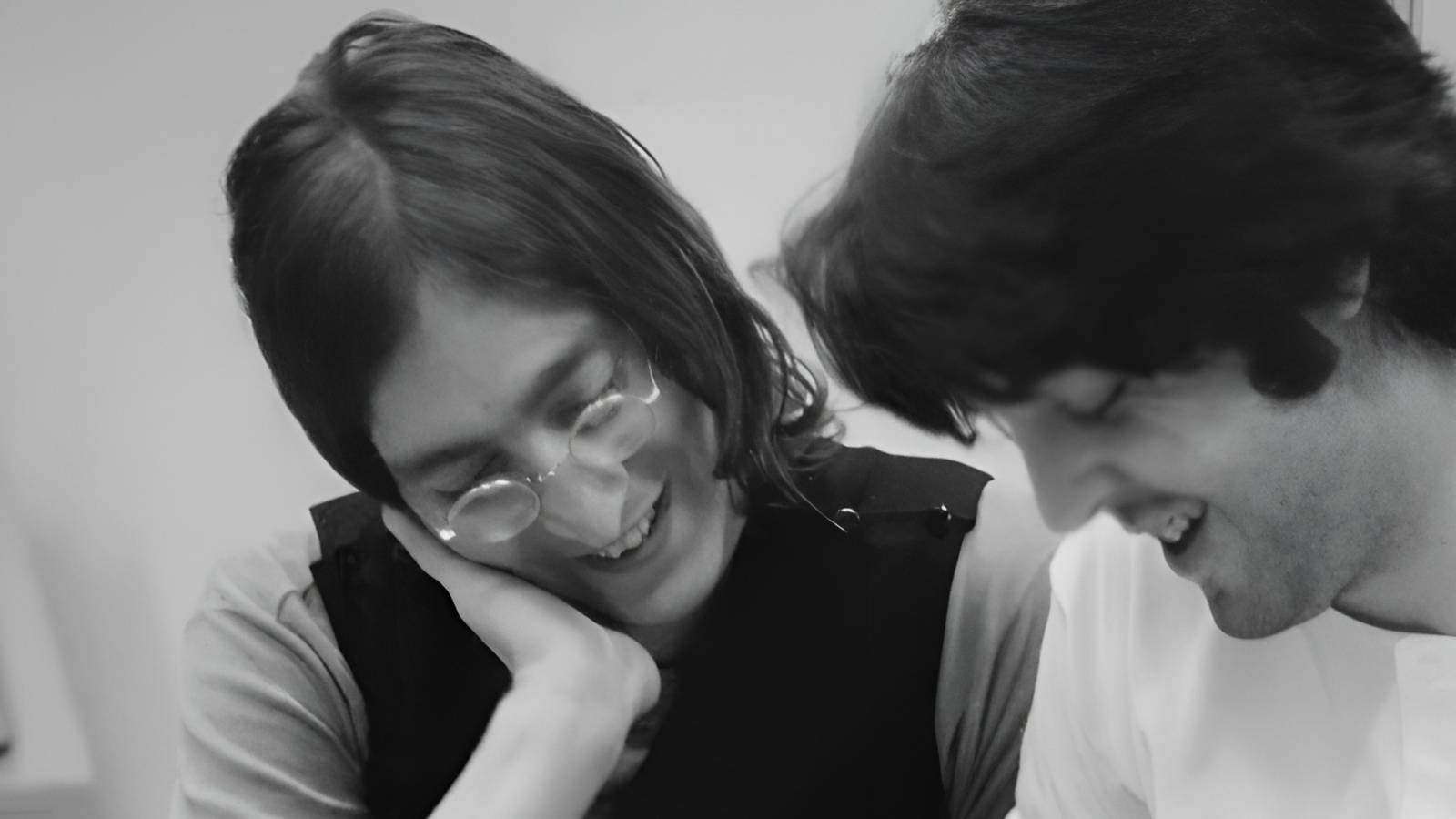
When John Lennon was tragically shot outside his New York City apartment in December 1980, the world mourned a legend. But for Paul McCartney, the loss was deeply personal—a painful reminder of a friendship that had weathered storms and ultimately found its way back. Though the Beatles had disbanded a decade earlier, and their public feud had been well-documented, few knew that McCartney and Lennon had quietly reconciled in the mid-1970s. Lennon's death hit McCartney like a freight train, and in his grief, he found solace in the one thing that had always connected them: music.
A Grief Too Heavy for Words
In the immediate aftermath of Lennon's murder, McCartney retreated to his studio, seeking refuge from the chaos outside. When reporters cornered him for a reaction, his terse response—"It's a drag, isn't it? Okay, cheers"—was widely misinterpreted as indifference. In reality, it was the raw, unfiltered response of a man in shock, struggling to process an unimaginable loss. The public's harsh judgment stung, but McCartney channeled his pain into something far more meaningful.
Writing a Love Song to John
Days later, alone in the attic of his Sussex home with an acoustic guitar, McCartney began to write what he would later describe as "a love song to John." In his book The Lyrics: 1956 to the Present, he recalls sifting through a lifetime of memories—from teenage hitchhiking adventures to the dizzying heights of Beatlemania. The result was "Here Today," a hauntingly beautiful track that serves as a final, imagined conversation with his lost friend.
The song's bridge captures the essence of McCartney's regret: "But as for me / I still remember how it was before / And I am holding back the tears no more / I love you." In his memoir, McCartney explains that in the 1950s and 60s, boys were taught to suppress their emotions behind a wall of cynicism. He never told Lennon he loved him, and that unspoken sentiment became the heart of the song—a confession he wished he'd made in person.
A Live Moment That Still Chokes Him Up
Released on McCartney's 1982 album Tug of War, "Here Today" has become a staple of his live performances. Each time he plays it, the grief returns, but so does a sense of connection. "It was very emotional, writing this song," McCartney has said. "I was just sitting there in that bare room, thinking of John, and realizing I'd lost him. And it was a powerful loss, so to have a conversation with him in a song was some form of solace. Somehow, I was with him again."
During concerts, the lights dim, and McCartney sits alone with his guitar, recreating the intimate moment of its creation. But instead of solitude, he's surrounded by thousands of fans, many of them in tears, sharing in the collective memory of a friendship that defined an era. It's a bittersweet tribute—a final conversation that's both heartbreaking and healing.
Lennon's influence on McCartney's music remains everlasting, a thread that runs through his solo work and live shows. For fans, "Here Today" is more than a song; it's a window into the soul of a man who lost his best friend and found a way to say goodbye. As McCartney continues to perform it, the world is reminded that some bonds transcend even the deepest rifts—and that love, once expressed, never truly fades.
For more on the enduring legacy of classic rock, check out our piece on upbeat tracks with heavy lyrics. And if you're a fan of emotional musical tributes, you might enjoy our list of crime dramas that nailed their finales.

