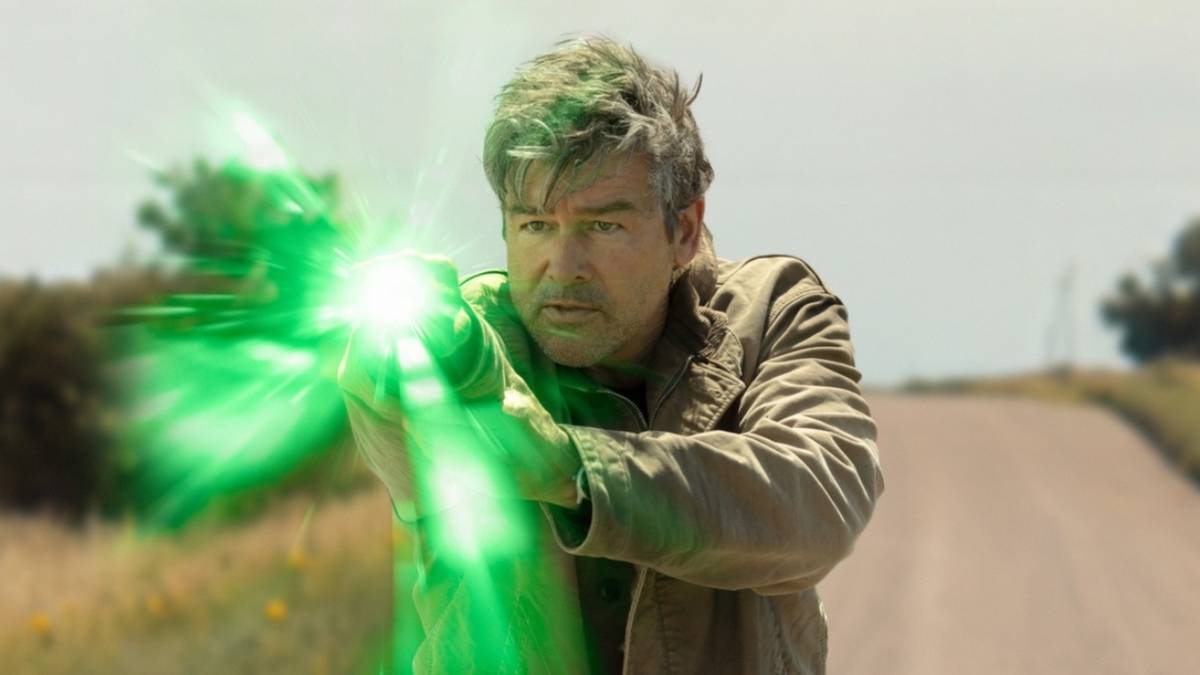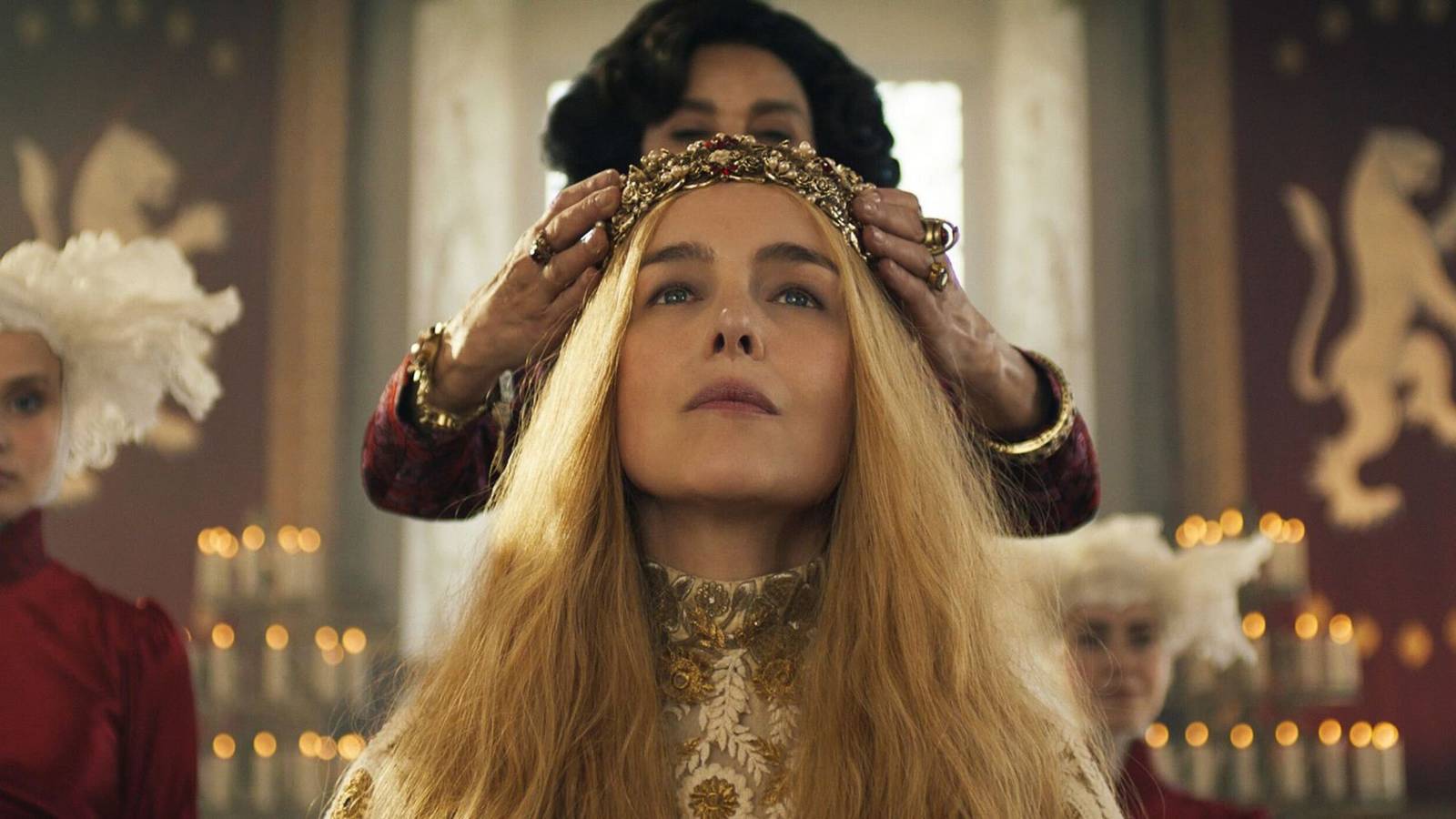
It's been over a year since Prime Video shocked fantasy fans by canceling The Wheel of Time after Season 3. The decision, reportedly driven by budget concerns, came just as the series had hit its stride—Season 3 earned a stellar 97% on Rotten Tomatoes. But while the live-action show is gone, the franchise is far from finished. In fact, a bold new direction might be exactly what Robert Jordan's sprawling saga needed all along.
In March, iwot Studios announced a partnership with Arcane producer Thomas Vu and Anthony Borquez's Initiate Entertainment to develop a slate of new projects: an animated television series, animated feature films, and a video game. This pivot from live-action to animation isn't just a change in format—it's a chance to fix the biggest problem that plagued the Prime Video series.

Why Animation Suits The Wheel of Time Better
The live-action series struggled to capture the sheer scale of Jordan's 14-book epic. Even with Prime Video's deep pockets, the show's visual effects, pacing, and world-building often felt constrained by budget and production realities. COVID-19 delays only made things worse for Season 1. Animation, by contrast, offers limitless possibilities. It can render the One Power's weaves, the sprawling cities of Randland, and the epic battles without the astronomical costs of live-action VFX. As Vu put it in a statement to Variety, the goal is to create "fully authentic, integrated, interactive, and animated storytelling experiences" that honor the depth of the mythology.
This isn't just about saving money—it's about creative freedom. Animated series and films can stick closer to the source material, adapting complex storylines and magic systems that live-action often has to simplify. For fans who felt the Prime Video show took too many liberties, this reboot could be a welcome return to form.
A Fresh Start for New Audiences
The shift to animation also opens the door to younger viewers. While the live-action series targeted a general adult audience, animated projects—especially a video game—can attract teens and young adults who might never have watched the show. This multi-platform approach could turn The Wheel of Time into a full-fledged franchise, not just a series replacement. iwot Studios CEO Rick Selvage praised Vu's ability to "scale narrative worlds into global entertainment franchises," pointing to his work on Arcane and League of Legends as proof of concept.
It's a smart strategy. By expanding into animation and gaming, the franchise can build a loyal fanbase across multiple formats, much like other successful fantasy IPs. For context, consider how Netflix's Solo Leveling live-action remake is also tapping into animation's popularity to reach new audiences.
What This Means for Fans
For those who loved the Prime Video series, the transition might feel bittersweet. But the evidence suggests this reboot could be the fresh start the franchise needs. Animation allows for more faithful adaptations, lower production risks, and the ability to tell stories that live-action simply couldn't handle. And with a video game in the works, fans will get to explore Jordan's world interactively—something the live-action show never offered.
Ultimately, the cancellation of The Wheel of Time on Prime Video may turn out to be a blessing in disguise. The franchise is now poised to become the multi-format, fan-favorite epic it was always meant to be. As the industry watches other big-budget adaptations struggle with similar issues—like Marvel's search for young stars in the X-Men reboot—The Wheel of Time is proving that sometimes, the best way forward is to start over in a new medium.