Netflix has a long history of turning beloved animated properties into live-action spectacles, with results ranging from the forgettable to the disastrous. But One Piece has defied the odds, emerging as one of the streaming giant's most triumphant adaptations. The series, which premiered its second season earlier this year, has become a global phenomenon, proving that a story as wild and whimsical as Eiichiro Oda's manga can thrive in the real world.
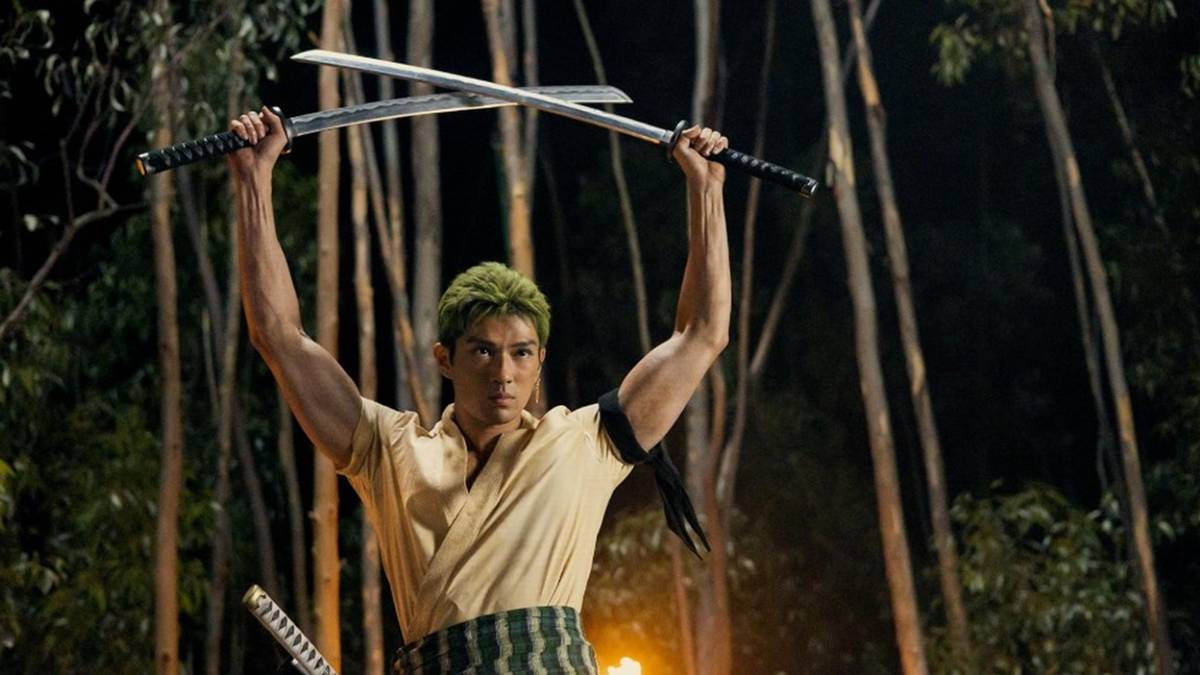
At the heart of One Piece is Monkey D. Luffy, played with infectious energy by Iñaki Godoy. Luffy is a relentlessly optimistic young pirate with a dream: to find the legendary One Piece treasure and become the King of Pirates. Along the way, he assembles a ragtag crew known as the Straw Hat Pirates, including the stoic swordsman Roronoa Zoro (Mackenyu), the cunning navigator Nami (Emily Rudd), the cowardly but brave sharpshooter Usopp (Jacob Romero Gibson), and the suave chef Sanji (Taz Skylar). Together, they sail the treacherous Grand Line, encountering bizarre islands, monstrous sea creatures, and a host of eccentric villains.
What sets One Piece apart from other adaptations is its unapologetic embrace of the source material's absurdity. In this world, people gain superhuman powers by eating Devil Fruits, pirates can stretch their bodies like rubber, and a talking reindeer can become a valued crew member. A lesser show might have sanded down these strange edges to make everything feel grounded, but One Piece leans into the madness. The costumes are deliberately over-the-top, the sets are vibrant and theatrical, and the characters look like they've stepped straight out of Oda's illustrations. While this approach occasionally leads to visual effects that don't quite land, it gives the series something many fantasy shows lack: a distinct personality.
Season 2 finds Luffy and his crew venturing deeper into the Grand Line, where the rules change from island to island. The narrative takes on a more episodic rhythm as the Straw Hats encounter a parade of oddities, from the sinister Baroque Works organization to the enigmatic Miss Wednesday, played by Charithra Chandran. The season also introduces fan-favorite characters like the shape-shifting reindeer Tony Tony Chopper, voiced by Mikaela Hoover, and the flamboyant Mr. 3, portrayed by David Dastmalchian. Chopper, in particular, is a testament to the show's philosophy: he looks utterly ridiculous, yet the series commits to his emotional arc so sincerely that his absurdity becomes part of his charm.
The secret weapon of One Piece is its cast. Godoy continues to shine as Luffy, capturing the character's unique blend of childlike wonder, fearlessness, and unwavering loyalty. He could easily become grating if played too broadly, but Godoy infuses him with enough warmth that his optimism becomes contagious. The rest of the crew have also settled into their roles with confidence. Mackenyu's Zoro gets more opportunities to showcase his swordsmanship, while Skylar's Sanji brings effortless charisma to the group. Rudd and Romero give Nami and Usopp their own distinct rhythms, with Usopp proving that courage can coexist with cowardice.
Live-action adaptations of anime have long struggled to find the right balance between fidelity and accessibility. One Piece succeeds by recognizing that the eccentricity is the point. Oda has remained involved in the production, and while the filmmakers have made significant changes, they've stayed true to the characters and themes that made the manga a global sensation. The result is a series that feels both faithful and fresh.
Of course, One Piece isn't without its flaws. The special effects can be inconsistent, with some sequences looking cheap and others looking genuinely impressive. The tonal shifts can be jarring, and condensing a sprawling manga into eight episodes means some stories and characters get shortchanged. But these issues are minor compared to the show's strengths. It has heart, humor, and a sense of adventure that's hard to resist.
The numbers speak for themselves. Season 2 debuted at No. 1 on Netflix's English-language TV chart, drawing 16.8 million viewers and 136.2 million hours watched in its first four days. The first season also saw a resurgence, pulling in an additional 3.6 million viewers that week. Critics have been even more enthusiastic this time around, with Season 2 earning a perfect 100% score on Rotten Tomatoes from 30 reviews, along with a 95% audience score. Season 1, by comparison, holds an 86% critics' score and a 95% audience score.
This combination of critical acclaim and audience adoration has transformed One Piece from a risky gamble into a reliable hit for Netflix. The platform has already confirmed a third season, which will adapt the Alabasta arc and is slated for release in 2027. For fans of fantasy adventure, One Piece is a must-watch, and it's easy to see why it's being hailed as one of the biggest streaming hits of 2026. If you're looking for more fantasy gems, check out our list of underrated Netflix treasures or dive into the best fantasy adventure films of all time.