The first trailer for Apple TV's Neuromancer dropped at San Diego Comic-Con, and it's a neon-soaked, action-packed tease that has fans buzzing. With iconic lines and visuals straight from William Gibson's 1984 cyberpunk classic, showrunners Graham Roland and J.D. Dillard seem to have nailed the surface. But the real challenge lies beneath: will this adaptation preserve the novel's soul-crushing corporate dystopia, or will it sand off the edges for mainstream appeal?
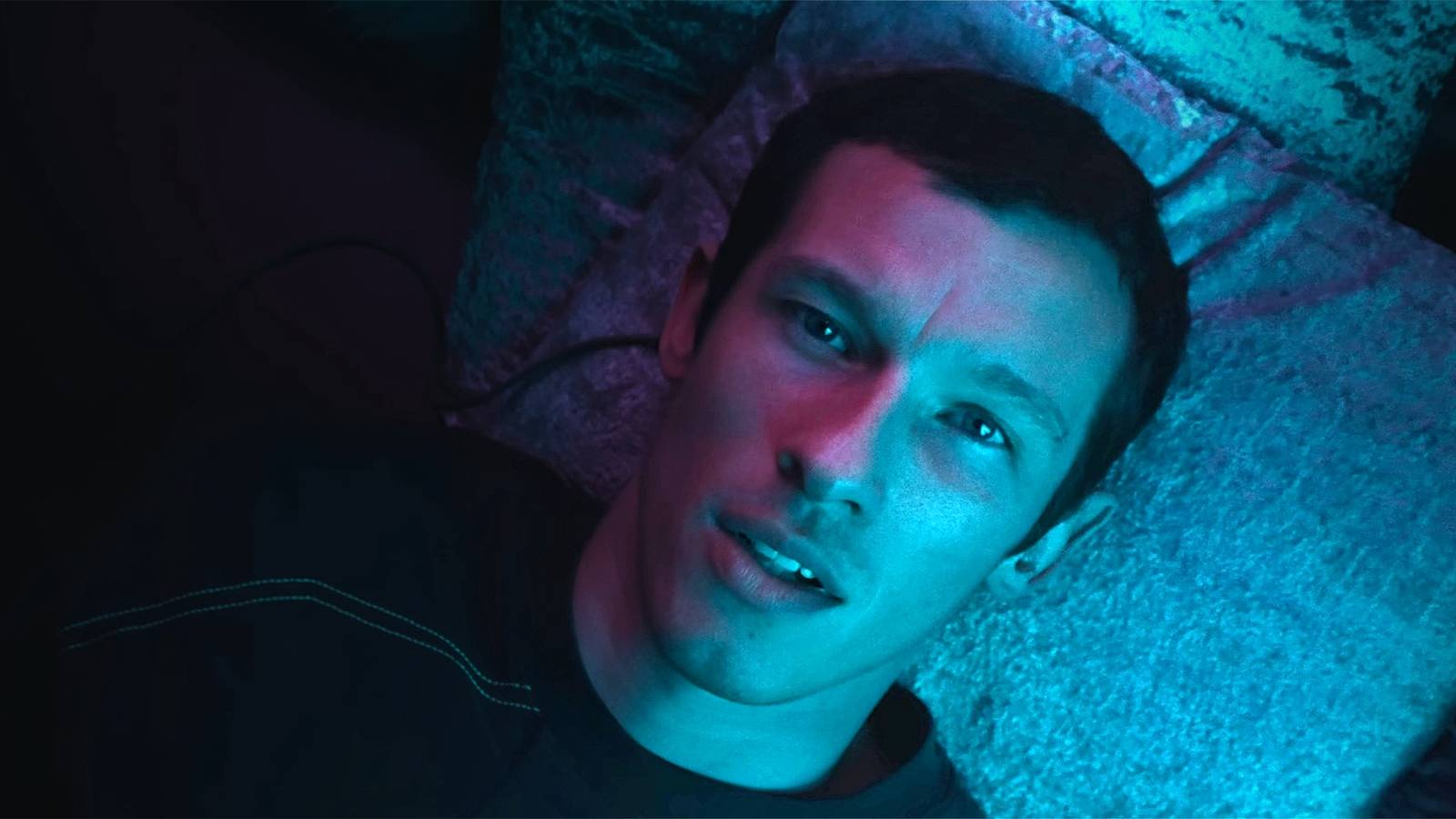
Set in a near-future where corporations have eclipsed governments, Neuromancer follows Case (Callum Turner), a washed-up hacker recruited for a high-stakes heist against the Tessier-Ashpool family, one of the wealthiest dynasties in existence. Case is a broken man, and his crewmates are equally desperate. Their shared misery is the engine of the story—a world where freedom and social mobility are distant memories, and technology serves only to extract more from the powerless.

The Sprawl Is More Than Just a Backdrop
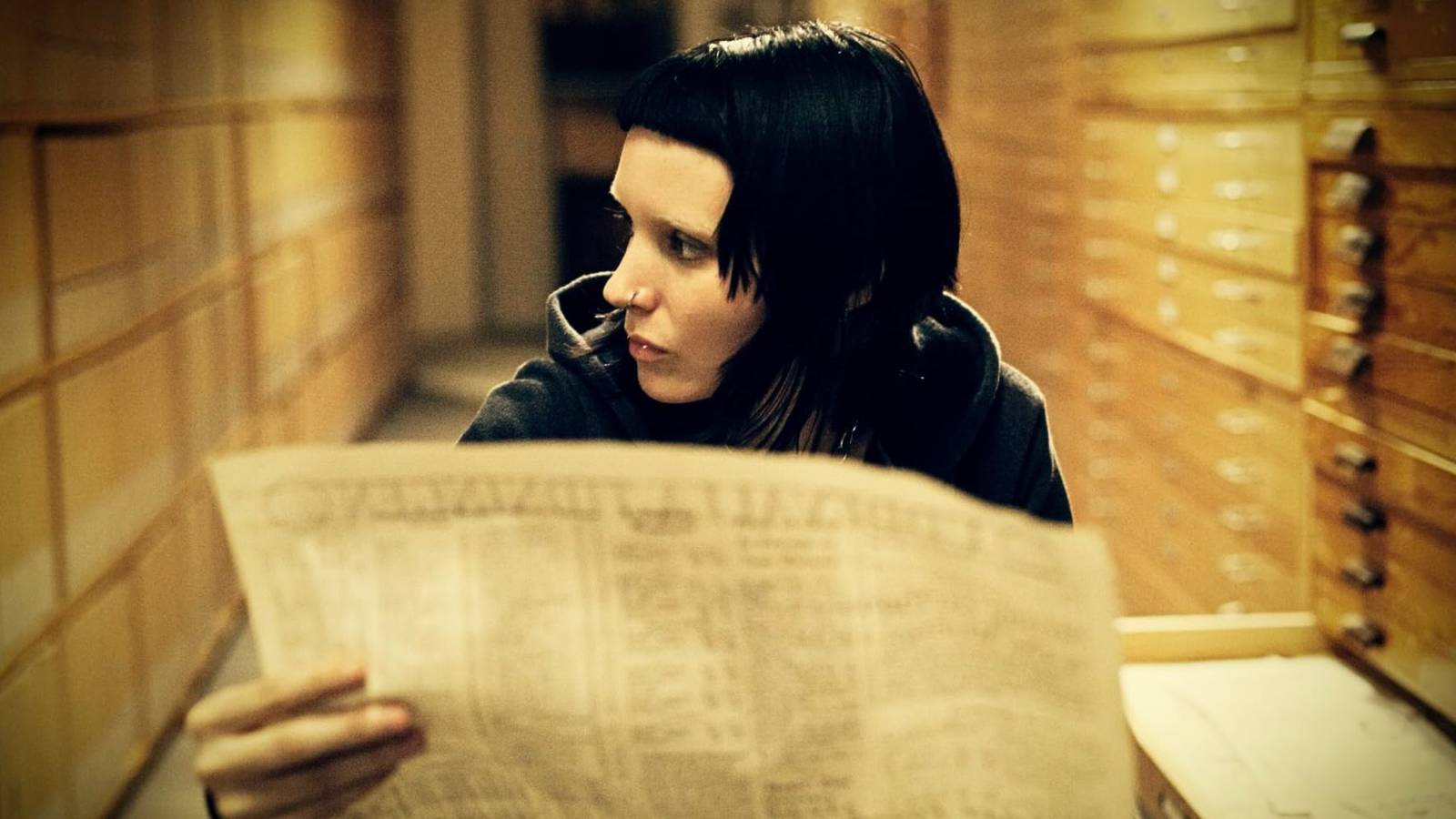
Gibson's vision of The Sprawl—a sprawling, claustrophobic urban nightmare—isn't just set dressing. It's a character in itself, a place where dazzling tech coexists with grinding poverty. The novel brilliantly juxtaposes virtual reality, genetic engineering, and space stations with the mundane struggles of everyday survival. The trailer hints at this with its sensory overload of Chiba City and Molly Millions' (Briana Middleton) razor-sharp claws, but the show must go deeper.
It's easy to get lost in the spectacle, but Neuromancer only works if we feel the human cost. The constant technological advancement doesn't uplift; it oppresses. The show must balance its action sequences with moments that remind us of the desperation driving these characters. Without that, it's just another shiny cyberpunk adventure.
This balancing act is especially timely. Real-world tech giants are amassing unprecedented wealth and pushing AI on us at breakneck speed. While Gibson's sentient AIs differ from today's chatbots, the parallels are unavoidable. The show has a chance to critique modern corporate power, much like the novel did in its time. The Tessier-Ashpool family, with their cold, calculating wealth, are a mirror to today's billionaires—a comparison that shouldn't be glossed over.
No Heroes, Only Survivors
One of the novel's most striking elements is its moral ambiguity. Case isn't a hero; he's a drug-addicted, self-destructive antihero who becomes more sympathetic but never fully likable. His crewmates are similarly flawed, driven by survival instincts rather than noble ideals. The story forces us to question whether anyone in this world can truly be good or evil when they're all pawns in a corporate game.
Adaptations often sand down these rough edges to make characters more relatable, but Neuromancer would lose its power if it did. The tragedy of the story is that these people have no real choices. They're trapped in a system that leaves them no room for morality, and their actions are dictated by desperation. The show must embrace this bleakness to honor Gibson's vision.
Roland and Dillard have shown they understand the material, and having Gibson on board as a consulting producer is a good sign. But the proof will be in the execution. Neuromancer premieres on Friday, January 22, 2027, on Apple TV. Until then, fans can revisit the novel and its sequels, which are available in print, digital, and audiobook formats. For more on Apple TV's recent successes, check out how For All Mankind became a worthy successor to another sci-fi classic, or see how the Cape Fear adaptation is climbing the charts. If you're in the mood for more cyberpunk action, Alita: Battle Angel is a great streaming pick.