In the streaming era, prestige television is synonymous with cinematic visuals, but long before HBO and Netflix dominated the conversation, network TV was quietly producing some of the most visually ambitious shows ever made. Despite the constraints of producing 20-plus episodes a season, certain creators pushed the boundaries of what broadcast television could look like, delivering images that still resonate decades later.
From the neon-soaked streets of Miami to the eerie forests of the Pacific Northwest, these shows didn't just tell stories—they painted them. Here are the most visually stunning network TV shows of all time, ranked by originality and lasting impact.
10. 24 (2001–2010)
Kiefer Sutherland's Jack Bauer became a pop culture icon in this real-time thriller, where each season unfolds over a single day, with each episode representing one hour. The show's ingenious format demanded constant momentum, but it was the visual presentation that made it unforgettable. Split screens, a ticking digital clock, and claustrophobic close-ups created a sense of urgency that was unprecedented on network TV. The Emmy-winning editing made viewers feel like they were watching something entirely new—a spy thriller that never let you catch your breath.
9. Miami Vice (1984–1990)
Before Miami Vice, police procedurals were functional, not flashy. But this show changed everything with its cinematic approach to crime-fighting. Don Johnson and Philip Michael Thomas starred as undercover detectives navigating a world of pastel suits and fast boats, and the show's use of music montages and artistic camera work made it feel like a feature film every week. It wasn't just a cop show; it was a visual revolution that proved TV could be as stylish as the movies.
8. The X-Files (1993–2018)
When The X-Files premiered, it brought a dark, shadowy aesthetic to network TV that was more at home in horror films. The show's early seasons, with their monster-of-the-week cases, relied on atmosphere and suggestion rather than expensive effects. The Emmy-winning cinematography created an unforgettable mood, and the haunting opening credits set the tone from the very first frame. It demonstrated that science fiction and horror could thrive on broadcast television—and look gorgeous doing it.
7. CSI: Crime Scene Investigation (2000–2015)
Forensic science doesn't sound like the most visual subject, but CSI turned lab work into a spectacle. The show used CGI to zoom into microscopic evidence, trace bullet trajectories, and reconstruct crime scenes in ways that were both educational and visually stunning. The sleek, futuristic lab where the team worked was a far cry from any real police station, but it gave the show a polished, high-tech sheen that spawned a franchise and countless imitators. It was a visual template that dominated network TV for a decade.
6. Little House on the Prairie (1974–1983)
Going back to basics, Little House on the Prairie offered a visually charming portrait of 19th-century pioneer life. The show's idyllic landscapes, warm color palette, and attention to period detail created a comforting, nostalgic world that viewers could escape into. It was a different kind of visual achievement—one that found beauty in simplicity and made the past feel inviting.
5. Lost (2004–2010)
Few shows have captured the imagination like Lost, and its visuals were a huge part of its appeal. The island setting was a character in itself, with its lush jungles, mysterious hatches, and breathtaking beach scenes. The show's use of natural light and sweeping aerial shots made it feel epic, while its flashback structure allowed for a visual contrast between the island's primal beauty and the characters' past lives. Lost was a visual feast that kept viewers guessing—and watching—for six seasons.
4. Twin Peaks (1990–1991)
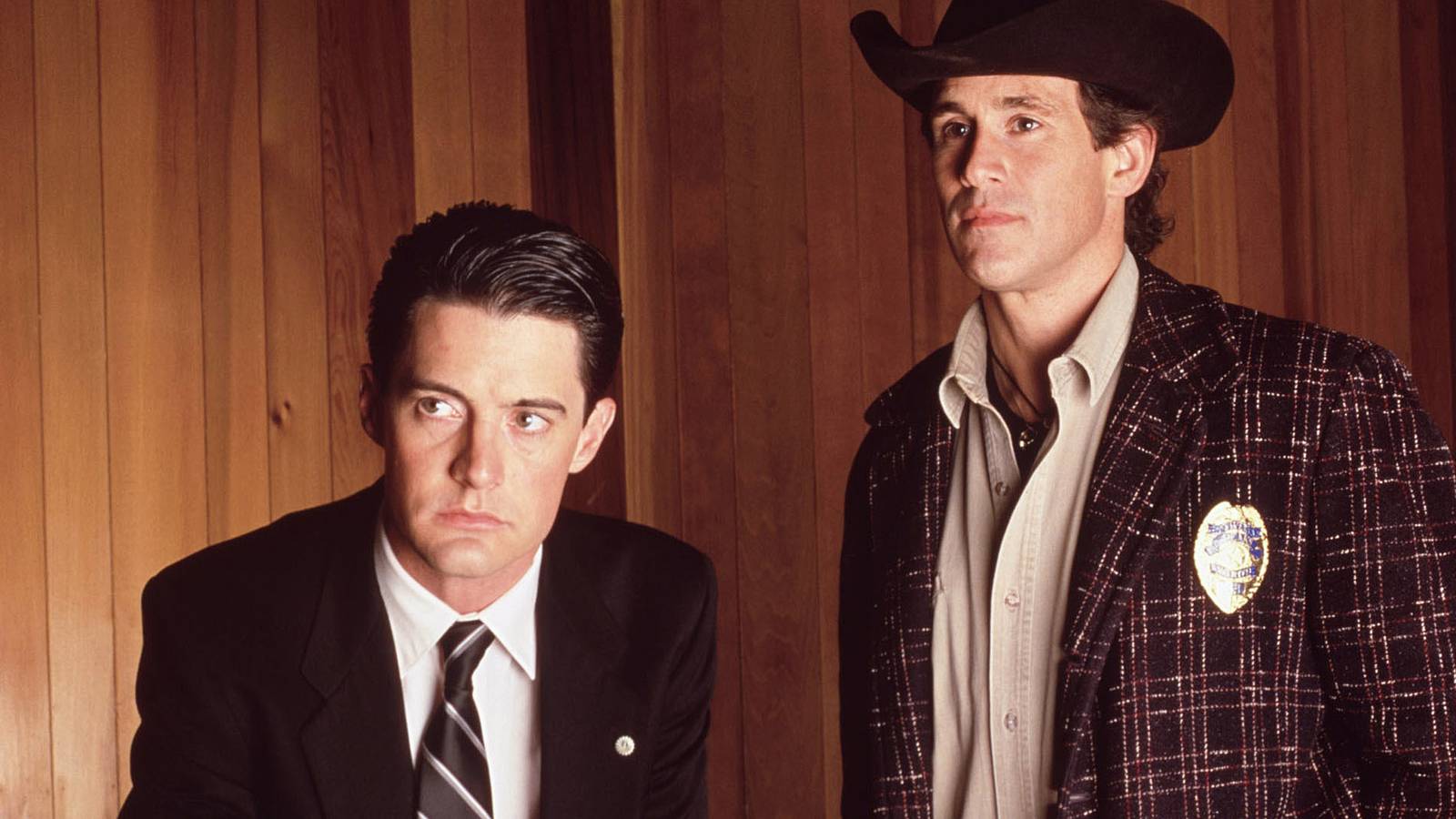
David Lynch brought his surrealist vision to network TV with Twin Peaks, and the result was unlike anything else on television. The show's small-town setting was rendered with a dreamlike quality, where the ordinary and the bizarre coexisted. From the iconic red room to the fog-drenched woods, every frame was carefully composed to create an atmosphere of unease and wonder. Twin Peaks proved that network TV could be art, and its influence is still felt today.
3. Hannibal (2013–2015)
Though it aired on NBC, Hannibal was a visual masterpiece that rivaled any prestige drama. The show's use of chiaroscuro lighting, elaborate food styling, and grotesque yet beautiful imagery created a world that was both elegant and terrifying. Each episode was a work of art, with compositions that looked like they belonged in a gallery. It was a bold, uncompromising vision that pushed the boundaries of what network TV could show—and how it could show it.
2. Pushing Daisies (2007–2009)
Bryan Fuller's Pushing Daisies was a visual confection, a fairy tale brought to life with vibrant colors, whimsical sets, and a storybook aesthetic. The show followed a pie-maker who could bring the dead back to life with a touch, and its visual style matched its magical premise. Every frame was saturated with color and detail, creating a world that was both fantastical and deeply human. It was a visual treat that was canceled far too soon.
1. The Twilight Zone (1959–1964)
Rod Serling's The Twilight Zone was a pioneer in visual storytelling, using stark black-and-white imagery and inventive camera work to create a sense of unease and wonder. The show's iconic opening sequence, with its swirling vortex and Serling's narration, set the stage for stories that explored the boundaries of reality. Its visual style was minimalist but powerful, proving that imagination could create worlds more compelling than any special effect. It remains a benchmark for visual creativity in television.
These shows remind us that network TV was never just a stepping stone to something better—it was a place where innovation thrived. Whether through groundbreaking editing, cinematic composition, or bold artistic choices, they elevated the medium and left an indelible mark on the visual language of television.