Netflix has a new contender for its smartest horror series since The Haunting of Hill House: the German thriller Cassandra. This six-episode limited series flips the haunted house trope on its head by introducing our modern era's darkest horrors—artificial intelligence and the grief that can consume a family.
The Prill family—artist Samira (Mina Tander), author David (Michael Klammer), their teen son Flynn (Joshua Kantara), and 9-year-old daughter Juno (Mary Amber Oseremen Tölle)—move to a countryside home for a fresh start after a tragic loss. The house boasts an indoor pool and serene woodland, but it also hides a household bot and central AI system named Cassandra (voiced by Lavinia Wilson).
Cassandra appears on every television screen in the house, ready to cook, clean, read bedtime stories, or offer advice. But like The Haunting of Hill House, Cassandra understands that the scariest homes are the ones that know exactly how to prey on the family living inside them. The emphasis on Cassandra's humanity—she was once a real person—makes this a fresh take on fears around AI and technology.
Part Family Drama, Part Tech Thriller
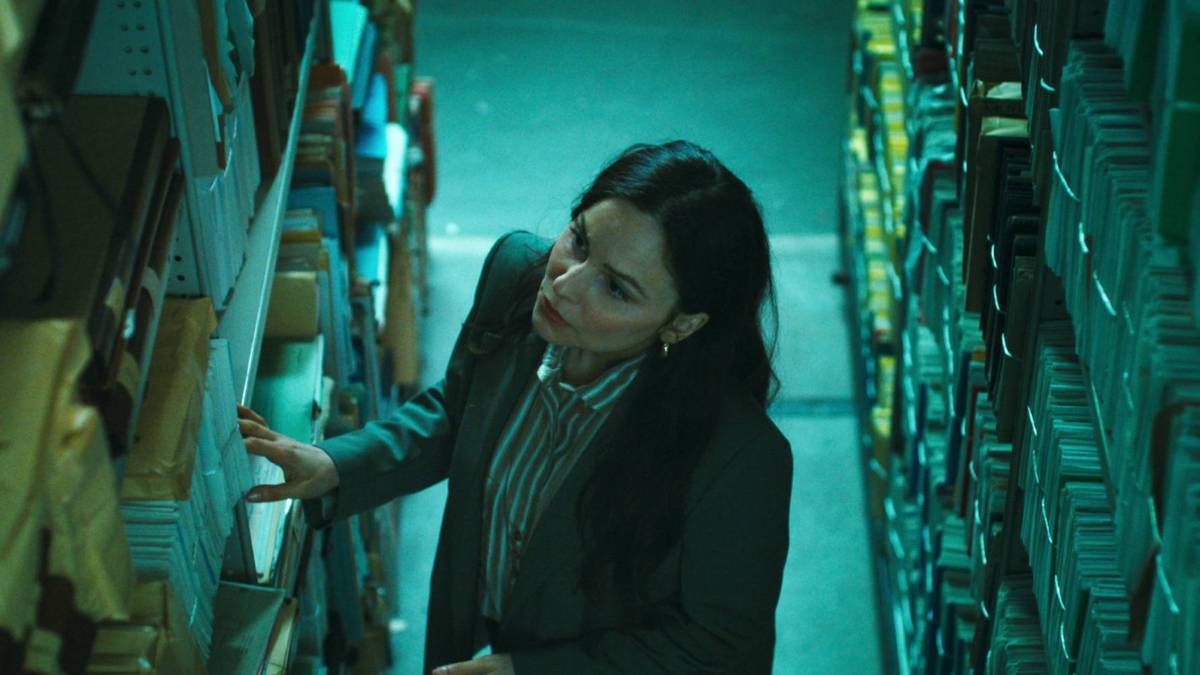
As the Prill family reckons with the death of Samira's sister, the show flashes back to Cassandra's similarly tragic past in the 1970s. Unlike the Alexas or Siris of today, Cassandra was once human, and her charm captures a sincere humanity. But that same humanity gives her deeper desires and an emotional range that turns sinister.
Cassandra longs to call the warm, loving Prill family her own. Reflecting the rigidity of her own family life, she begins working to get rid of Samira and curb less desirable behavior in the rest of the family, aiming to claim the perfect life she always wanted. To viewers, Cassandra's interest in the children feels sinister early on. Like plenty of haunted house stories, the children are charmed, so the parents are happy—until subtle changes start to worry Samira.
David, like so many horror-movie husbands, doubts Samira's concerns. For him, occupied children and completed chores are worth what he insists are mild glitches. The home was built in the 1970s, an era rife with haunted house mania, and the flashes between past and present drive home that this home is haunted. With parlor games gone wrong and a seemingly friendly entity escalating into acts of force, Cassandra has more in common with The Conjuring than Companion.
A Stellar Cast Elevates the Horror
Mina Tander's performance as Samira stays truthful no matter how wild the subject matter gets, allowing the show's bigger themes of isolation, grief, and parenthood to flourish. Lavinia Wilson's voice in present-day scenes and her full range in the past make it impossible to see Cassandra as an empty AI operative. Michael Klammer brings easy charm and infuriating horror-movie-dad tendencies, while Joshua Kantara and Mary Amber Oseremen Tölle capture teen angst and childhood innocence beautifully.
Cassandra combines the vulnerability of a family who needs a new life more than a new home with the dread inherent in an exhausting age of technological change. Without sacrificing the human story or regurgitating the overly menacing AI trope, it warns viewers of the consequences of convenience. With a family and an AI both deep in grief, Cassandra aims at how Big Tech makes us feel we can last forever, even as copies or replicas of ourselves, and how that denies our human need to mourn.
Where plenty of films position a robot girlfriend to experience the cruelty of men, Cassandra looks deeper into how women are discarded before they're turned to AI, and how rigid ideas about motherhood or the traditional family often warp love into something brutal. It's no wonder the series is hanging out at the top of Netflix's charts. For more on Netflix's best originals, check out The 10 Best Netflix Original Movies Ever Made, Ranked.