Most viewers think they know what kind of show they're watching by the end of the first episode. A crime thriller is about catching the killer, a horror series is about surviving the house, and a sitcom is about getting a few laughs. Every so often, though, a show reaches its final stretch, and the audience learns that it never played by the rules at all.
Suddenly, every unexplained moment seems to carry brand-new meaning, and every episode becomes a puzzle worth solving all over again. Over the years, Netflix has really perfected this formula of throwing the audience in for one last loop just when they think the story is over. Here is a list of 10 great shows on the streamer with endings that change everything.
The Innocent (2021)
The Innocent spends eight episodes asking how long one terrible mistake should define a person. Mateo Vidal (Mario Casas) is a law student whose life changes during a nightclub fight when he accidentally kills another man and is sent to prison. Years later, Mat has rebuilt everything. He has a successful career, a wife named Olivia (Aura Garrido), and a baby on the way. When Olivia leaves on a business trip, Mat receives a disturbing video from her phone that threatens the stable life he has fought so hard to create. Soon enough, he is caught inside a mystery involving missing women, old enemies, and the many secrets his wife has been hiding from him.
Like the best Harlan Coben adaptations, The Innocent keeps changing what the audience thinks the story is actually about. Characters who initially seem suspicious become victims, unrelated cases begin converging, and almost everyone is hiding something. When the mystery finally appears to be solved, the show throws the audience one last curveball that changes everything they thought they knew. The show's closing moments ensure that the audience keeps thinking about it long after the credits roll, and that is the mark of a great story.
Behind Her Eyes (2021)
Behind Her Eyes saves its biggest secret for so late in the story that the audience barely has time to process what it means. The series follows single mother Louise (Simona Brown), who meets David (Tom Bateman) at a bar and shares a kiss with him before discovering the next morning that he is not only her new boss, but also married. Things become even messier when Louise secretly befriends his wife, Adele (Eve Hewson), while continuing her affair with David. This is where things get interesting because David and Adele's marriage seems to be harboring a lot of secrets, while Adele's past with her friend Rob (Robert Aramayo) suggests that something terrible happened between them years earlier.
The show introduces these messy interpersonal dynamics, and right after that, it connects all of this to the concept of astral projection. The sudden, unexpected pivot becomes the most important part of the show, and when the truth about David, Adele, and Rob finally comes to light, the audience is forced to reconsider almost everything that came before.
The Fall of the House of Usher (2023)
The Fall of the House of Usher begins with its ending already in motion. The story starts with all six heirs of pharmaceutical billionaire Roderick Usher (Bruce Greenwood) having died within two weeks. In the aftermath, Roderick invites investigator C. Auguste Dupin (Carl Lumbly), the man who spent decades trying to bring him down, to his crumbling childhood home to hear a full confession. The only problem is, no one knows what he is confessing to. As Roderick recounts how he and his sister Madeline (Mary McDonnell) built Fortunato Pharmaceuticals into an empire on the back of a deadly opioid, the show moves between timelines to show how each of his children meets an unfortunate fate, all while a mysterious woman named Verna (Carla Gugino) lingers at the edges of every death.
The genius of the series lies in how Mike Flanagan weaves dozens of Edgar Allan Poe stories into a sweeping tale of greed and generational wealth. Every episode in the show stands as its own masterpiece and shows how the siblings were taken by the very things they were obsessed with. The deaths initially feel like the main attraction, but when the show finally returns to a fateful New Year's Eve decades earlier, the answer reframes the entire Usher fortune, and everything suddenly feels less like a curse and more like inevitability.
Brand New Cherry Flavor (2021)
Brand New Cherry Flavor gets stranger with every episode, and that's part of the fun. The series is set in 1990 Los Angeles, and follows aspiring filmmaker Lisa Nova (Rosa Salazar), who arrives in Hollywood hoping to direct her first feature. Now, when producer Lou Burke (Eric Lange) betrays her and takes control of her project, Lisa turns to a mysterious tattoo artist and witch named Boro (Catherine Keener) to curse him. However, the deal comes with consequences Lisa never could have imagined, including zombies, hallucinations, and an unsettling habit of vomiting kittens.
The show is based on Todd Grimson's novel, and feels like a fever dream pulled from the darkest corners of the film industry. Sure, there's plenty of grotesque body horror and shock value in the narrative, but underneath that, Brand New Cherry Flavor tells a dark story about ambition and the powers that be in Hollywood. The finale strips away the chaos to reveal Boro's real motivation, and in doing so, it completely changes how the audience understands Lisa's journey.
Bodies (2023)
Bodies begins with a single mystery and keeps expanding it in different directions. The story begins when a naked man is found dead in a Whitechapel alleyway in 1890, but the same body is also discovered in 1941, 2023, and 2053. Four detectives from four different eras must each investigate the death, and as they dig deeper, they uncover a conspiracy that spans centuries. The show is based on the graphic novel by Si Spencer, and it masterfully weaves together time travel, political intrigue, and a love story that defies the ages.
The finale brings all four timelines together in a way that redefines the entire narrative. The identity of the dead man, the motives of the villain, and the true purpose of the time loop are all revealed, forcing viewers to re-evaluate every clue they thought they had figured out. It's a mind-bending conclusion that rewards careful attention and leaves a lasting impression.
The Haunting of Hill House (2018)
Mike Flanagan's The Haunting of Hill House is a masterclass in horror, but its ending is what truly elevates it. The series follows the Crain family as they confront the ghosts of their past, both literal and metaphorical, in the sprawling mansion that still haunts them. Each episode focuses on a different sibling, revealing how their childhood in Hill House shaped them into the adults they've become. The show is filled with hidden ghosts in the background, subtle clues, and a deep sense of dread that builds with every episode.
The finale, titled "Silence Lay Steadily," brings the family back to Hill House for a final confrontation. The show's ending, which has been divisive among fans, offers a poignant and hopeful resolution that reinterprets the entire series. The ghosts, the house, and the family's trauma all come together in a way that suggests the real horror was never the supernatural, but the inability to let go. It's a finale that changes how you see the entire show, and it's a testament to Flanagan's storytelling prowess.
The Good Place (2020)
The Good Place is a comedy that starts with a simple premise: Eleanor Shellstrop (Kristen Bell) wakes up in the afterlife and realizes she's been sent to the Good Place by mistake. She's not a good person, and she must hide her true identity from the other residents and the architect Michael (Ted Danson). Over four seasons, the show evolves from a fish-out-of-water comedy into a profound philosophical exploration of ethics, morality, and what it means to be a good person.
The series finale, "Whenever You're Ready," is a tearjerker that redefines the entire show. After the gang finally figures out how to make the afterlife fair, they are given the option to walk through a door that ends their existence. The finale shows each character making that choice in their own time, and it's a meditation on death, closure, and the meaning of life. It's an ending that changes everything you thought the show was about, turning a sitcom into a profound meditation on the human condition.
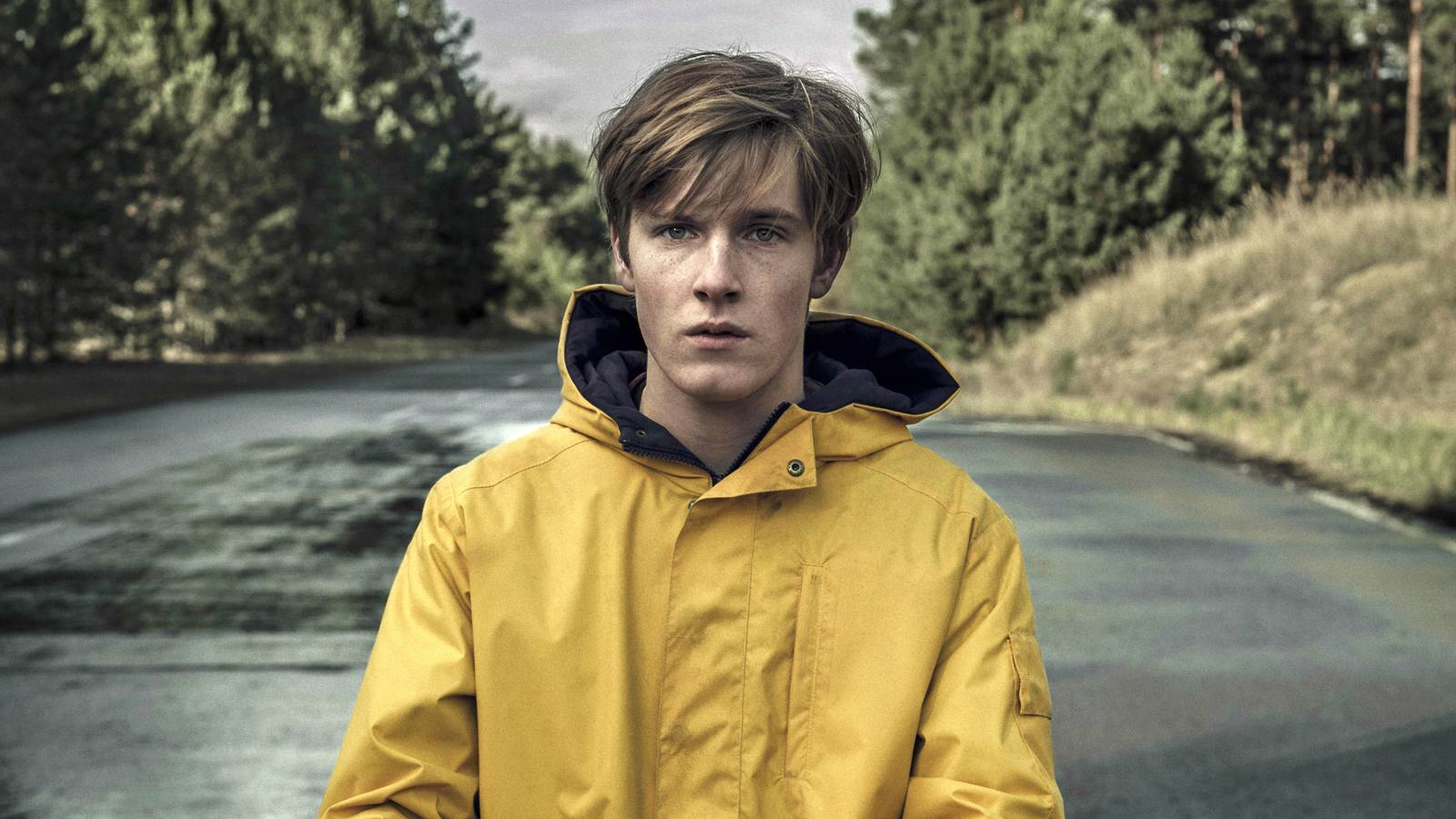
Dark (2020)
Dark is a German sci-fi thriller that is as complex as it is rewarding. The show begins with the disappearance of two children in the small town of Winden, but it quickly spirals into a multi-generational time travel saga that spans centuries. The show is known for its intricate plot, its sprawling cast of characters, and its mind-bending twists. Every episode adds a new layer to the mystery, and the show demands your full attention.
The series finale, "Paradise," brings the story to a close by revealing the true nature of the time loop and the origin of the knot that has entangled the characters for so long. The ending recontextualizes the entire series, showing that the battle between the two worlds was never about good versus evil, but about the inevitable consequences of time travel. It's a finale that rewards patient viewers and leaves a lasting impression.
Russian Doll (2019)
Russian Doll starts with a simple premise: Nadia (Natasha Lyonne) is stuck in a time loop, dying and reliving the same night over and over again. But as the show progresses, it becomes clear that there's more to the loop than just a supernatural phenomenon. The show is a dark comedy that explores themes of trauma, addiction, and the search for meaning in a chaotic world.
The first season's finale, "Ariadne," brings Nadia and Alan (Charlie Barnett) together as they realize they're both stuck in the same loop. The ending reveals that the loop is not just a punishment, but a chance for growth and connection. The show's second season, which aired in 2022, takes the story in a completely different direction, but the first season's finale remains a powerful moment that redefines the entire series.
Maniac (2018)
Maniac is a surreal and visually stunning miniseries from Cary Fukunaga and Patrick Somerville. The show follows Owen (Jonah Hill) and Annie (Emma Stone), two strangers who participate in a pharmaceutical trial that promises to cure all mental illness. The trial involves a series of dream-like simulations that force the participants to confront their deepest fears and desires. The show is a trippy, genre-bending journey that defies easy categorization.
The finale, "Utangatta," brings Owen and Annie together in a way that suggests the trial was never about curing them, but about connecting them. The ending reinterprets the entire series as a love story, and it's a beautiful, bittersweet conclusion that stays with you long after the credits roll. It's a finale that changes everything you thought you knew about the show, and it's a testament to the power of storytelling.
These are just a few of the Netflix shows that have mastered the art of the game-changing finale. Whether you're looking for a romance that redefines the genre or a revenge thriller that keeps you guessing, these endings will leave you reeling. And if you're in the mood for something more action-packed, check out My Name, a show that blends the grit of John Wick with the style of Kill Bill. For those who prefer a slower burn, From is a mystery that will keep you on the edge of your seat.