Few genres burrow under the skin quite like the psychological thriller. While traditional thrillers rely on high-octane chases and explosive set pieces, the true masters of this subgenre work on a deeper, more unsettling level—inside your head. They weaponize perception, memory, and trust, turning them against you. The best of these films don't just scare or surprise; they make you an active participant, piecing together clues alongside the protagonist, building theories, and trusting the wrong person—only to have the floor collapse beneath you.
From Alfred Hitchcock's iconic Psycho to David Fincher's gritty Se7en, these are films where craft and psychology fuse. They feature performances that reveal a flicker of doubt, direction that holds a shot a beat too long, and screenplays built with precision and patience. This list highlights psychological thrillers that don't merely play with your nerves—they leave a permanent mark, reminding you of the razor-thin line between sanity and madness.
Memento (2000)
Christopher Nolan's Memento earns its place among the greatest psychological thrillers by making its structure the very thing that unsettles you. Adapted from a short story by his brother Jonathan, the film follows Leonard Shelby (Guy Pearce), a man with anterograde amnesia who can't form new memories, as he hunts for the person who killed his wife and caused his condition. To mirror Leonard's experience, Nolan tells the story in reverse, so each scene ends where the previous one began. You never know more than Leonard, creating a shared disorientation that is the film's central trick.
Nolan's script is a model of precision, and the moody, noir-tinged visuals reinforce the paranoia. Memento doesn't just thrill; it makes you question the reliability of your own mind. Pearce delivers a remarkable performance, conveying confusion, determination, and creeping dread often within a single scene, while Carrie-Anne Moss and Joe Pantoliano add layers of ambiguity, leaving you constantly unsure of who is manipulating whom. It's a benchmark of the genre, an intellectually daring puzzle that rewards repeat viewings.
Se7en (1995)
David Fincher's Se7en endures as one of the finest psychological thrillers because it unnerves through dread rather than spectacle. The film centers on two detectives—William Somerset (Morgan Freeman), a disillusioned veteran near retirement, and eager newcomer David Mills (Brad Pitt)—who pursue a serial killer staging his crimes around the seven deadly sins. The premise might sound outlandish, but Fincher and screenwriter Andrew Kevin Walker use it to build something far more disturbing than anyone could imagine.
Cinematographer Darius Khondji drenches nearly every scene in rain, shadows, and sickly light, creating a city that feels suffocating and hopeless. Fincher rarely shows violence directly, instead letting the horrific aftermath and your imagination do the work—which proves more horrifying than any gore. The infamous final sequence, set in a barren desert, is devastating because it feels inevitable yet still shocks. Fincher refuses to soften it, and that uncompromising choice is why Se7en continues to haunt viewers decades later. For more on Fincher's mastery, check out our analysis of political thrillers that share his relentless tension.
Gaslight (1944)
George Cukor's Academy Award-winning Gaslight helped define the genre's central fear: being driven mad by someone you trust. Ingrid Bergman stars as Paula Alquist, who, after her aunt's murder, marries a charming pianist, Gregory Anton (Charles Boyer). When they return to London to live in her aunt's home, Paula begins to experience strange occurrences that slowly convince her she's losing her mind.
The brilliance of Gaslight lies in its intimacy. There are no chase scenes or elaborate set pieces—only a marriage that gradually becomes an inescapable prison. Bergman's Oscar-winning performance shifts between hysteria, confusion, and flickers of defiance with equal conviction. Boyer is just as effective, playing Anton with silky charisma that curdles into something chilling. A young Angela Lansbury, in her screen debut, adds sharpness as the insolent maid. Gaslight endures because its terror is psychological, relatable, and timeless, and its payoff is deeply satisfying.
Psycho (1960)
Alfred Hitchcock's Psycho rewrote the rules of what audiences expected from a film, then used that shock to explore the darkest corners of the human mind. Janet Leigh stars as Marion Crane, a secretary who steals a large sum of money and flees town. When a storm forces her to stop for the night, she checks into the remote Bates Motel, where she meets the strange Norman Bates (Anthony Perkins).
The film's infamous shower scene is just one of many moments that subvert expectations, but the true genius lies in how Hitchcock shifts the narrative's focus, turning a crime thriller into a study of obsession and madness. Perkins delivers a haunting performance, and the film's final shot remains one of cinema's most chilling. Psycho is a masterpiece that continues to influence thrillers today, proving that the scariest monsters are often the ones we create in our own minds.
The Silence of the Lambs (1991)
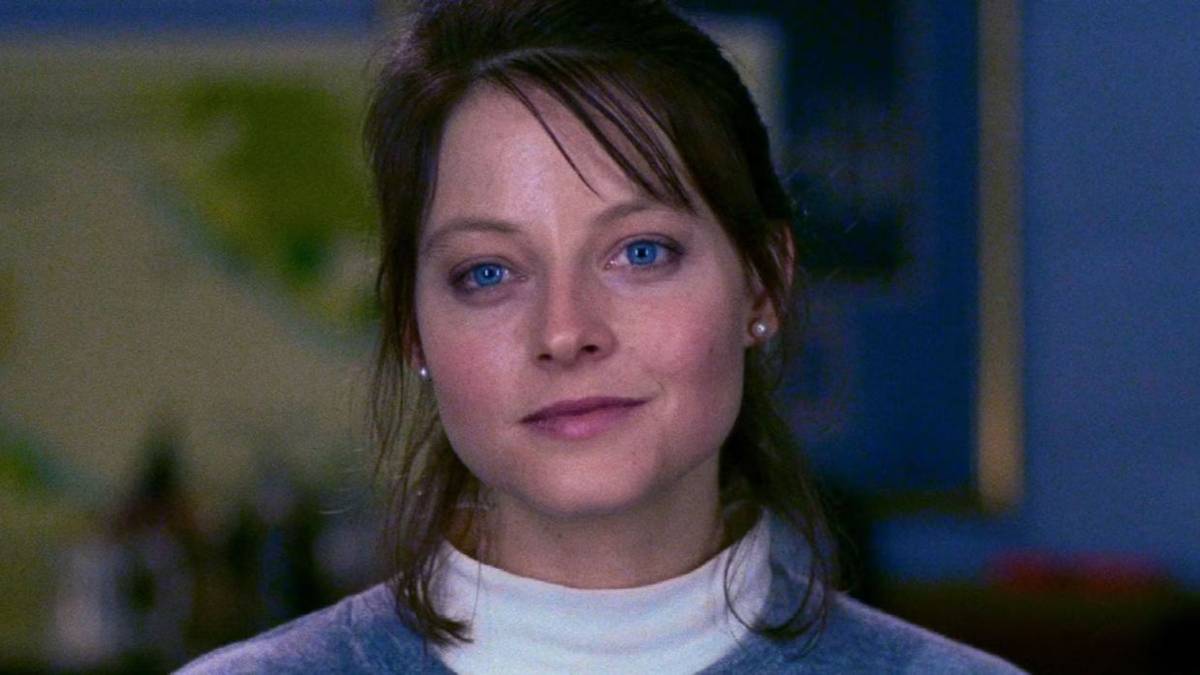
Jonathan Demme's The Silence of the Lambs is a rare film that swept the major Academy Awards and remains a touchstone of the genre. Jodie Foster stars as Clarice Starling, an FBI trainee who seeks the help of imprisoned cannibalistic killer Dr. Hannibal Lecter (Anthony Hopkins) to catch another serial killer, Buffalo Bill. The film's psychological depth comes from the unsettling dynamic between Starling and Lecter—a battle of wits where every conversation is a chess match.
Hopkins's Lecter is iconic, but Foster's performance is equally powerful, portraying a woman navigating a male-dominated world while confronting her own demons. Demme's direction creates an atmosphere of palpable tension, and the film's themes of identity and transformation resonate long after the credits roll. It's a perfect thriller that earns its place among the best.
Gone Girl (2014)
David Fincher returns to the genre with Gone Girl, an adaptation of Gillian Flynn's bestseller that dissects the dark underbelly of marriage. When Nick Dunne (Ben Affleck) reports his wife Amy (Rosamund Pike) missing, the media circus and police investigation paint him as the prime suspect. But nothing is as it seems, and the film's twists are as much about perception as they are about plot.
Pike delivers a career-defining performance, and Fincher's cold, precise direction keeps you on edge. The film's commentary on media manipulation and the masks we wear in relationships makes it a modern classic. It's a thriller that doesn't just entertain—it makes you question the stories we tell ourselves and others.
Why These Films Matter
These psychological thrillers are more than just entertainment; they're explorations of the human psyche. They challenge our assumptions, play with our emotions, and leave us questioning our own perceptions. Whether it's the reverse narrative of Memento, the oppressive atmosphere of Se7en, or the intimate horror of Gaslight, each film is a masterclass in suspense. For more binge-worthy thrillers, check out our list of flawless thriller miniseries or explore TV's most brutal thrillers. And if you're in the mood for action, our ranking of spy movies might be your next obsession.