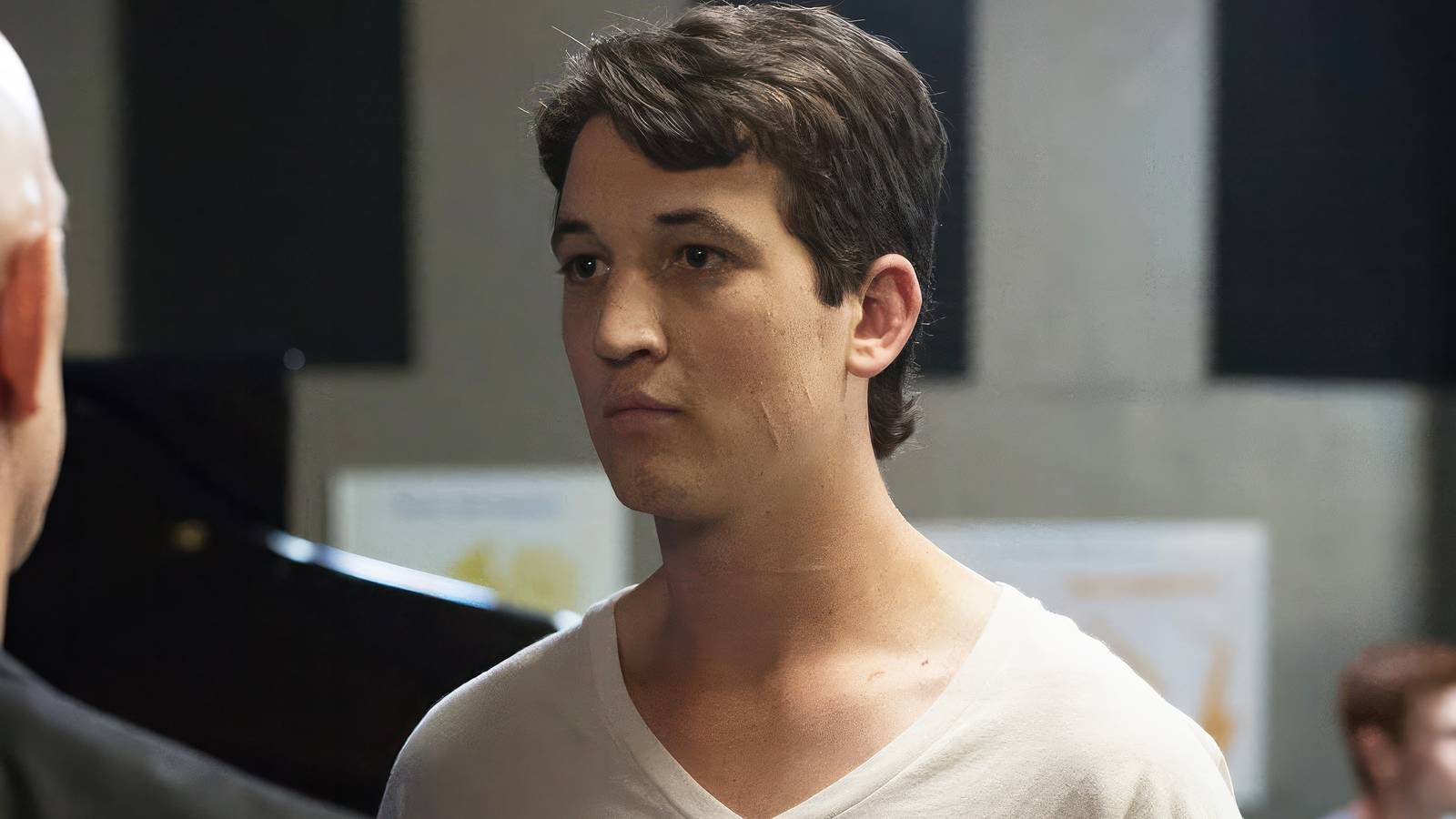
When Whiplash first hit the Sundance Film Festival on January 16, 2014, it left audiences breathless—and more than a little unsettled. Directed by Damien Chazelle, the film follows Andrew Neiman (Miles Teller), a driven young jazz drummer at an elite New York conservatory, and Terence Fletcher (J.K. Simmons), the ruthless instructor who pushes him to the brink. It wasn't just another music movie; it was a psychological duel set to a frantic rhythm.
The film's impact was immediate. It took home both the Audience Award and the Grand Jury Prize for drama at Sundance, then stormed the Oscars with five nominations. It won Best Film Editing, Best Sound Mixing, and Best Supporting Actor for Simmons, who dominated that awards season. Chazelle also earned nods for Best Picture and Best Adapted Screenplay. More than a decade later, Whiplash still ranks among the greatest music dramas ever made—and its resonance has only deepened.
A Story That Refuses to Age
Initially, many viewers saw Fletcher as a clear-cut abuser and Andrew as his innocent victim. But as cultural conversations around toxic workplaces, abusive mentors, and hustle culture have evolved, the film's moral lines have blurred. Fletcher no longer feels like an outlier; he's a recognizable type. And Andrew, who sacrifices sleep, relationships, and his own physical health for a shot at greatness, now reads as a willing participant in his own destruction. In an era of relentless self-optimization, his obsession feels uncomfortably familiar. The film's central question—when does the pursuit of excellence become self-destruction?—cuts deeper than ever.
That uncomfortable ambiguity is exactly what keeps Whiplash vital. It doesn't offer easy answers. Instead, it forces us to sit with the tension between admiration for Andrew's drive and horror at what it costs him. It's a dynamic that feels less like fiction and more like a mirror held up to our achievement-obsessed culture.
The Magic Behind the Mayhem
Part of what makes Whiplash so electrifying is how it was made. In a September 2024 interview with Collider, Chazelle and Simmons reflected on the film's breakneck production. The entire movie was shot in just 20 days in October 2013, then edited and mixed in time for its January 2014 premiere. That compressed timeline, Chazelle said, infused the film with a raw, adrenaline-fueled energy that matched its subject. "There was something about the running gun, not overthinking it, not second-guessing," he explained. "It's not an overthought movie."
Simmons credited the collaborative spirit on set, praising Chazelle and cinematographer Sharone Meir for being "immaculately prepared" while remaining open to spontaneous contributions from the cast. That balance of precision and improvisation gave the film its distinctive pulse—every drumbeat, every glare, every drop of sweat feels earned.
For those who love stories about obsession and artistry, Whiplash remains essential viewing. It's a film that rewards repeat watches, revealing new layers as our own understanding of its themes evolves. And if you're looking for more intense dramas, keep an eye on upcoming releases like Netflix's The Storm or the Apocalypse Z sequel. But few will match the ferocious intimacy of Whiplash.
Ultimately, Whiplash endures because it refuses to comfort us. It's a brutal, beautiful symphony of ambition and abuse, and its final scene—a blistering drum solo that doubles as a psychological showdown—remains one of cinema's most unforgettable moments. Twelve years on, it hasn't just aged well; it's become more haunting, more relevant, and more masterful with every passing year.