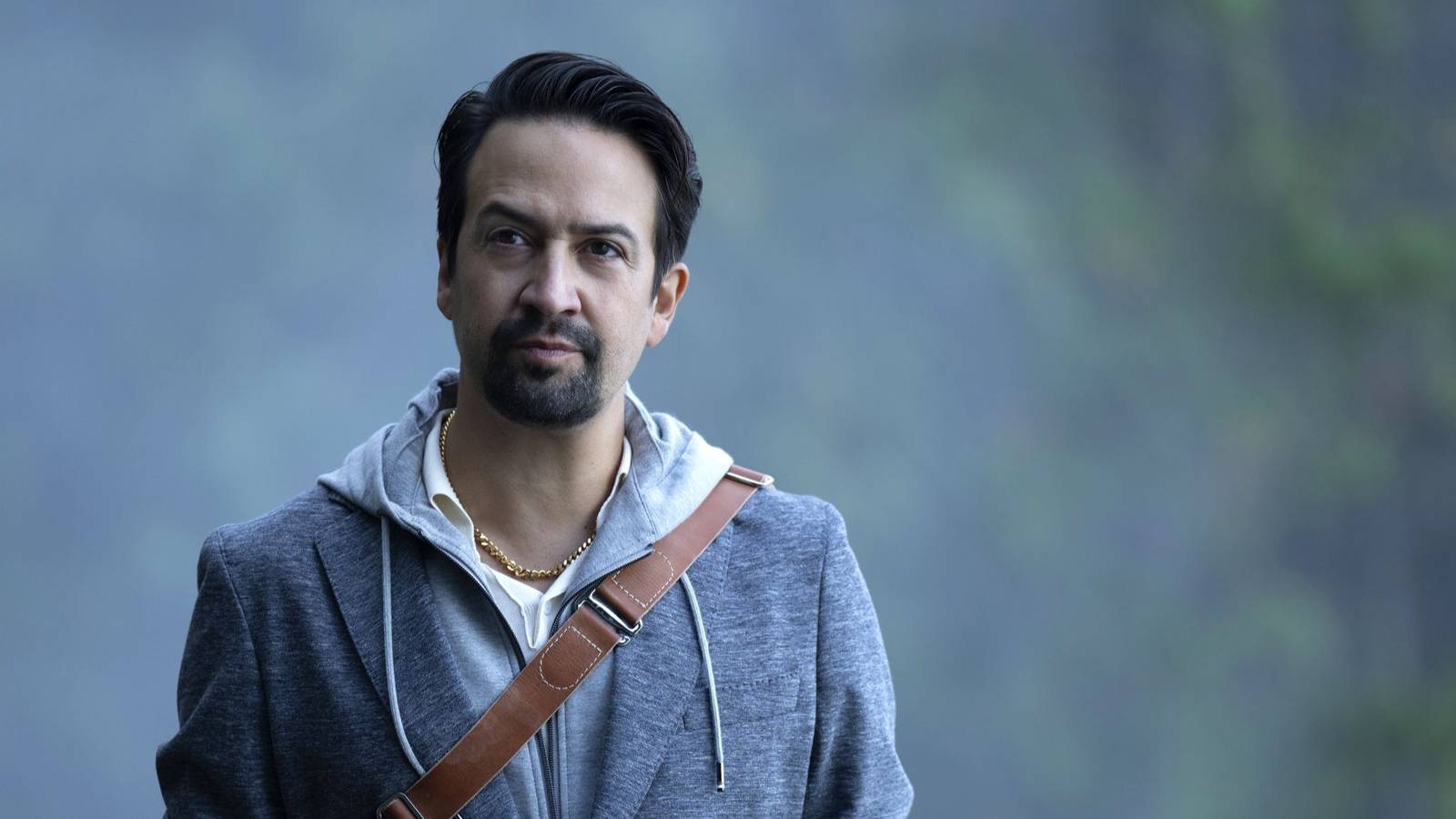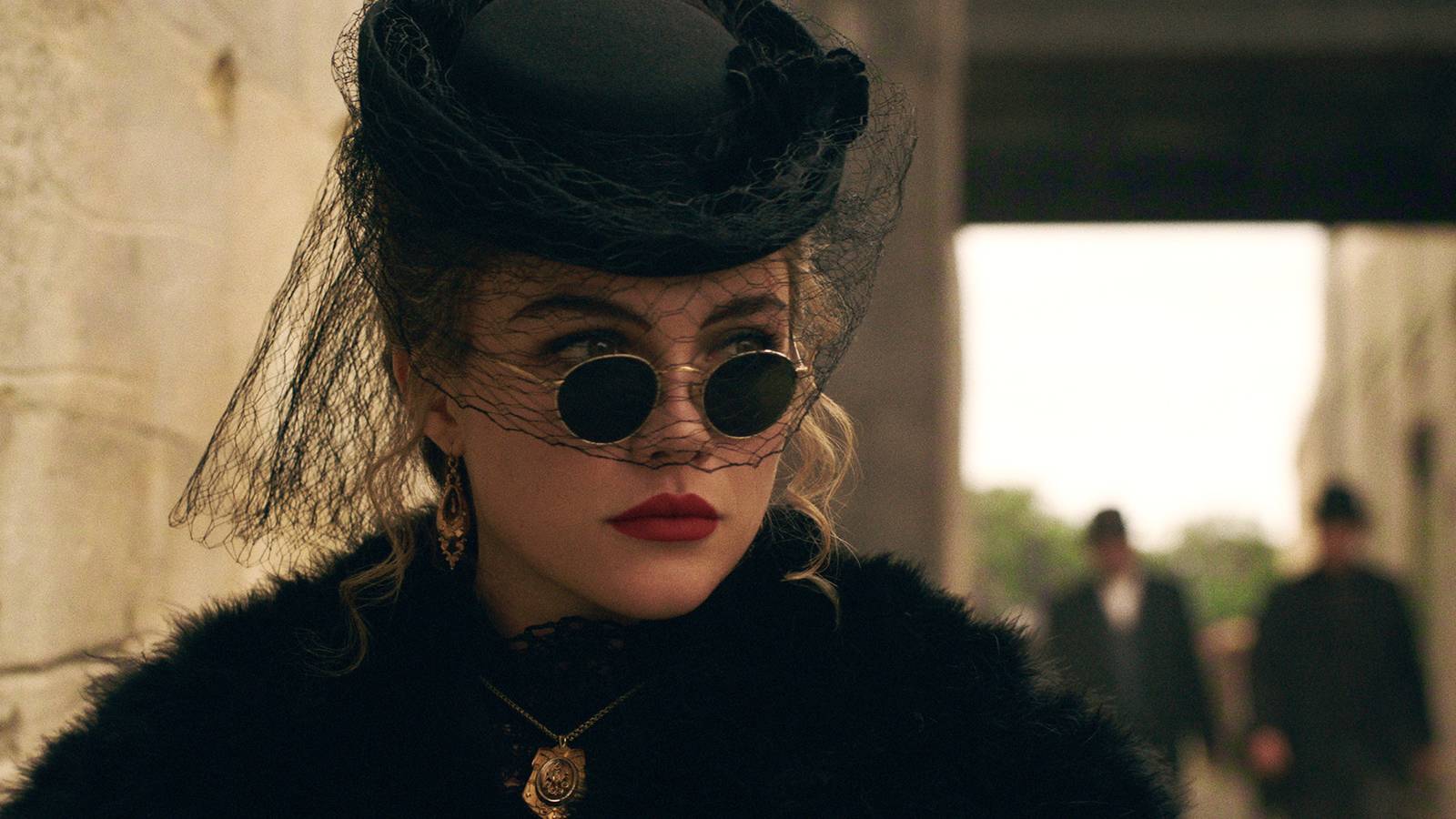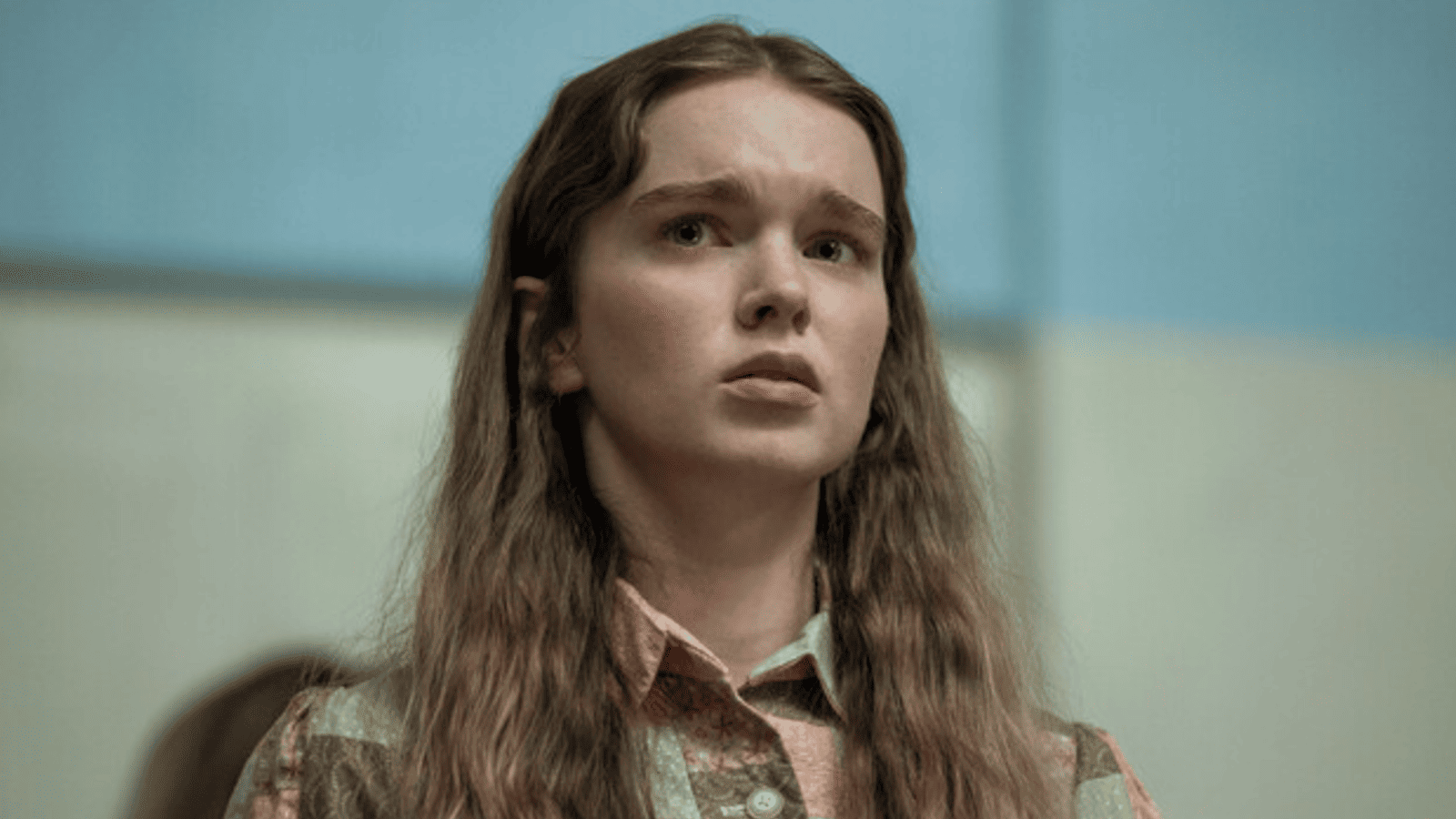
Nearly five decades after Brian De Palma's iconic film, Stephen King's Carrie has been reimagined for the streaming age. Mike Flanagan's Prime Video series follows the basic premise of the novel and the 1976 movie: a sheltered teenager, Carrie White (Summer H. Howell), is thrust into the horrors of high school after her father's death, with a court order forcing her mother, Margaret (Samantha Sloyan), to let her attend. The setting may have updated with smartphones and social media, but the cruelty of teenagers remains timeless. However, Flanagan's adaptation makes a crucial misstep that prevents it from reaching the heights of his best work.
A Documentary Twist That Dilutes the Horror
The most significant change is the series' documentary-style framing. Survivors of the infamous prom night massacre are interviewed shortly after the event, their testimonies woven throughout the narrative. This true-crime aesthetic initially feels like a stylistic flourish, but it soon becomes a vehicle for a larger, more ambitious expansion of King's mythos. The interviewer, Adelaide (Kate Siegel), is revealed to have her own supernatural abilities, and she takes a keen interest in Carrie's powers. By the finale, the series has introduced a new character, Emaline, who also possesses psychic gifts, and Adelaide's cryptic reference to the "shine"—a nod to The Shining—explicitly connects Carrie's story to a wider King universe, including The Institute and The Dark Tower.
The Prom Massacre Loses Its Emotional Punch
This expansion comes at a cost. The heart of Carrie is the prom massacre, a cathartic explosion of rage and pain after a lifetime of torment. In Flanagan's version, Emaline uses her powers to control Carrie's body, turning the carnage into a supernatural puppet show. This creative choice shifts the focus away from Carrie's devastating betrayal and breaking point, instead centering on the machinations of a larger cosmic plot. The result is a scene that feels less like a tragic climax and more like a setup for future installments, robbing it of its visceral impact.
A Recurring Flaw in Flanagan's Ambitious Projects
This isn't the first time Flanagan has stumbled when trying to expand a story beyond its original scope. The now-cancelled The Midnight Club attempted to cram lore from eight books into a single season, resulting in a convoluted narrative that juggled teen drama, ghost stories, and a mysterious cult. The ambitious conspiracy overshadowed the characters' personal grief, leaving the series feeling overstuffed and unfocused. In contrast, Flanagan's best work—like The Haunting of Hill House and Midnight Mass—thrives on constraint. These self-contained stories allow him to delve deeply into character psychology and emotional horror without the burden of universe-building.
The Power of Restraint
Flanagan's strength has always been his ability to find the human heart in horror. Hill House is a meditation on grief and family trauma, while Midnight Mass explores faith and doubt with a focused intensity. By tying Carrie to a sprawling King multiverse, he risks losing the intimate tragedy that makes the story resonate. The series' documentary format and expanded mythology may appeal to fans of King's interconnected universe, but they dilute the raw, personal horror that made the original so enduring.
As Carrie's record-breaking viewership proves, audiences are hungry for King adaptations. But Flanagan's misstep here is a reminder that bigger isn't always better. His upcoming Clayface film might benefit from a more focused approach. For now, Carrie stands as a cautionary tale about the dangers of over-expansion, even for a master of horror.