For those who endured the uneven first season of Marshals, the sophomore outing is a welcome course correction. The CBS drama, starring Luke Grimes as Kayce Dutton, returns with a clearer sense of purpose, leaning into its procedural roots while finally addressing the cliffhanger that left fans buzzing. Creator Spencer Hudnut, known for his work on SEAL Team, has sharpened the show's edge, delivering a season that feels more confident and less reliant on the soapy tropes that bogged down its debut.
The premiere, "All Hat No Cattle," wastes no time reigniting the fire in Kayce when his son Tate (Brecken Merrill) finds himself in danger. It's a moment that harkens back to the intensity of Yellowstone, reminding viewers why Grimes was such a standout in that universe. But Marshals isn't trying to be Yellowstone—it's carving its own lane as a network procedural, and this season, that lane feels more defined. The show still dips into melodrama, but it no longer lives there, allowing storylines to simmer rather than boil over.
One of the most noticeable improvements is the pacing. The second episode settles back into the familiar rhythm of the team at the Bullet 'N Barrel Saloon, but the emotional beats are handled with more restraint. Secrets and personal demons still haunt the characters, but they're not telegraphed as heavily as before. The dynamic between Cal (Logan Marshall-Green) and Belle (Arielle Kebbel) continues to develop with a respectful tension, while Andrea (Ash Santos) gets more room to breathe. It's a more mature approach that suggests the show has learned from its early missteps.
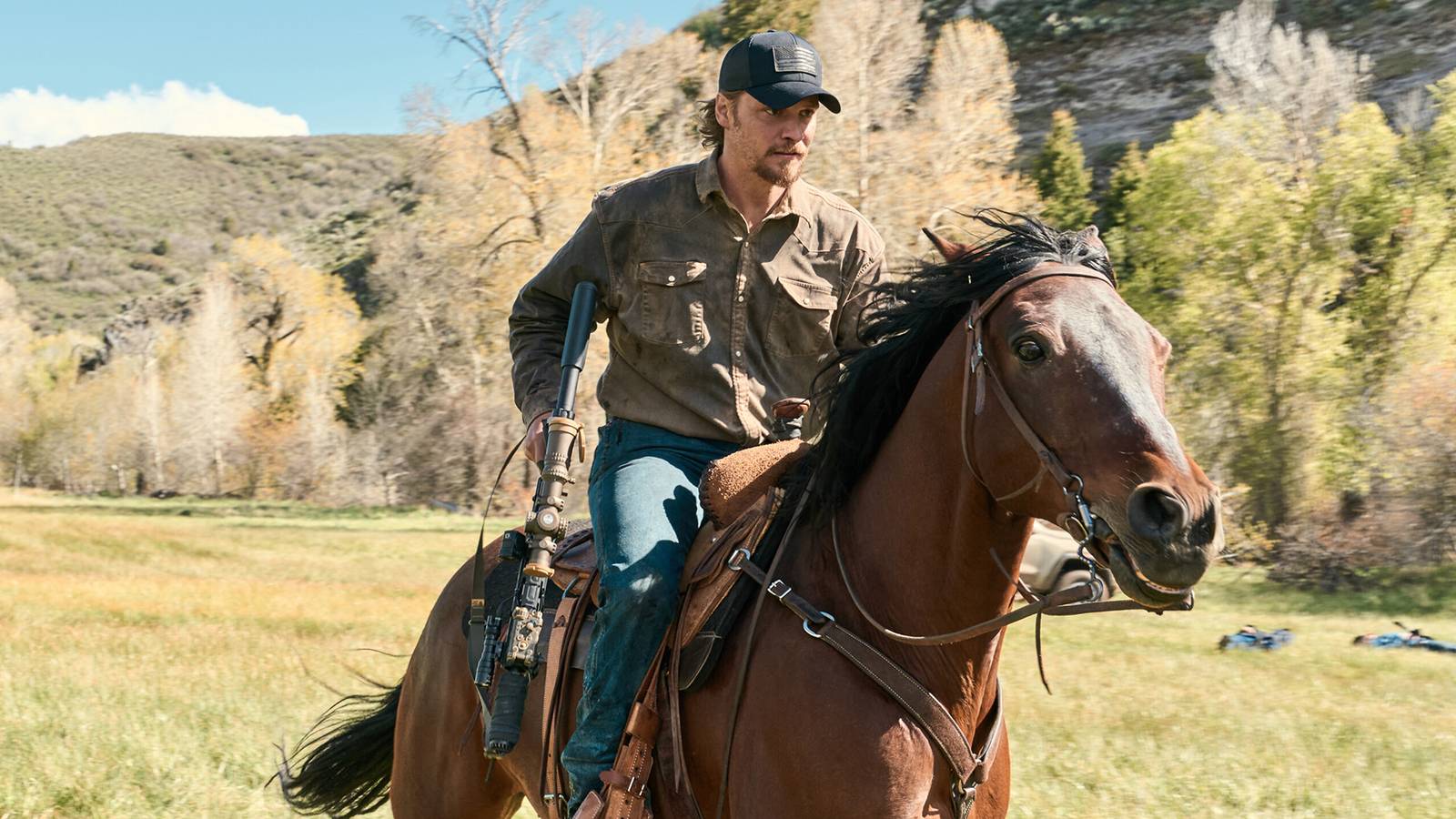
Action is another area where Marshals steps up its game. The premiere alone features some of the most thrilling sequences the series has delivered, with a climax that will keep casual CBS viewers on the edge of their seats. While it's not as gritty as Kayce's past exploits, the gunplay is pulse-pounding and showcases Hudnut's action pedigree. For a show centered on a man like Kayce, this is essential—he can't just be a desk-bound marshal; he needs moments that remind us of his dangerous past.
At the heart of it all is Luke Grimes, who continues to anchor the series with a performance that balances vulnerability and steel. This season, Kayce is learning to be a father in ways John Dutton never was. With Tate now 18 and asserting his independence, Kayce faces tough choices that force him to grow. Grimes handles the single-father dynamic with nuance, and his scenes with Merrill are among the show's best. It's a refreshing direction that sets Marshals apart from its predecessor, even as it occasionally stumbles into similar plot conveniences.
The supporting cast remains strong, though Gil Birmingham is still underutilized—a crime given his talent. Grimes shares compelling chemistry with Marshall-Green, whose character's cancer battle adds a layer of mortality to the proceedings. Cal's rocky relationship with his daughter serves as a cautionary tale for Kayce, while Tate represents the present slipping away. The show wisely uses these relationships to deepen Kayce's journey, even if it can't always focus solely on him due to its ensemble nature.
For fans of action-packed storytelling, Marshals delivers enough thrills to satisfy. It's not trying to reinvent the wheel, but it's found a groove that works. If you're looking for a family drama with a Western twist, this spin-off offers a compelling take on legacy and redemption. And for those who enjoy modern action series, the show's increased stakes are a welcome upgrade.
Ultimately, Marshals Season 2 is a step in the right direction. It's not prestige TV, but it doesn't need to be. It's a solid network procedural with a charismatic lead and a clearer vision. If you can accept it on those terms, you'll find plenty to enjoy. Just don't expect Yellowstone—this is Kayce's own story, and it's finally finding its voice.