On February 28, 1983, television history was made in a way that has never been replicated. The series finale of M*A*S*H, titled "Goodbye, Farewell and Amen," wasn't just a show ending—it was a national event. An astonishing 106 million Americans gathered around their television sets, representing over 60% of all U.S. households with a TV. To put that in perspective, that's more people than the entire population of Italy tuning in simultaneously. In the decades since, despite massive cultural phenomena and global hits, no scripted series finale has come close to matching that viewership milestone.
A Cultural Moment That Transcended Television
What made this gathering so remarkable was the era in which it happened. In 1983, television was dominated by three major networks, with no streaming services, DVRs, or on-demand options. If you wanted to be part of the conversation, you had to watch when it aired. The night of the finale, competing networks essentially surrendered—viewers weren't flipping channels because there was nowhere else to go. This created a rare, unified cultural experience that modern television, with its scattered release schedules and platform fragmentation, simply cannot replicate.

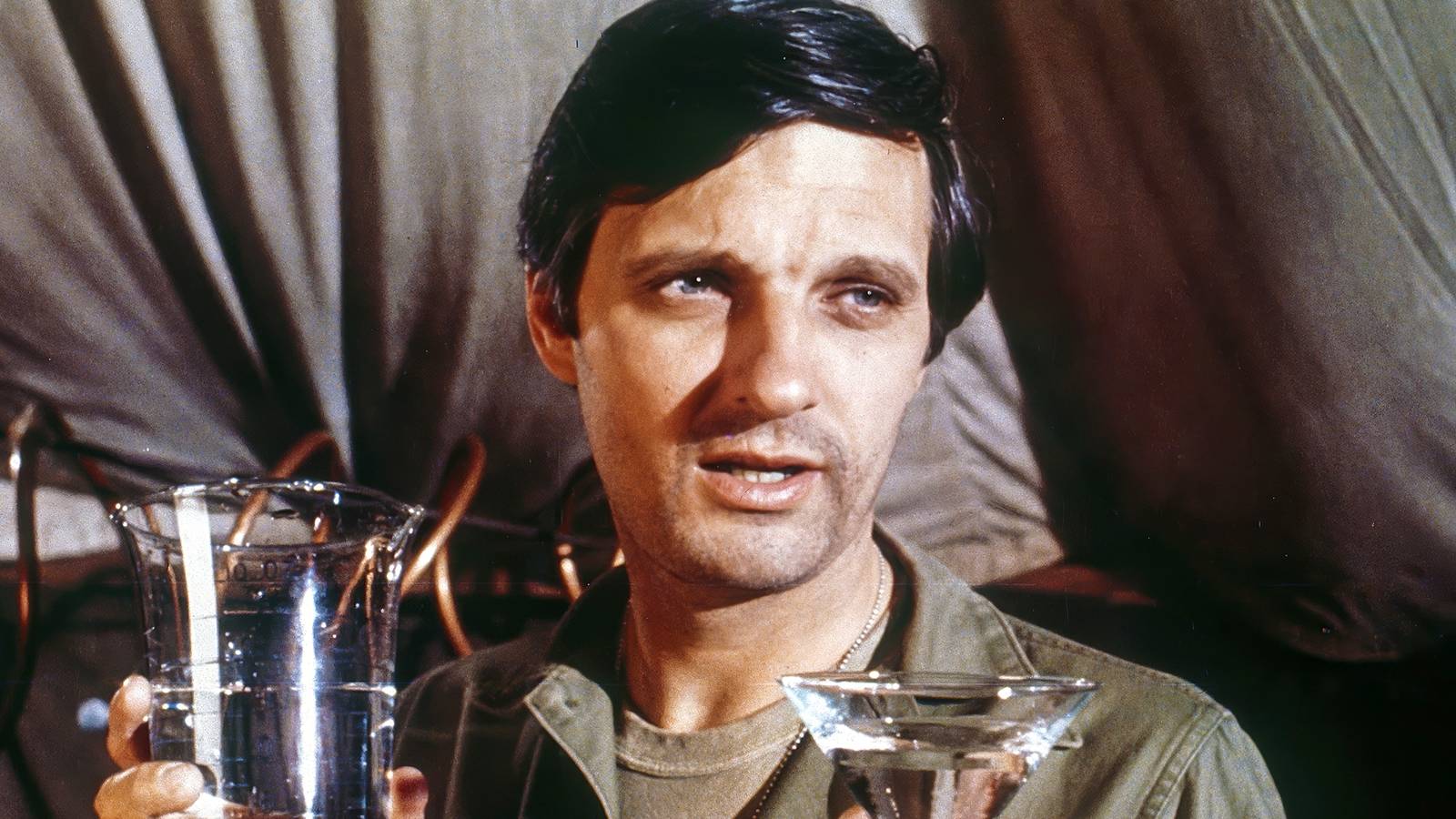
The episode itself was a masterclass in emotional storytelling. Spanning two and a half hours, "Goodbye, Farewell and Amen" followed the final days of the Korean War for the staff of the 4077th Mobile Army Surgical Hospital. While framed as a war comedy, the series—and particularly its finale—skillfully balanced humor with profound human drama. The central storyline involved Captain Benjamin Franklin "Hawkeye" Pierce (Alan Alda) confronting a traumatic memory that unravels into a psychological breakdown, a sequence that remains powerful and unsettling decades later.
An Ensemble's Emotional Send-Off
Around Hawkeye's crisis, the other characters received their own poignant conclusions. Father Mulcahy grappled with losing his hearing, while the aristocratic Major Charles Winchester faced the loss of music as a refuge after it became entangled with death. The episode was threaded with the recurring motif of Mozart's Clarinet Quintet, which transformed from a comforting melody into a haunting reminder of what each character would carry home from the war. The final image—a helicopter lifting off as "GOODBYE" remains etched in the ground below—has become an iconic television moment that still resonates with viewers.
This kind of ambitious, character-driven storytelling continues to influence television today. Modern series finales, from "High Potential" to "Shrinking," strive to deliver satisfying conclusions that honor their characters' journeys. Even shows like "Murdoch Mysteries" and anticipated events like "Daredevil: Born Again" aim to create memorable final chapters, though within a completely different media landscape.
Why The Record Will Likely Stand Forever
When examining the list of most-watched U.S. broadcasts, M*A*S*H's finale stands as the lone scripted entry among a sea of Super Bowl broadcasts. Today, even the most buzzed-about series finales are consumed across multiple platforms and timelines—some viewers watch immediately, others catch up weeks later, and many never experience them at all. The shared, simultaneous viewing experience that propelled M*A*S*H to 106 million viewers has largely evaporated.
The series succeeded because it trusted its audience to sit with discomfort, to laugh in unexpected places, and to feel the emotional weight long after the credits rolled. That storytelling power hasn't disappeared—it's evident in today's acclaimed series—but its ability to gather a nation in a single moment has. The 1983 finale was a perfect storm of cultural relevance, limited alternatives, and genuine affection for characters audiences had spent eleven seasons with.
As television continues to evolve into an increasingly personalized, on-demand medium, M*A*S*H's viewership record remains a fascinating artifact of a bygone era. It serves as a reminder of television's unique power to create collective cultural moments—a power that, while diminished in scale, still drives creators to craft finales that resonate, even if they'll never be watched by 106 million people at the same time.