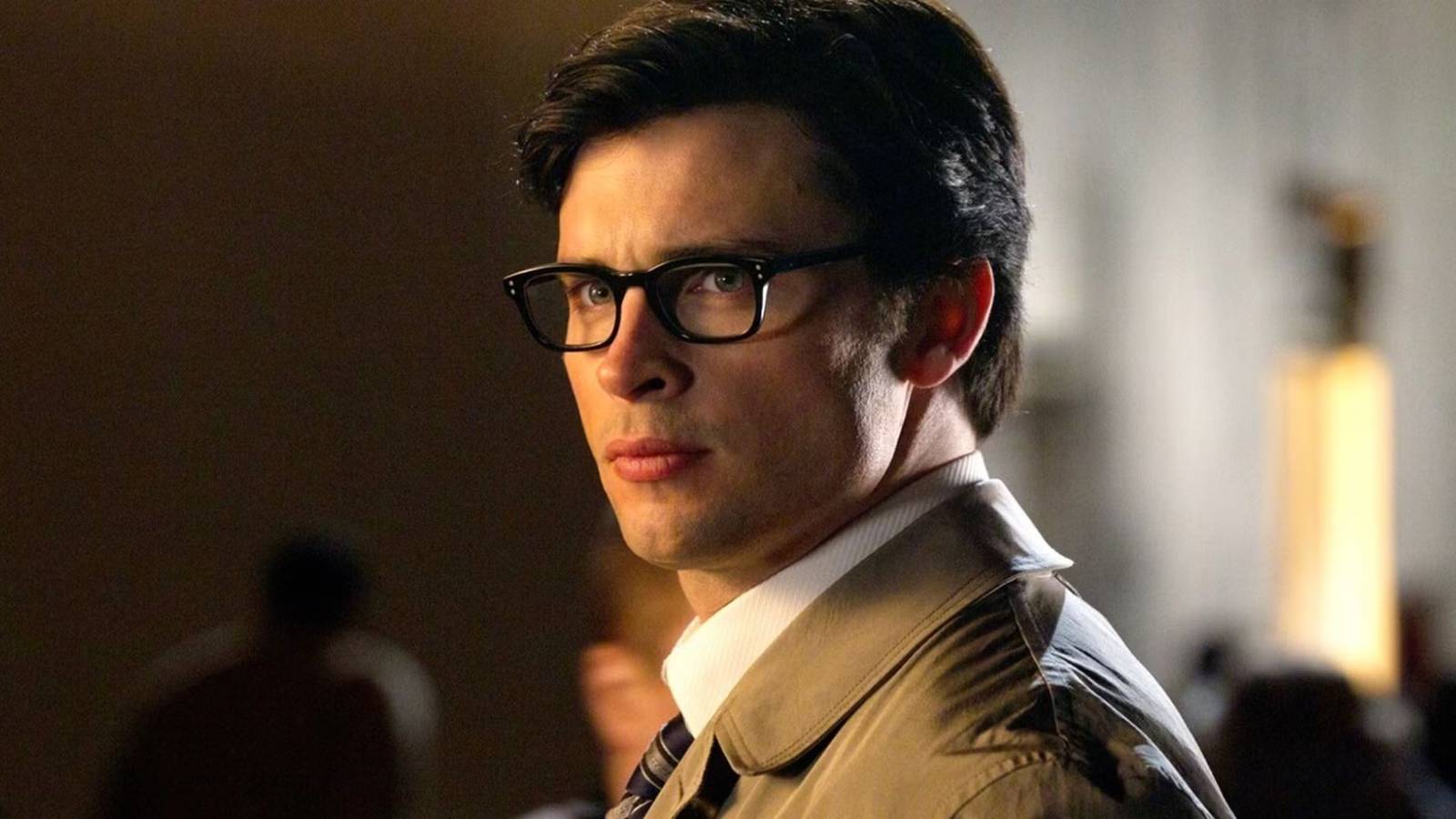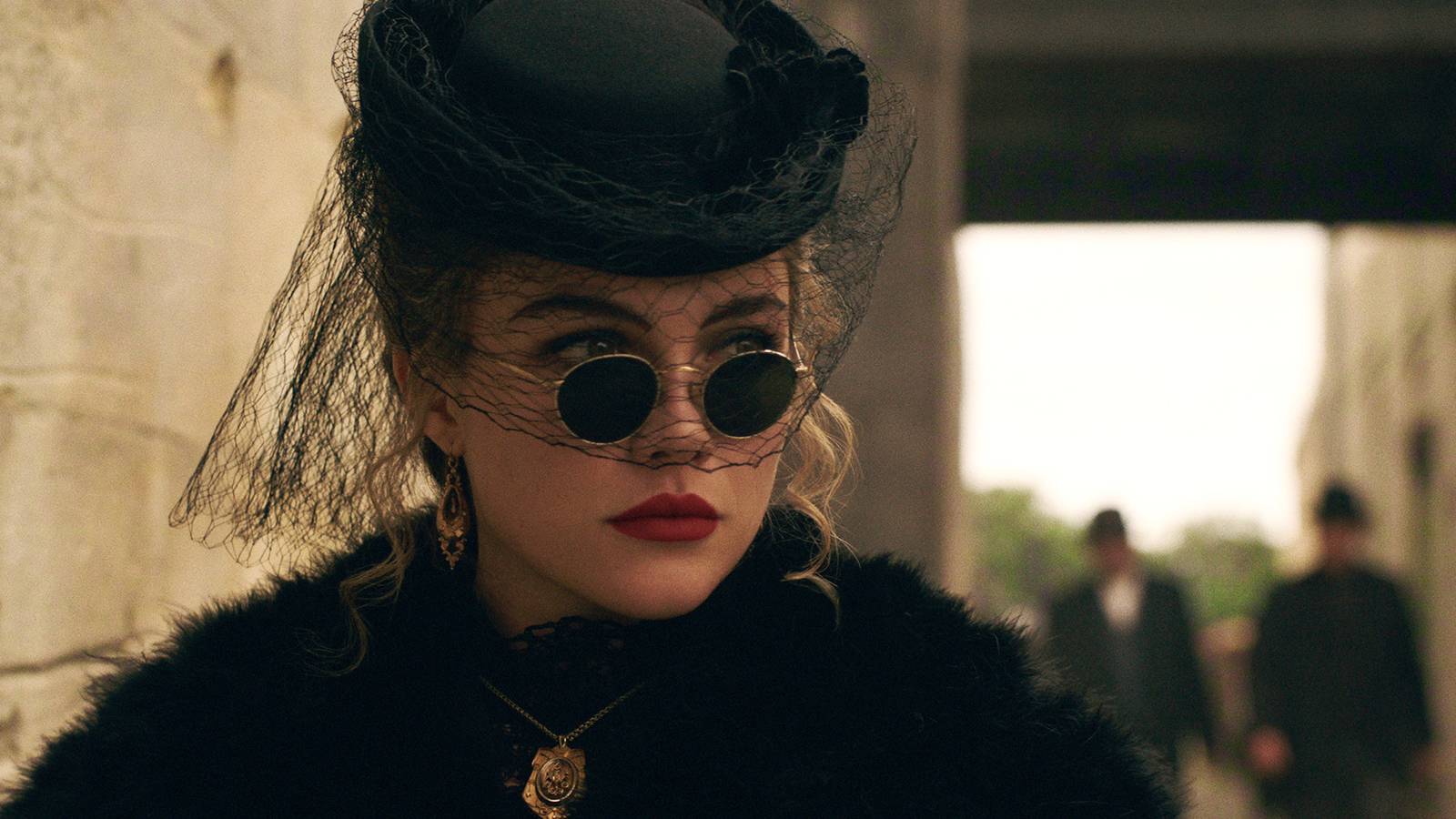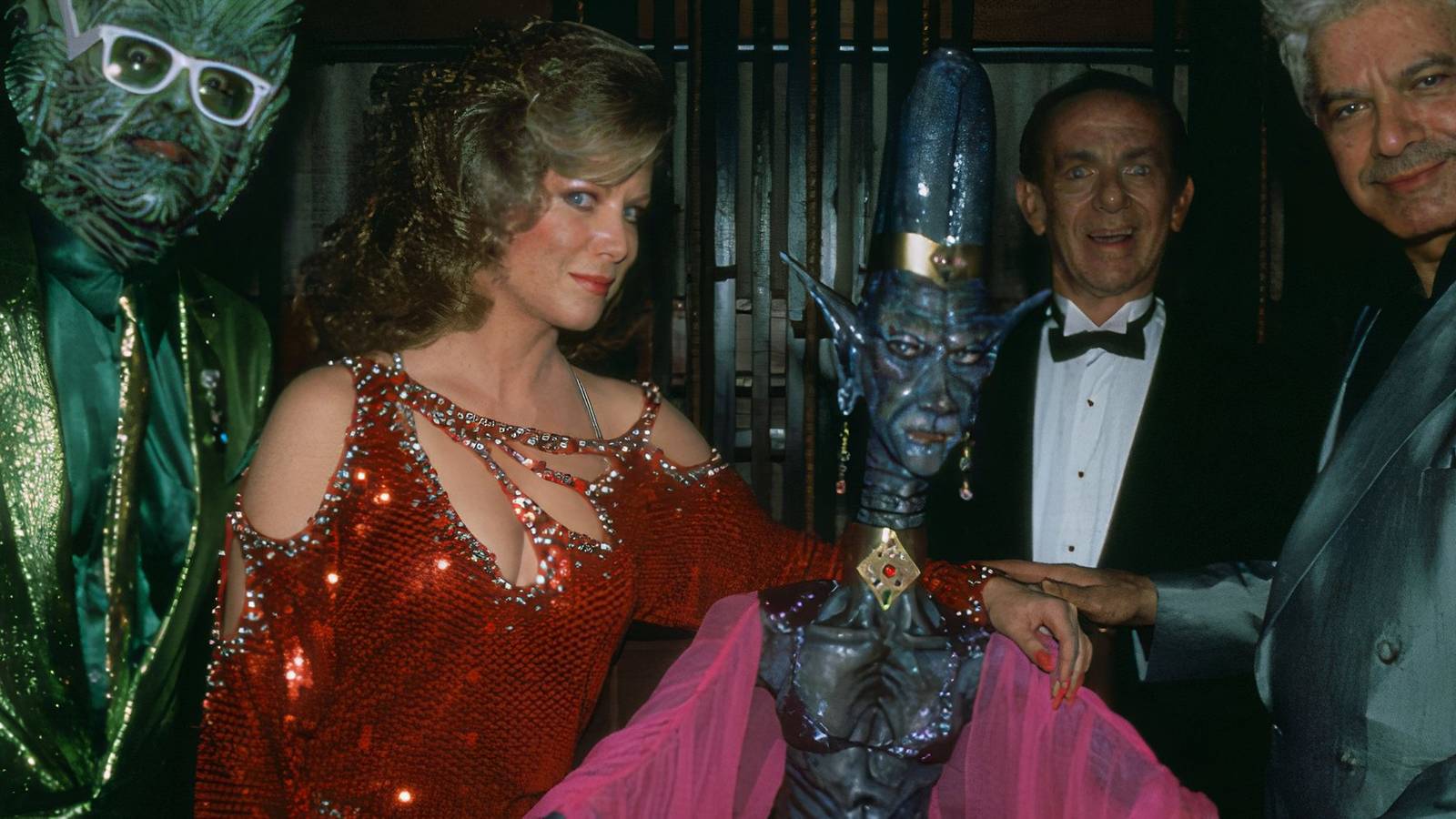
Long before fantasy dominated our streaming queues, the 1980s served as a daring, often overlooked testing ground for the genre on television. Without today's on-demand access, many of these inventive series—blending magic with sitcoms, romance, and animation—simply faded from view after their final episodes aired. They represent a fascinating era of experimentation, and for dedicated fantasy fans, they're hidden treasures waiting to be rediscovered.
The Charmings (1987–1988)
Imagine Snow White and Prince Charming, ripped from their storybook and dropped into a California suburb. That's the delightfully absurd premise of this short-lived sitcom. The family grappled with wicked witches and mundane suburban life over just 21 episodes. While its low ratings led to a quick cancellation, the show developed a cult following for its fish-out-of-water humor and genuine heart. It's a quirky time capsule for anyone who loves fairy tales with a modern twist.
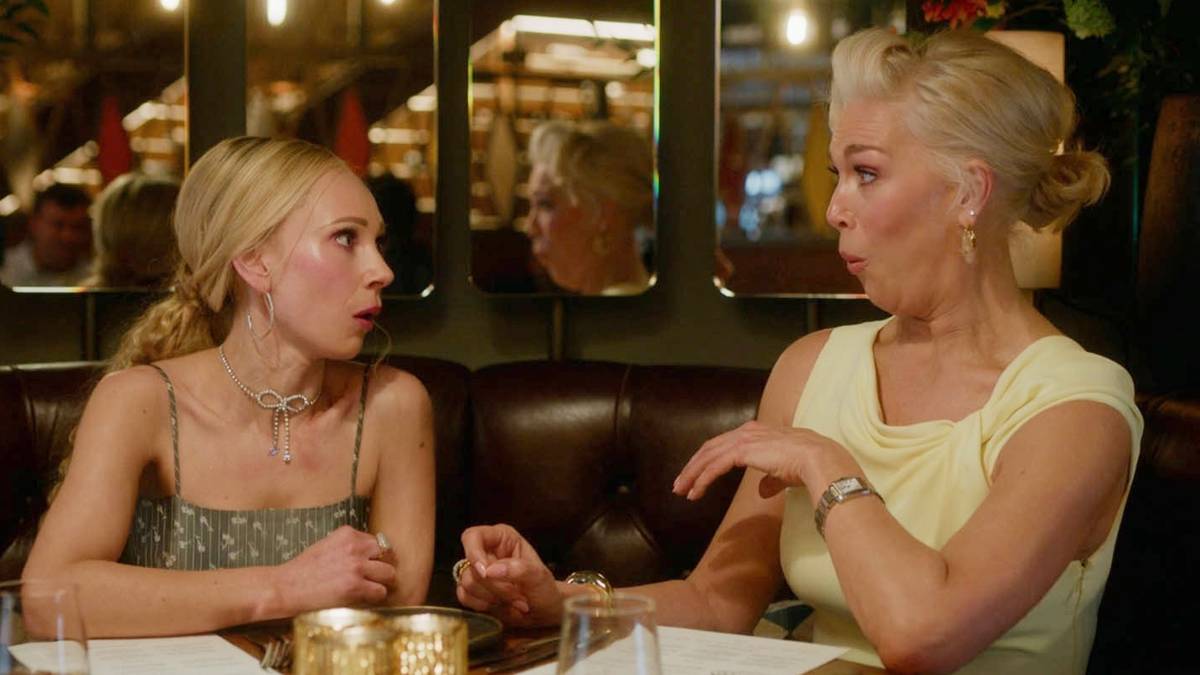
Thundarr the Barbarian (1980–1981)
This animated series presented a wildly imaginative mash-up: a post-apocalyptic Earth, 2000 years in the future, where magic and monsters reign amid the ruins of our civilization. Following the heroic Thundarr and his companions, the show featured surprisingly complex plots for its time and stunning visuals of familiar landmarks in decay. It's a prime example of the era's ambitious storytelling, perfect for fans of overlooked animated series that blend genres.
Galtar and the Golden Lance (1985–1986)
Produced by animation powerhouse Hanna-Barbera, this syndicated adventure often gets lost next to titans like The Jetsons. It followed a band of warriors using magical weapons to battle an evil usurper. Unusually for its studio, the series featured ongoing storylines and continuity between episodes, building a richer narrative world. Sadly, it was canceled before its saga could reach a proper conclusion, leaving it as a compelling, unfinished epic.
She-Ra: Princess of Power (1985–1987)
While her brother He-Man became a cultural icon, She-Ra's spin-off series never achieved the same legendary status—and that's a shame. Designed to bring the Masters of the Universe action figure line to a female audience, the show was a pioneering effort in female-led fantasy animation. Its themes of empowerment and rebellion have aged remarkably well, making it a fascinating companion piece to the more famous franchise. It stands as a fantasy visual artifact worthy of reassessment.
Highway to Heaven (1984–1989)
This heartfelt drama starred Michael Landon as an angel on Earth, teaming up with a retired policeman (Victor French) to perform good deeds. The genuine, off-screen friendship between the two leads translated into incredible on-screen chemistry, selling the show's wholesome, hopeful message. While angel-themed shows became more common later, Highway to Heaven was a trailblazer, offering a fantasy-tinged drama that focused on human connection and kindness over special effects.
The remaining entries on our list continue this tour through television's forgotten magical realms. They include anthology series that twisted everyday life into the fantastic, and live-action adventures that pushed the boundaries of pre-CGI production. Each one contributed a unique thread to the tapestry of 1980s fantasy.
What makes these shows so compelling today is their raw creativity. Without billion-dollar franchises to lean on, writers and producers took big swings with unconventional ideas. They blended genres freely, resulting in shows that are sometimes uneven but always interesting. In an era of safe reboots, their boldness feels refreshing.
Rediscovering these series offers more than nostalgia; it provides context for the fantasy television we enjoy now. Many modern tropes and storytelling techniques were being workshopped in these very episodes. For viewers tired of the familiar, these overlooked gems offer a portal to a different, daring era of television imagination. Their disappearance from common memory isn't a verdict on their quality, but an accident of time and technology—one that's now possible to correct.