When it comes to sci-fi franchises, Star Trek has long been the gold standard, with its many spin-offs and movies exploring the final frontier. But one thing the Star Trek universe has rarely tackled is the intimate dynamics of a family unit. Sure, the crews of the Enterprise or Deep Space Nine form their own makeshift families, but those sprawling starships and space stations are too vast to delve into the nuances of parental struggles, sibling rivalries, or the bonds that tie a household together. That's where Netflix's Lost in Space shines, and it's why the reboot continues to pull in massive numbers—41 million viewing hours in 2026 alone, even eight years after its premiere.
A Classic Reimagined
The original Lost in Space debuted in 1965, inspired by Johann David Wyss's novel The Swiss Family Robinson. It followed the Robinson family—astrophysicist John, biochemist Maureen, and their children Judy, Penny, and Will—as they embarked on a five-and-a-half-year journey to a planet near Alpha Centauri, hoping to help solve Earth's overpopulation crisis. Along for the ride were Major Don West and, inadvertently, the saboteur Dr. Zachary Smith, whose treachery sent them careening off course.
Initially, the series was a gripping survival drama, a serious take on its literary source. It was imaginative, family-friendly, and influential, introducing tropes like the robot sidekick and the child prodigy. But as the show progressed, it leaned into camp, with Dr. Smith's cowardly schemes and Will and the Robot's antics taking center stage. The dated costumes and cheesy sets only added to its charm, but what truly made it special was the sense of a family pulling together.
Netflix's Modern Take
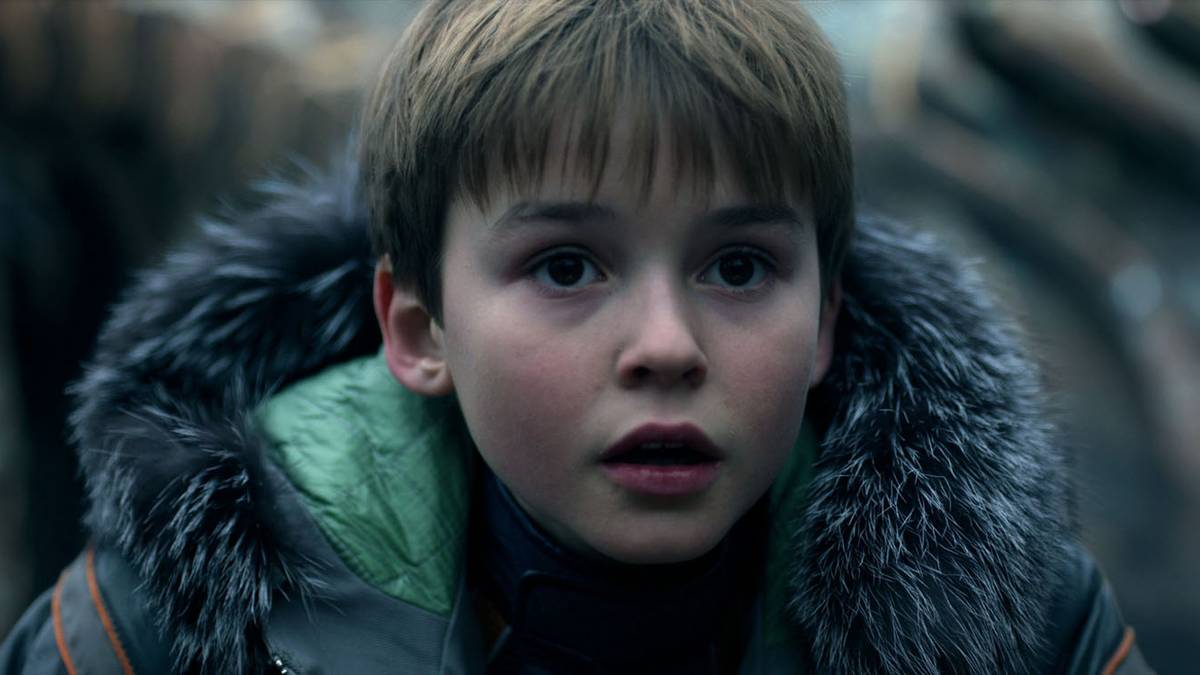
When Netflix rebooted Lost in Space in 2018, it stripped away the corniness and updated the gender dynamics, but wisely kept the family at its core. The Robinsons are more than just a gimmick; they're the heart of the series. Maureen (Molly Parker) is an aerospace engineer and mission commander, while John (Toby Stephens) is a former Navy SEAL. Judy (Taylor Russell) is a teenage doctor, Penny (Mina Sundwall) is a rebellious creative, and Will (Maxwell Jenkins) is the tech prodigy who forms a bond with an alien robot (Brian Steele) instead of the ship's own.
The supporting characters also get richer treatments. Don West (Ignacio Serricchio) starts as a smuggler with a lucky chicken named Debbie, but evolves into a trusted ally. Dr. Smith is reimagined as Dr. Zoe Smith, played with chilling brilliance by Parker Posey, a far cry from the bumbling villain of the original.
With its blend of humor, adventure, and real stakes, Lost in Space honors its predecessor while feeling fresh and exciting. It's no wonder it remains a favorite, even as Netflix's lineup continues to expand. The show's enduring appeal is a testament to its focus on family—something that resonates across generations.
If you're looking for more binge-worthy sci-fi, check out Netflix's best short series or see what's coming to the streamer in December. And for those who love a good survival story, Dark Winds offers a different kind of tension.
So, while Star Trek may have its starships and phasers, Lost in Space has something more relatable: a family navigating the cosmos together. And with 41 million hours watched in 2026, it's clear that audiences still can't get enough of the Robinsons' adventures.