Some movies are born classics, but others have to fight for every frame. Tombstone (1993) is firmly in the second camp. The Western, starring Kurt Russell as Wyatt Earp, faced a rival biopic, a mid-production director change, and a chaotic schedule that would have sunk a lesser production. Yet, against all odds, it emerged as one of the genre's most beloved films—and now, in November 2026, it's riding high on Vudu's streaming rental charts, proving that its legend only grows with time.
A Legendary Lawman's Last Stand
Set in 1879, the film follows Wyatt Earp as he arrives in the booming town of Tombstone, Arizona, hoping to retire and strike it rich with his brothers. But his reputation as a lawman precedes him, and the townsfolk soon plead for his help against a ruthless gang of outlaws known as the Cowboys. Initially reluctant, Earp is drawn into a violent confrontation after the gang targets those he loves, leading to the infamous shootout at the O.K. Corral and a bloody vendetta that would cement his place in history.
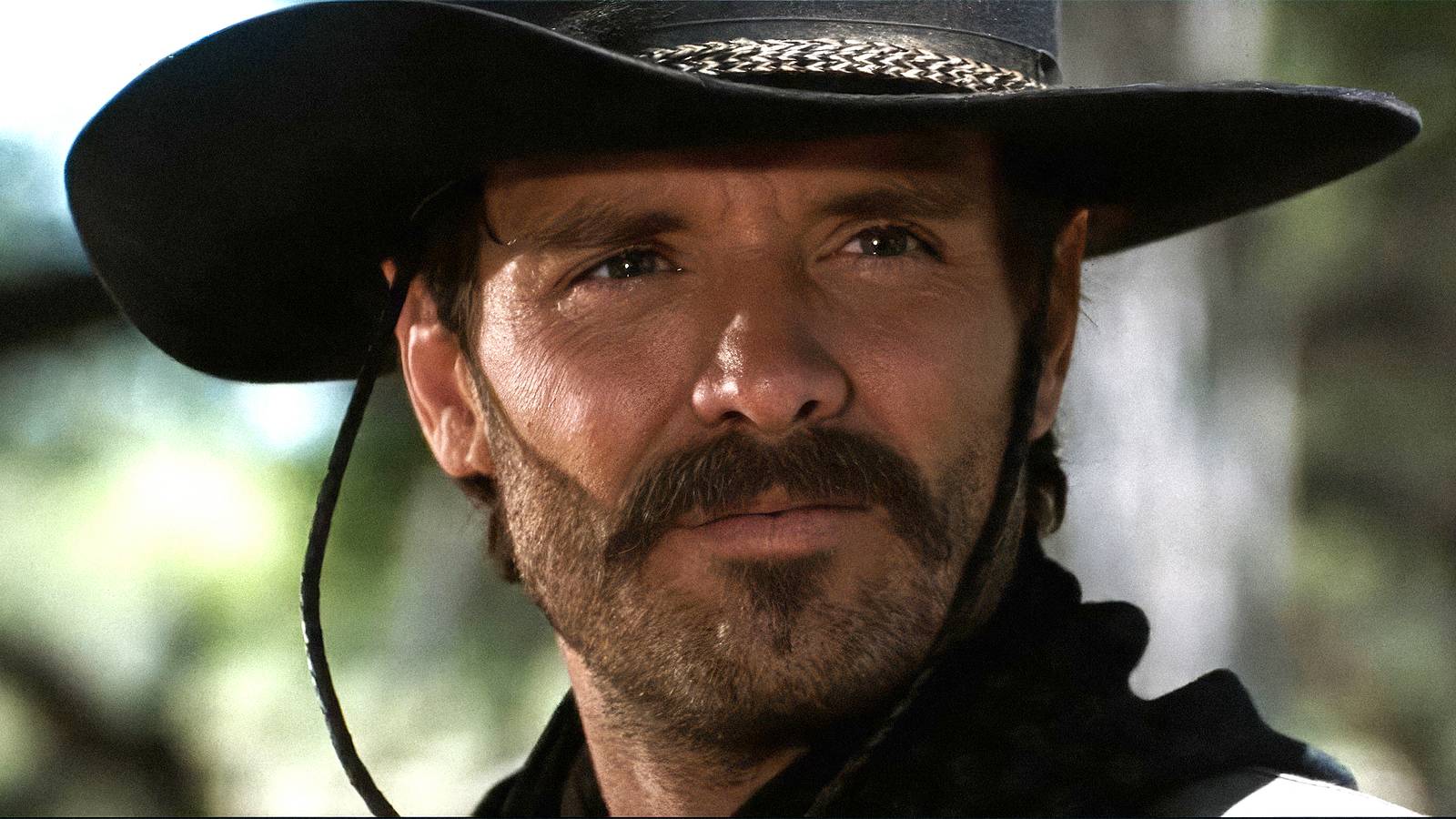
The film boasts an ensemble cast that includes Val Kilmer as the tubercular gambler Doc Holliday, alongside Bill Paxton, Sam Elliott, and a cameo from Charlton Heston. But its path to the screen was anything but smooth. Kevin Costner, who was originally attached to star, left to make his own Wyatt Earp film, and reportedly made it difficult for Tombstone to secure distribution. That was just the beginning of the production's woes.
Kurt Russell's Secret Directorial Hand
Just a month into shooting, original director Kevin Jarre was replaced by George P. Cosmatos, reportedly due to the overwhelming schedule. Years later, Russell revealed that he effectively "ghost directed" the film, providing shot lists and instructions for Cosmatos to execute. While accounts differ, all agree that Russell was the creative engine that kept the production alive. The late Val Kilmer wrote in 2017, "I watched Kurt sacrifice his own role and energy to devote himself as a storyteller, even going so far as to draw up shot lists to help our replacement director."
That dedication paid off. The finished film is a masterclass in tension, with the O.K. Corral sequence standing as one of the greatest shootouts ever put on screen. And then there's Kilmer's Doc Holliday—a performance that remains a benchmark for supporting roles in Westerns, blending wit, menace, and tragic nobility.
Kilmer's Collaborative Genius
Kilmer's contribution went beyond acting. He and Russell lived together during the shoot, rewriting scenes and tightening the script each night. "I got all the best lines, and he knew it and still laughed and joked every single day," Kilmer wrote. Indeed, Doc gets the most quotable lines, including the iconic "I'm your Huckleberry." But the performance is more than one-liners; it's a fully realized character whose arc from ailing scoundrel to selfless hero becomes the film's emotional core.
At the time, Kilmer was at the height of his stardom, fresh off hits like Top Gun and The Doors. His Doc Holliday showcased a depth that would later be overshadowed by his turn as Batman, but for many, this remains his finest hour. The film's success also outshone Costner's Wyatt Earp, both critically and commercially, cementing its status as the definitive take on the legend.
Now, more than three decades later, Tombstone is finding a new audience on Vudu, where it's climbing the rental charts. It's a testament to the film's enduring appeal—and a reminder that sometimes the greatest stories are the ones that had to fight to be told. For those who haven't seen it, or who want to relive the magic, it's the perfect time to saddle up. And if you're in the mood for more Western classics, check out our list of the greatest classic American movies.