When you think of Stanley Kubrick's science fiction, 2001: A Space Odyssey usually springs to mind—a monumental, cerebral journey through space and time. But just three years later, Kubrick delivered a very different kind of sci-fi: A Clockwork Orange. This dystopian crime film, adapted from Anthony Burgess's 1962 novel, swapped the cosmic for the brutally human, and its final line has lost none of its power over the past 55 years.
The film follows Alex DeLarge (Malcolm McDowell), a charismatic yet deeply violent young man who, with his "droogs," terrorizes a near-future Britain. After a betrayal leaves him arrested, Alex faces a choice: remain in prison or undergo the experimental Ludovico technique, a form of aversion therapy designed to cure him of his violent impulses. The procedure works—sort of—but it also leaves him defenseless against the very people he once victimized, setting the stage for a harrowing cycle of revenge.
The Final Line That Defines the Film
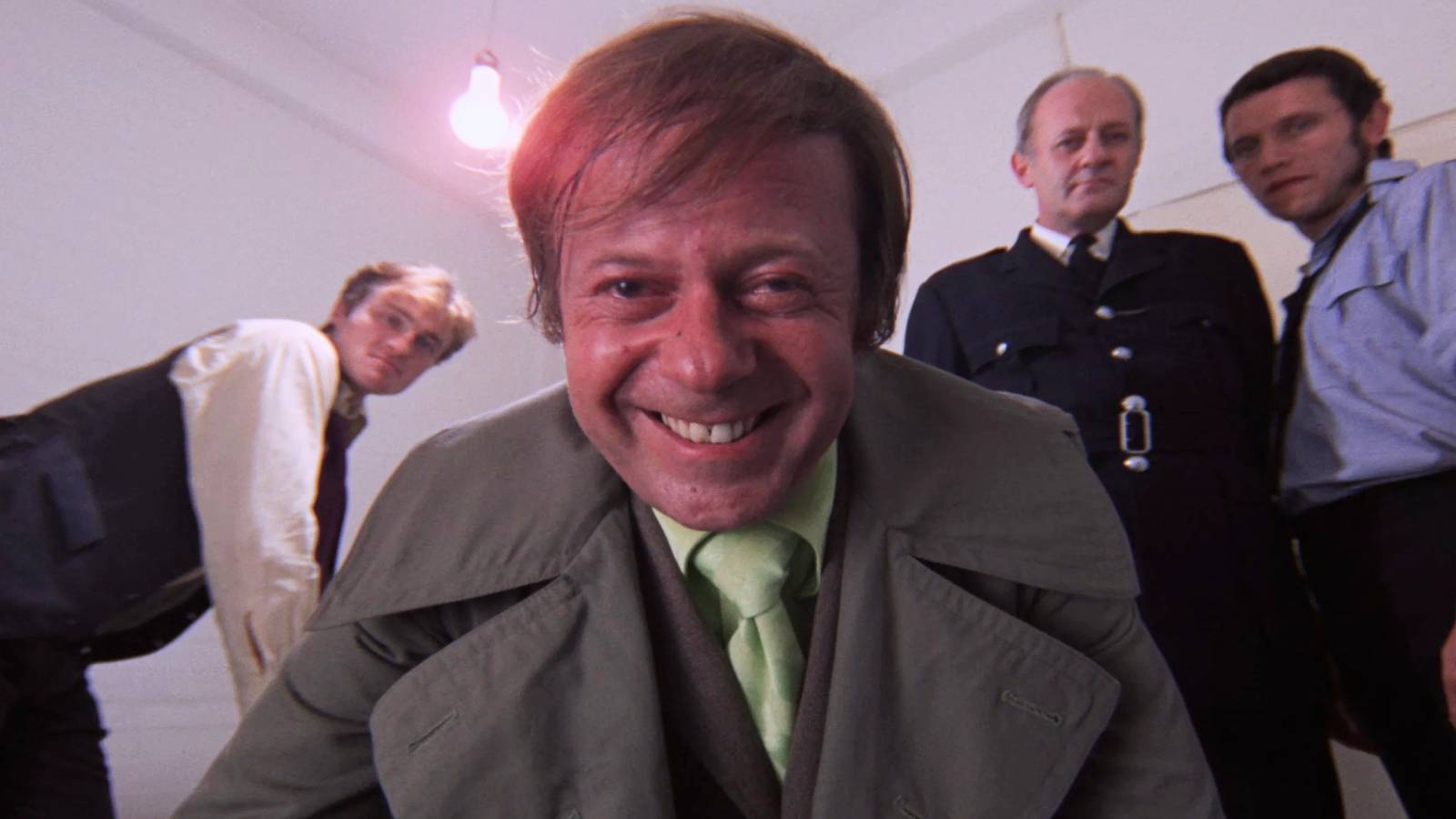
As the film closes, Alex's voiceover delivers the now-iconic line: "I was cured, all right." It's a statement that, in Kubrick's hands, becomes a chilling declaration of his return to his old ways. The nausea that once accompanied thoughts of violence—and Beethoven's Ninth Symphony—has vanished, and Alex is free to embrace his former self. The film ends with a cynical flourish: Alex surrounded by smiling faces, both real and imagined, as "Singin' in the Rain" plays over the credits, a haunting callback to the film's most disturbing scene.
This ending is a deliberate departure from Burgess's novel. The American edition, which Kubrick used for his screenplay, omitted the final chapter, in which an older Alex begins to question his life of crime. Kubrick, aware of the chapter, chose to ignore it, believing it didn't fit the film's tone. The result is a more nihilistic conclusion, one that suggests the state's "cure" has only made things worse, turning Alex into a martyr for his own twisted cause.
Why the Line Still Resonates
In the novel, "I was cured, all right" appears in the penultimate chapter, followed by hints of redemption. But in the film, it's the final word—a bitter, ironic punchline that underscores the film's bleak worldview. Kubrick's emphasis transforms the line from a simple statement into a commentary on the futility of forced reform and the cyclical nature of violence. It's a quote that has earned its place among the greatest in sci-fi, not just for its delivery but for the weight it carries.
Fifty-five years on, A Clockwork Orange remains a touchstone of dystopian cinema, and its final line continues to provoke thought and debate. It's a reminder that sometimes the most powerful sci-fi isn't about spaceships or aliens, but about the dark corners of the human soul. For those who appreciate the genre's ability to hold a mirror to society, this is a moment that still stings—and that's exactly why it endures.