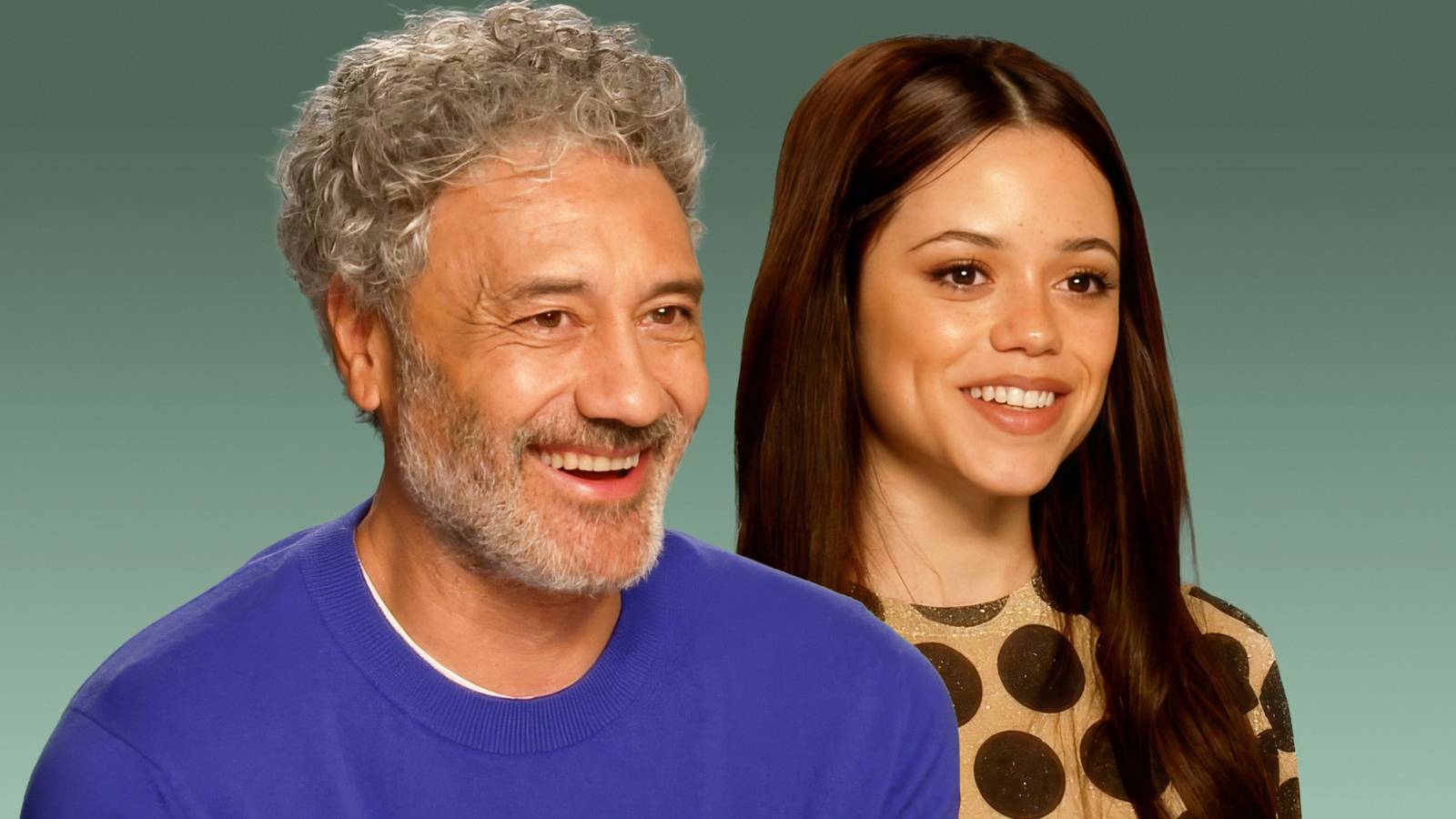
What truly defines humanity, and could technology ever replicate it? That's the haunting question at the core of Klara and the Sun, the film adaptation of Kazuo Ishiguro's acclaimed 2021 novel, now brought to life by director Taika Waititi. Set in a future where genetic engineering has split society, the story follows Klara (Jenna Ortega), a solar-powered Artificial Friend designed to ease the loneliness of teenagers. When she's purchased for Josie (Mia Tharia), a young girl suffering from the side effects of being "lifted," Klara embarks on a journey to understand the messy, beautiful, and often baffling world of humans.
From the moment she's unboxed, Klara is a sponge, absorbing the behaviors of Josie and her mother Chrissie (Amy Adams). She mimics gestures, misreads social cues, and delivers deadpan observations that land as both hilarious and heartbreaking. The film walks a tightrope between comedy and tragedy, a balance Waititi knows well. "Sometimes you get cuts of a film that are all jokes, but you can't connect with the characters," he explains. "Other times it's all drama and you've lost the spice." His solution? Experimentation on set, trying scenes in wildly different tones to find the sweet spot.
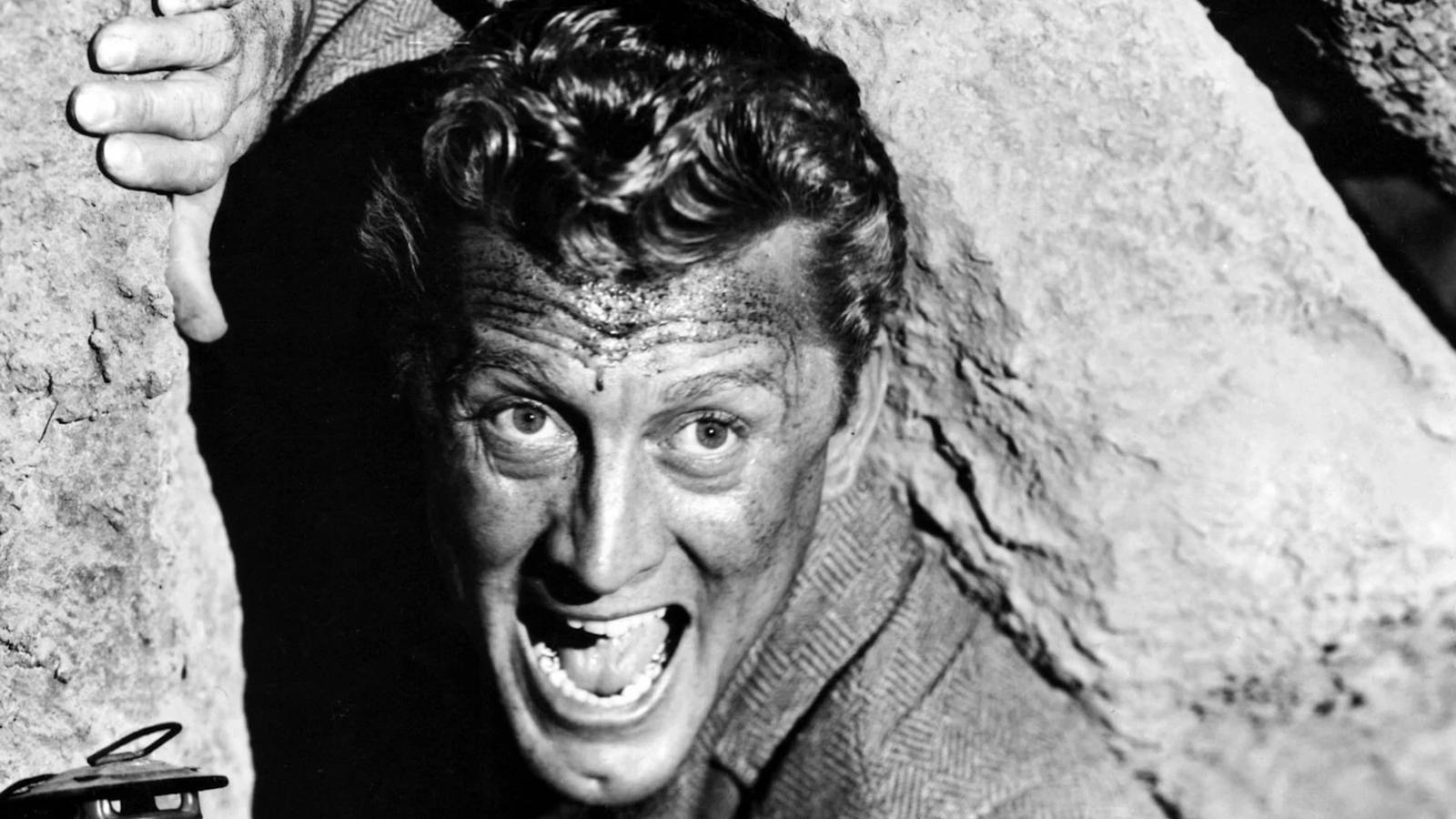
For Ortega, Klara's physicality was key. The character's awkward movements—standing on one leg when excited, sliding down stairs on her stomach—owe a debt to silent film legend Buster Keaton. "A big reference for us was Buster Keaton," Ortega says. "There's so much in the script: Klara falls over, Klara trips, Klara runs into a wall." Keaton's ability to convey emotion through a seemingly detached expression while performing incredible stunts was a perfect model for an artificial being learning to feel. "Klara being artificial and not real, and yeah, her messiness," Ortega adds, capturing the essence of a robot who is both clumsy and deeply expressive.
Waititi also points to another classic influence: Giulietta Masina, the Italian actress known for her roles in La Strada and Nights of Cabiria. Her blend of physical expressiveness and vulnerability is something Waititi sees in Ortega's performance. "I don't know if it was intentional," he admits, "but it made me happy." This nod to cinema history gives Klara and the Sun a timeless quality, even as it tackles futuristic themes.
Ortega credits the script and her co-stars for shaping Klara's evolution. "So much of what Klara is doing is giving people back what she sees," she says. "She's a reflection of who she's surrounded by." That meant studying Mia Tharia's Josie and Amy Adams's Chrissie, absorbing their rhythms and speech patterns to create a character who is constantly learning and adapting. "I was trying to be a sponge as much as possible," Ortega notes.
One of the film's most unsettling scenes involves Klara analyzing photographs to determine if they depict something good or bad—a direct nod to how AI systems are trained. Yet Waititi insists contemporary AI debates weren't on his mind when he wrote the script. "I'll be honest, when I wrote this, I had only heard a few conversations about AI," he says. Now, it's "all anyone wants to talk about." The film, he says, is simply about a robot who happens to be more human than expected.
As audiences flock to see whether the film lives up to the hype, Waititi's other projects, like his paused Star Wars movie, remain on hold. But Klara and the Sun stands as a testament to his ability to blend laughter and tears, and to Ortega's rising star power.
In a world increasingly obsessed with technology, Klara and the Sun offers a gentle reminder of what makes us human: our imperfections, our connections, and our capacity for love. As Klara learns to navigate the world, she teaches us that sometimes the most profound truths come from the most unexpected places.