Kelly Thompson, the acclaimed writer behind some of Marvel's most beloved X-Men stories, is bringing her unique perspective on intimacy and boundaries to a classic monster tale. In an exclusive interview with Collider's Hannah Hunt, Thompson revealed that her work on Rogue and Gambit's marriage directly influenced her approach to Universal Monsters: The Bride of Frankenstein Lives.
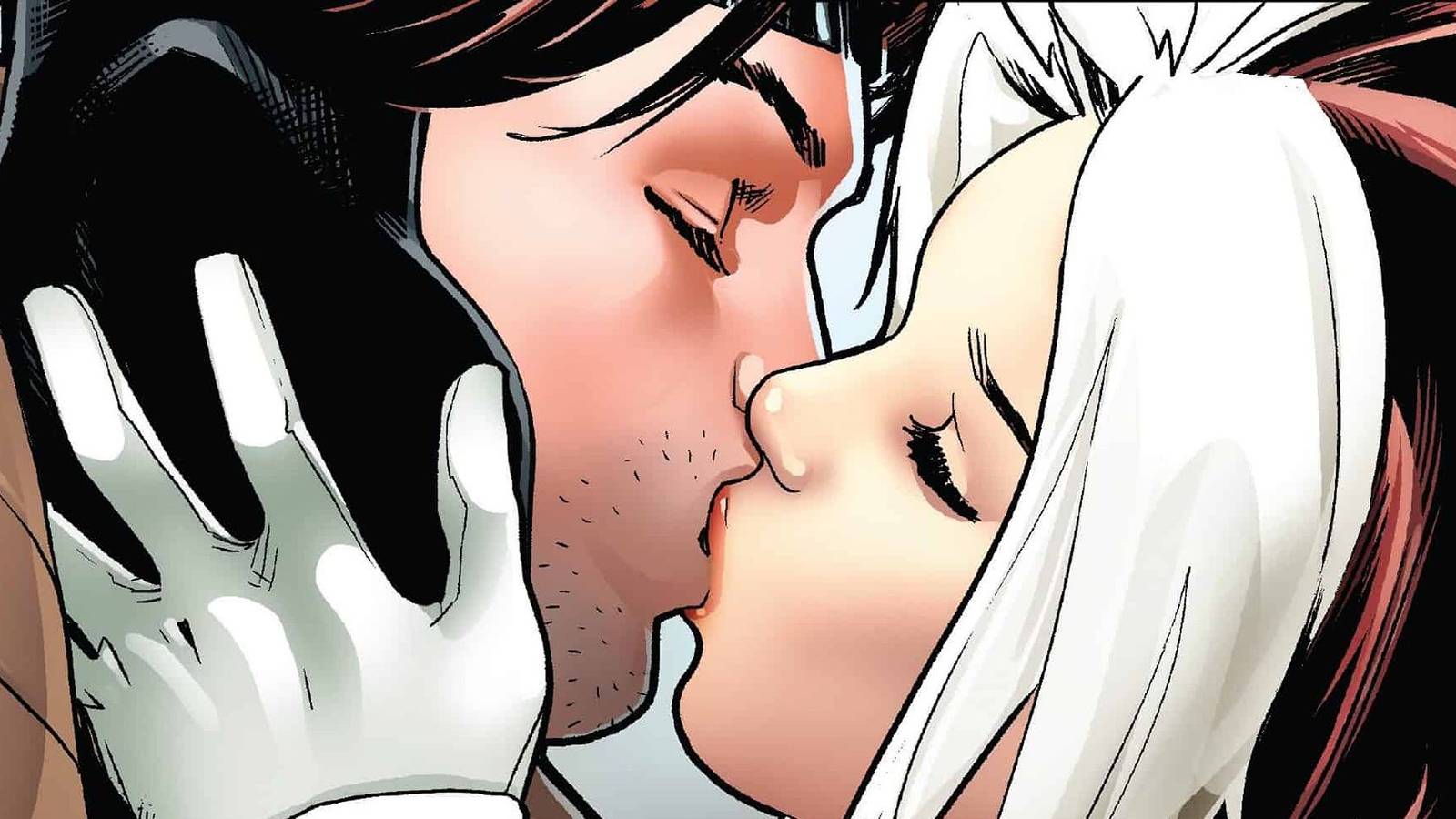
For years, Rogue and Gambit's relationship has been defined by the impossibility of safe touch. Rogue's mutant power absorbs the life force of anyone she touches, making physical intimacy a constant risk. Thompson explored this dynamic in Mr. & Mrs. X, where the couple navigated marriage while Rogue learned to control her abilities. That experience, Thompson says, proved invaluable when writing the Bride.

The Push and Pull of Touch
In The Bride of Frankenstein Lives, the central character is newly brought to life, and every physical sensation is overwhelming—often painful. When a man named West mistakes her for his missing wife, Elise, and embraces her, the moment is meant to be unsettling rather than romantic. Thompson and artist Mattia De Iulis deliberately made the embrace look "horribly awkward," because the Bride has just survived violence, fire, and a river. She has no reason to welcome anyone's touch, no matter how kind they seem.
Thompson told Collider that this tension around touch is the clearest link to her X-Men work. "I think the touch thing is probably the number one thing," she said, pointing to the "push and the pull" of craving closeness while fearing it. For Rogue, that fear was literal: her powers made touch deadly. But as Thompson reflected, there was also a sense of relief in Rogue's inability to be touched—a safety in knowing she could stop others from reaching her.
From Rogue to the Bride
That duality—danger and relief—is something Thompson first connected with as a teenager, when Rogue was her favorite character. She couldn't fully articulate why at the time, but looking back, she recognizes the complexity: "Part of that was about safety, part of that was about Rogue not being able to be touched, and while that was tragic, there was also relief in it."
In Mr. & Mrs. X, Thompson delved deeper into those feelings as Rogue confronted what control over her powers could mean for her relationship with Gambit. The Bride is not Rogue, and her experience is less literal, but both characters must define their own boundaries. The Bride is only beginning to understand what makes her different from other women—let alone what she wants from anyone who comes close.
Thompson's ability to weave emotional depth into genre storytelling has made her a fan favorite. Her work on Uncanny X-Men and other titles consistently explores themes of identity, connection, and autonomy. With The Bride of Frankenstein Lives, she brings that same sensitivity to a horror icon, promising a fresh and unsettling take on a classic monster.
Fans of Thompson's X-Men work and horror aficionados alike should keep an eye on this series. It's not just a retelling—it's a meditation on what it means to inhabit a body that others see as theirs to touch, control, or claim. And if Thompson's track record is any indication, it will be as thought-provoking as it is chilling.