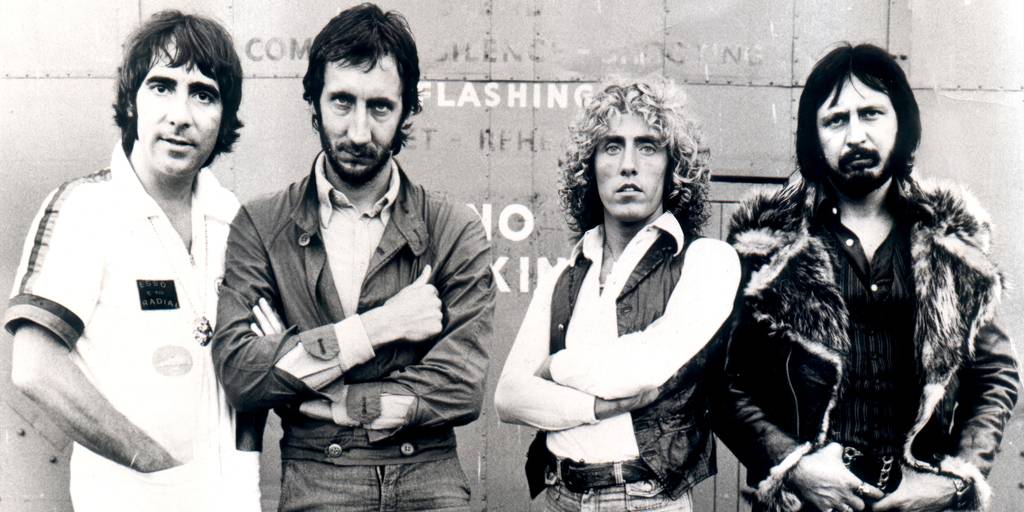
When you think of rock and roll excess, the image of a drummer smashing a hotel room is iconic. But few lived that stereotype as vividly as Keith Moon, the wild man behind the drums for The Who. His antics—blowing up toilets, hurling TVs, and demolishing his own kit—became the stuff of legend, cementing his status as the ultimate rock star rebel.
A Fiery Start with The Who
Moon joined The Who in 1964 at just 17, showing up unannounced to an audition dressed head-to-toe in orange, with matching dyed hair. Pete Townshend later called him “a ginger vision.” He immediately made an impact, breaking the bass drum pedal and tearing through drum skins during his first set. The band knew they were in for a wild ride, but they hired him anyway, and his chaotic energy became their signature.

His drumming was as unpredictable as his personality—tempos shifted with his moods, and his raw talent was undeniable, if unrefined. Over time, he learned to mesh his explosive style with the band, but he never lost that edge that made him so compelling.
The Cherry Bomb Era
Moon’s destructive streak often fueled by drugs and alcohol, and he loved to shock. In 1965, he discovered his favorite pastime: dropping lit cherry bombs into hotel toilets and watching them explode. He bought a crate of 500 cherry bombs that year, and soon The Who were banned from nearly every hotel chain, including all Holiday Inns. Moon didn’t care—he even upgraded to dynamite, relishing his reputation as a hell-raiser.
Toilets weren’t his only target. TVs rarely survived his stays. Once, as the band was leaving for the airport, Moon dashed back to his room and tossed a television out the window into the pool, casually saying, “I nearly forgot.” His bandmates were used to such antics, which also extended to their instruments—Moon would kick in his bass drum and smash cymbals, while Townshend famously destroyed his guitar at set’s end.
When Chaos Went Too Far
Moon’s love of explosives once backfired spectacularly during a live TV performance. He loaded his bass drum with flash powder and set it off, but miscalculated the charge, sending the entire band flying off stage. It was a perfect metaphor for his life: thrilling, unpredictable, and often dangerous.
As the years went on, Moon’s behavior grew more erratic. His assistant Dougal Butler described him as “a train ride you couldn’t stop.” The party that had once been fun became a spiral of addiction and self-destruction, ultimately leading to his premature death in 1978 at age 32.
A Legacy Beyond the Chaos
While Moon’s antics are legendary, it’s important to remember the man behind the mayhem—a brilliant musician who struggled with demons. His influence on drumming is immeasurable, and his larger-than-life persona remains a touchstone for rock excess. For more on rock’s wildest moments, check out our ranking of Aerosmith's movie songs or explore timeless 1960s fantasy films for a different kind of escapism.
Keith Moon may have left a trail of broken porcelain and shattered TVs, but he also left an indelible mark on music history. He was, and remains, the epitome of the rock star stereotype—flawed, brilliant, and unforgettable.