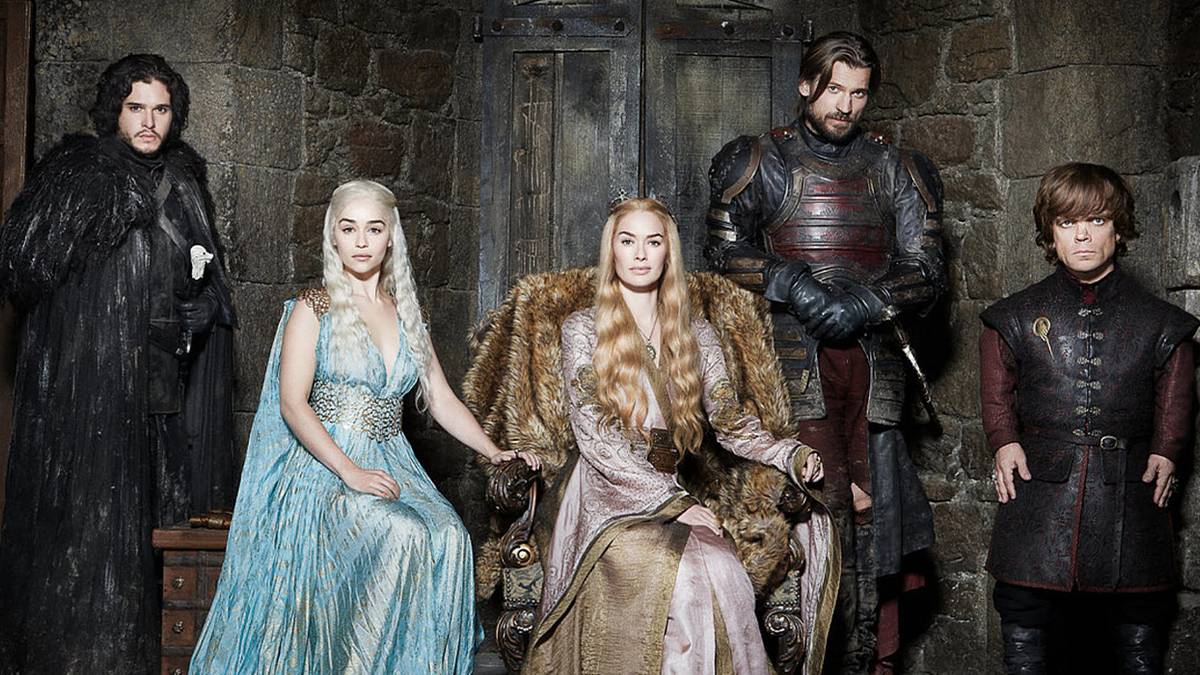
When Game of Thrones ended, it felt like the Iron Throne itself had crumbled under the weight of fan expectations. While the finale sparked endless debates, one character's fate stung more than most: Jaime Lannister. Played with magnetic complexity by Nikolaj Coster-Waldau, Jaime was the show's most compelling figure—a man who evolved from a sneering villain into a knight of true honor. Yet in the final episode, all that growth was tossed aside like a broken sword.
The Rise of a Complex Anti-Hero
Jaime started as the guy we loved to hate. He pushed a child out a window, slept with his twin sister, and wore arrogance like armor. But as seasons unfolded, Coster-Waldau peeled back layers to reveal a man trapped by his family's legacy. His journey with Brienne of Tarth was transformative: she saw past his golden facade to the wounded soul beneath. By Season 3, Jaime had begun to shed his Lannister pride, choosing empathy over entitlement. He rode north to fight for the living, leaving Cersei's toxic orbit behind.
A Betrayal in the Finale
Then came the finale. In a baffling reversal, Jaime abandoned Brienne and Winterfell to return to King's Landing—and Cersei. He died in her arms as the Red Keep collapsed, a romanticized end that erased years of character development. This wasn't the Jaime who burned Cersei's letter in the books; it was a regression that felt unearned. The showrunners chose a tragic, codependent finale over the redemption arc fans had invested in. It was a disservice to both the character and the audience who had followed his journey.
What the Books Tell Us
George R.R. Martin's novels hint at a far different fate. The prophecy of the valonqar—High Valyrian for "little brother"—suggests Jaime, born after Cersei, will be her end. In the books, Jaime burns Cersei's plea for help, signaling his final break from her. This would have been a powerful, tragic conclusion: Jaime killing the woman he loved to save the realm. Instead, the show gave us a hollow reunion that romanticized abuse.
For fans who stuck with Game of Thrones through its highs and lows, Jaime's ending was a bitter pill. It's a reminder that even the best character arcs can be undone by a single misstep. If you're still mourning that lost potential, you're not alone—and you're right to feel cheated.