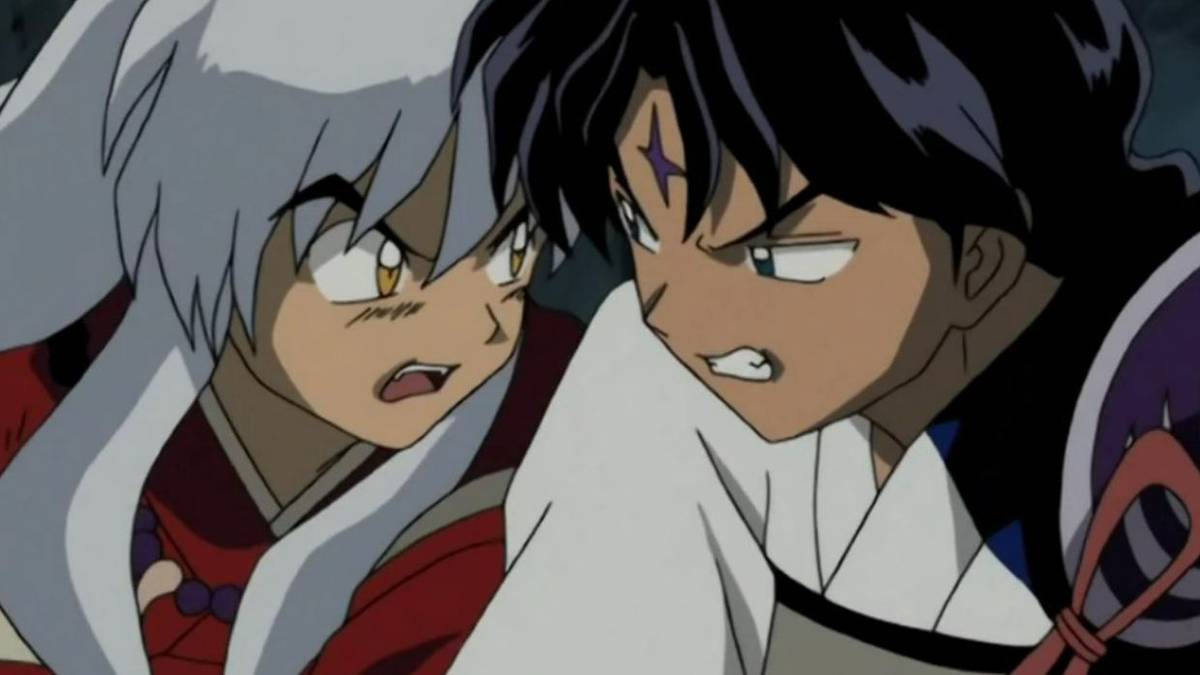
When Rumiko Takahashi crafted Inuyasha, she delivered a series that defied easy categorization. It's an isekai that builds a rich, lived-in world rather than a mere backdrop for power fantasies. It balances explosive action with tender romance, especially between the half-demon Inuyasha and high schooler Kagome Higurashi. But what truly sets Inuyasha apart is its unflinching embrace of horror—both visceral and psychological. The demons that stalk its world are nightmarish, yet the series' most chilling moments often come from human suffering. And no storyline encapsulates that better than the tragic saga of Sango and her younger brother, Kohaku.
A Village Destroyed in One Night
The episode "Enter Sango the Demon Slayer" introduces Sango, a skilled demon slayer, and her village of hunters. They're tracking a spider demon that has taken residence in a nearby castle. Sango dispatches the creature with ease, but a fragment of its thread possesses her 11-year-old brother, Kohaku. In a horrifying turn, Kohaku slaughters his own family and fellow villagers, including their father. The episode is a masterclass in building dread—it shows Sango's deep bond with Kohaku before shattering it in the most brutal way possible. The tragedy is compounded when Kohaku is killed, a stark reminder that in Inuyasha's world, no one is safe, regardless of age or innocence.
Naraku's Cruelest Scheme
The true horror, however, is that Kohaku's death was orchestrated by the series' main antagonist, Naraku. He frames Inuyasha for the massacre, sending Sango on a vengeful path. But Naraku's cruelty doesn't end there. He resurrects Kohaku as his puppet, using the boy as a weapon against Sango and her allies. In the episode "Sango's Suffering and Kohaku's Life," Naraku offers a twisted deal: he'll free Kohaku if Sango brings him Inuyasha's sword, Tessaiga. She complies, only to be betrayed—Naraku uses Kohaku to attack her and her friends. What follows is one of the most emotionally devastating sequences in the series, as Sango is forced to confront her brother, torn between her love for him and her duty to protect her friends. The guilt becomes so overwhelming that she contemplates killing Kohaku and herself in the episode "That Unforgettable Face!"
Why This Story Still Haunts Us
Twenty-five years later, the Sango-Kohaku arc remains a benchmark for emotional storytelling in anime. It's not just the body horror of possession and death, but the psychological torment that lingers. Sango's anguish is palpable, and the series doesn't shy away from showing her breaking point. This storyline also cements Naraku as one of anime's most vile villains—he doesn't just kill; he manipulates, corrupts, and destroys families for his own gain. The fact that Kohaku is a child makes it all the more disturbing, a stark contrast to the typical shonen tropes of the era.
A Legacy of Pain and Redemption
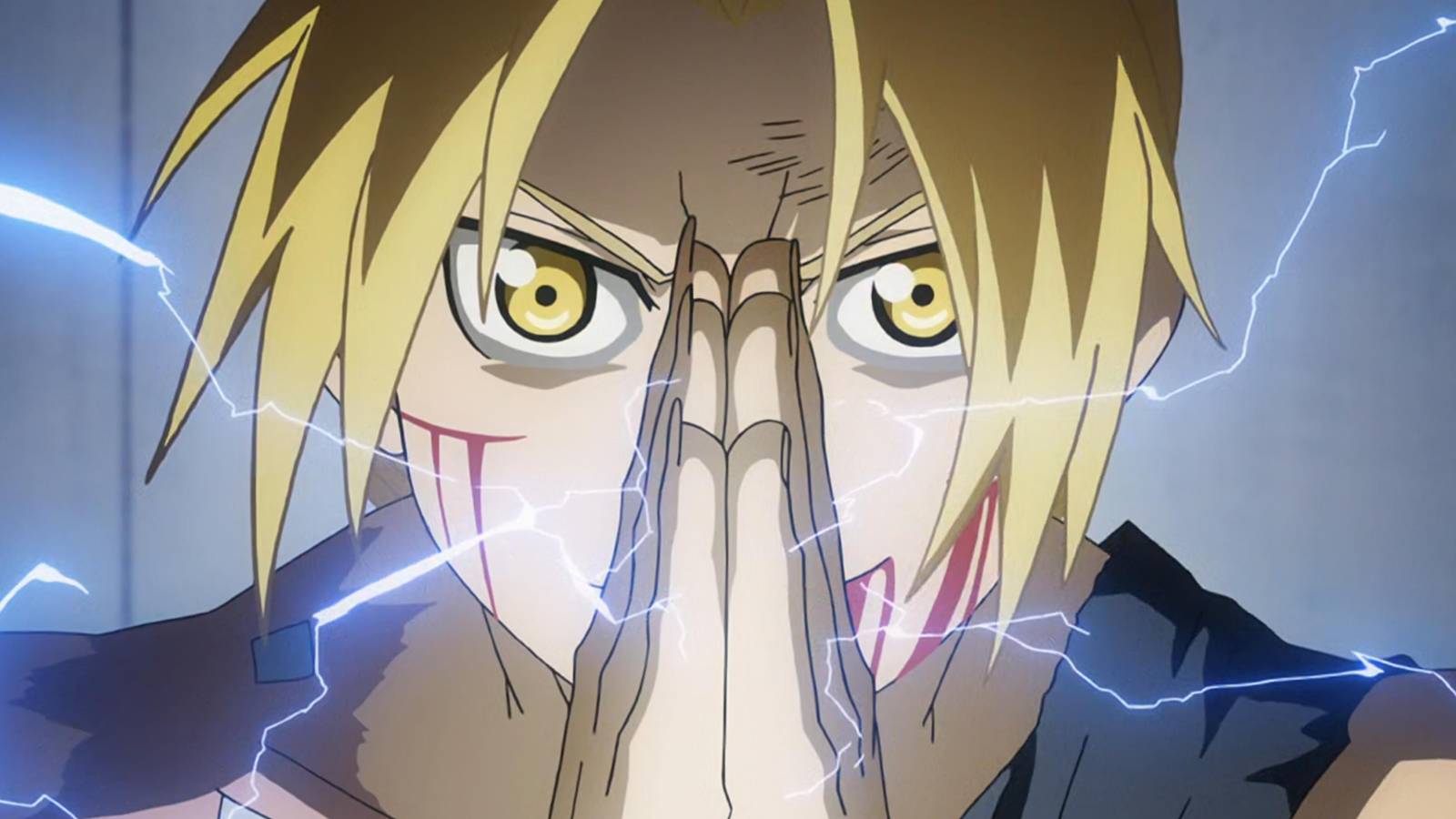
When the original Inuyasha anime concluded in 2004, Kohaku seemed destined to remain Naraku's pawn forever. But Inuyasha: The Final Act brought closure, with Naraku's defeat freeing Kohaku. In the finale, Kohaku follows in Sango's footsteps, training as a demon slayer, and even appears in the sequel series Yashahime: Half-Demon Princess. It's a bittersweet ending—one that offers hope but doesn't erase the trauma. For fans, the Sango-Kohaku storyline remains a testament to Inuyasha's ability to blend horror with heart, creating moments that are as unforgettable as they are unsettling. If you're looking for other anime that deliver similar emotional gut punches, check out this haunting Fullmetal Alchemist episode that still resonates with fans decades later.
In the end, Inuyasha may be remembered for its action and romance, but it's the darker stories like Sango and Kohaku's that truly define its legacy. They remind us that the most terrifying monsters aren't always demons—sometimes they're the ones we love, twisted into something unrecognizable. And that's a horror that never fades.