In Hollywood, true surprises are rare. While some films catch lightning in a bottle through word-of-mouth or critical acclaim, others arrive at the multiplex radiating pure inevitability. These are the blockbusters where the question was never if they would succeed, but rather how big they would become. Fueled by years of audience anticipation, powerful branding, and cultural momentum, their record-shattering openings felt like mere formalities.
The Power of the Event Film
What separates a standard hit from a foregone conclusion? It's a potent cocktail of elements: a beloved franchise returning after a long hiatus, a sequel to a cultural phenomenon, or an adaptation of a story already etched into the public consciousness. The marketing doesn't have to create demand—it simply has to channel the excitement that's already there. The audience has already made its decision, sometimes years in advance, turning opening weekend into a collective cultural moment.
Star Wars: The Phantom Menace (1999)
After a 16-year wait, the return of Star Wars to the big screen was less a movie release and more a historical event. A generation that grew up with the original trilogy was now ready to introduce a new one to the saga. The film promised answers to long-held questions about Anakin Skywalker's origins and the glory days of the Jedi Order. While the critical conversation later focused on Jar Jar Binks and midichlorians, nothing could dampen the pre-release frenzy. It was a cinematic homecoming that grossed approximately $1.047 billion worldwide, proving the franchise's enduring power.
The Dark Knight Rises (2012)
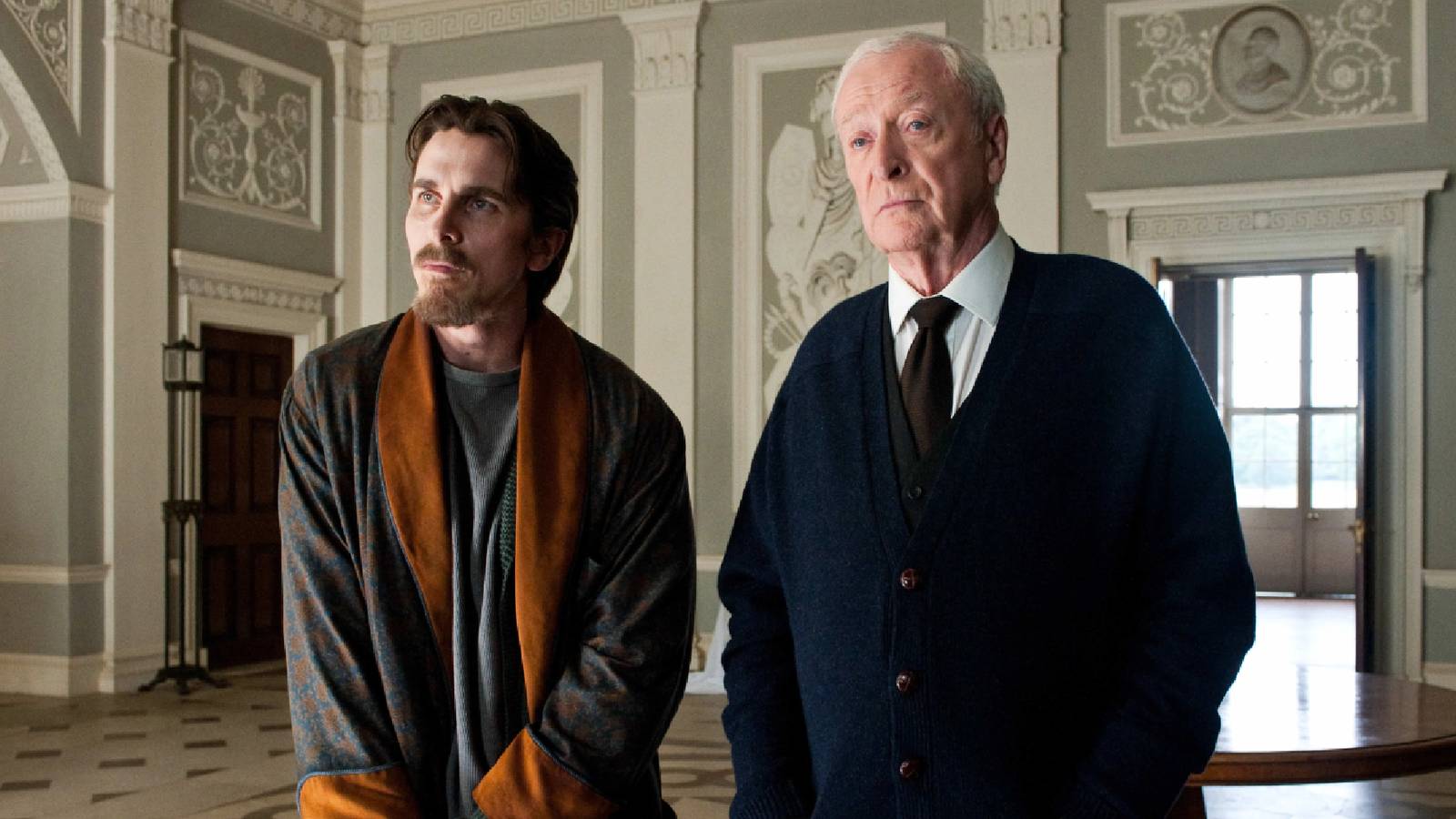
Following the seismic impact of The Dark Knight, Christopher Nolan's Batman saga had transcended comic-book movies to become a major cultural event. The third chapter sold itself as a definitive ending, promising closure for Christian Bale's Bruce Wayne and the fate of Gotham. With Nolan's trusted direction, the menacing presence of Tom Hardy's Bane, and trailers showcasing epic civic collapse, the film was propelled by immense momentum. Audiences flocked to witness the conclusion, helping it earn roughly $1.085 billion globally.
The Matrix Reloaded (2003)
The original The Matrix didn't just beget a sequel; it created a new visual language for action cinema and spawned endless online debate. By 2003, audiences were primed to see what came next for Neo (Keanu Reeves), now a mythic figure fully aware of his abilities. Promising bigger spectacle, including a legendary freeway chase, the film tapped directly into the hunger for more of its unique world. It delivered, earning $741.8 million worldwide and setting a new bar for sequel anticipation. The legacy of such groundbreaking sci-fi continues today, as seen with hits like Project Hail Mary claiming the modern sci-fi crown.
Wicked (2024)
Some bets are safer than others. Adapting the wildly successful stage musical Wicked was a near-guaranteed win, thanks to two decades of built-in audience love. The story of Elphaba and Glinda, with its iconic songs, already had a massive, emotionally invested fanbase. Casting powerhouse performers like Cynthia Erivo and Ariana Grande only amplified the hype, bridging Broadway loyalty with mainstream pop culture. The film didn't need to introduce the world of Oz; it just needed to bring a beloved story to life, which it did to the tune of $758 million globally. This kind of pre-sold success is what studios dream of, similar to the built-in audience for major franchise expansions like the record-breaking HBO Harry Potter series.
The Formula for Inevitability
Looking at these titans, common threads emerge: the weight of a beloved brand, the promise of a culminating chapter, and the exploitation of long-simmering audience curiosity. They are films that operate on a scale beyond mere entertainment; they become milestones. Their success is engineered through years of franchise building, clever marketing that validates existing excitement, and perfect cultural timing.
This model continues to drive the industry, with studios constantly seeking the next pre-sold phenomenon. Whether it's the return of a legendary hero or the adaptation of a generational story, the goal is to replicate that feeling of inevitability. As audiences, we recognize these events as they form on the horizon, and our collective anticipation becomes the very fuel that propels them to box office history. The cycle shows no signs of stopping, with upcoming projects like the Super Mario Galaxy movie already projected for massive success.