For over two decades, Hugh Jackman has been the face of Wolverine, a role he first took on in 2000's X-Men after Dougray Scott dropped out. Jackman's portrayal defined the clawed mutant for a generation, and his journey spanned multiple team-ups, a comedic detour with Deadpool, and three solo films that traced the character's arc from origin to tragic end. While X-Men Origins: Wolverine (2009) kicked things off and Logan (2017) delivered a tearful farewell, the middle chapter—2013's The Wolverine—often gets overlooked. Yet this Japan-set action thriller is arguably the most intimate look at Logan's inner torment, and it's currently one of the most-streamed films on HBO Max, making it the perfect time to revisit.
A Change of Scenery: Tokyo and a New Threat
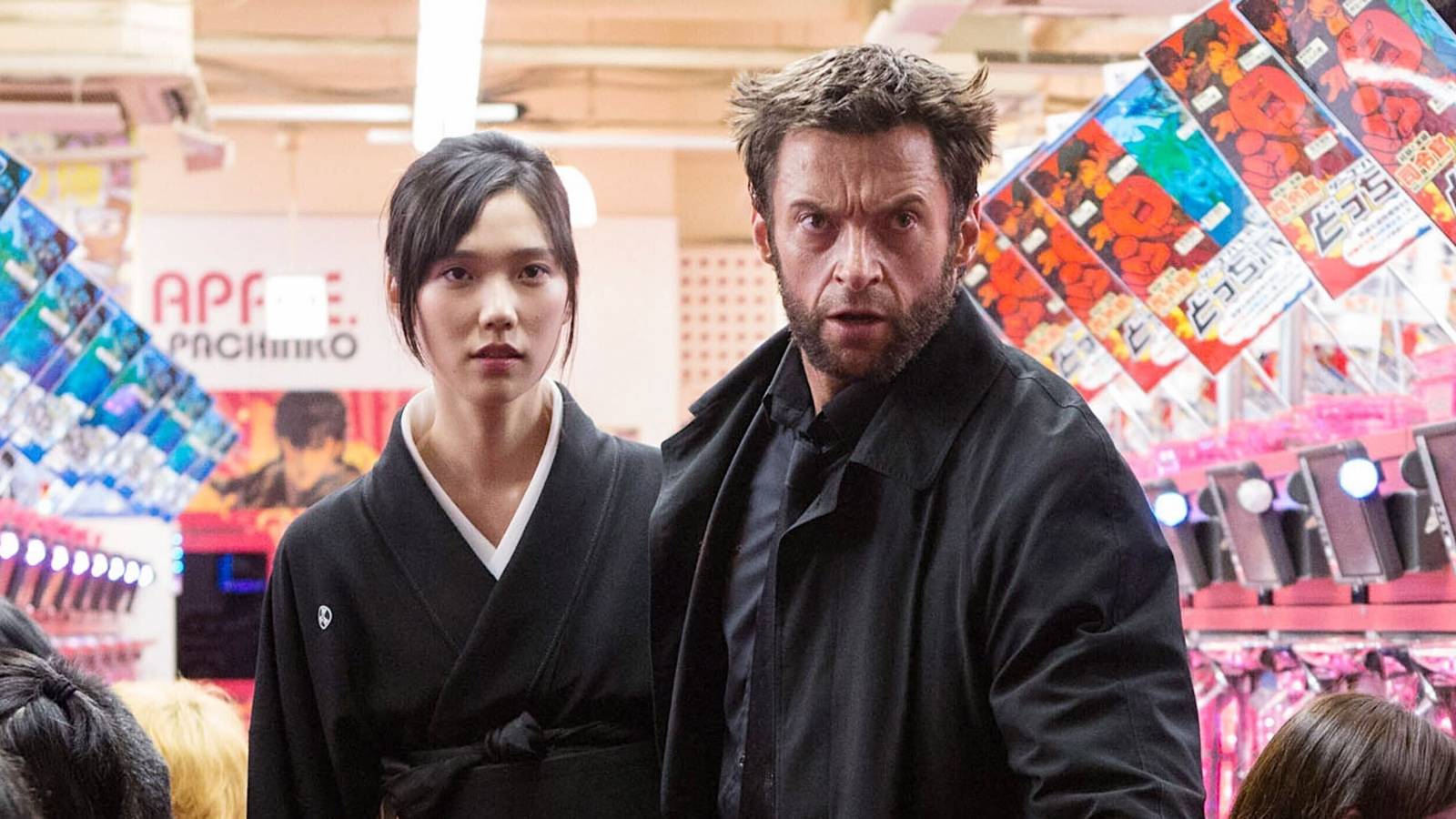
Set after the events of X-Men: The Last Stand, The Wolverine finds Logan (Jackman) haunted by the death of Jean Grey and living as a recluse in the wilderness. His solitude is broken by Yukio (Tao Okamoto), a mutant with precognitive abilities who leads him to Tokyo and the dying industrialist Ichirō Yashida (Haruhiko Yamanouchi). Decades earlier, Logan saved Yashida during the bombing of Hiroshima, and now the old man offers him a chance to shed his healing factor and live a mortal life. But this tempting offer is soon entangled in a web of conspiracy and danger, forcing Logan to protect those around him while confronting his own demons.

This darker, more character-driven take was a deliberate shift from the widely panned Origins, and it drew inspiration from the acclaimed 1982 comic book storyline by Chris Claremont and Frank Miller. The film was a commercial success, grossing $416 million worldwide—second only to X-Men: The Last Stand at the time—thanks to its intense action and deeper exploration of its hero.
The Weight of Immortality
What sets The Wolverine apart is its focus on the psychological burden of Logan's immortality. He's a man who has outlived friends, lovers, and enemies, and his healing factor means he'll continue to do so. The film doesn't shy away from this existential pain. Yukio observes, "You're a soldier, and you seek what all soldiers do… An honorable death. An end to your pain." Yashida echoes this, noting that "eternity can be a curse" and that Logan has become a ronin—a samurai without a master.
This is the first time a Wolverine film truly sits with the idea that his powers are as much a burden as a gift. His physical wounds heal, but the emotional scars accumulate. The film presents a compelling crossroads: the offer to become mortal and finally find peace. It's a temptation that Logan ultimately rejects, but the question lingers: what does it mean to live forever when all you've known is loss?
The Bridge to 'Logan'
This struggle is what makes the ending of Logan so powerful. In that film, set in a near-future where mutants are nearly extinct, Logan's healing factor is failing, and he's finally vulnerable. He sacrifices himself to save his daughter, Laura (Dafne Keen), and dies with a smile, knowing he's found love and purpose. It's a beautiful, bittersweet conclusion that only resonates because we've seen the depth of his suffering in The Wolverine.
Both films were directed by James Mangold, who understood that the key to Wolverine's story was the man behind the claws. The Wolverine serves as the essential bridge between the spectacle of the X-Men series and the raw, character-driven storytelling of Logan. It's a must-watch for any fan, and with its current popularity on HBO Max, there's no better time to dive into this underrated gem.
For more on the legacy of Wolverine and other iconic action heroes, check out our list of action movies that redefined the genre and our ranking of the most anticipated action films of 2026-27.