For fans of ambitious animated sci-fi, Final Space was a rare gem—a show that started as a goofy comedy and evolved into a heartfelt, galaxy-spanning epic. But its journey was cut short not by creative failure, but by corporate consolidation. The Warner Bros.-Discovery merger turned this beloved series into a tax write-off, erasing it from streaming platforms and leaving its story unfinished—until now.
A Space Opera That Deserved Better
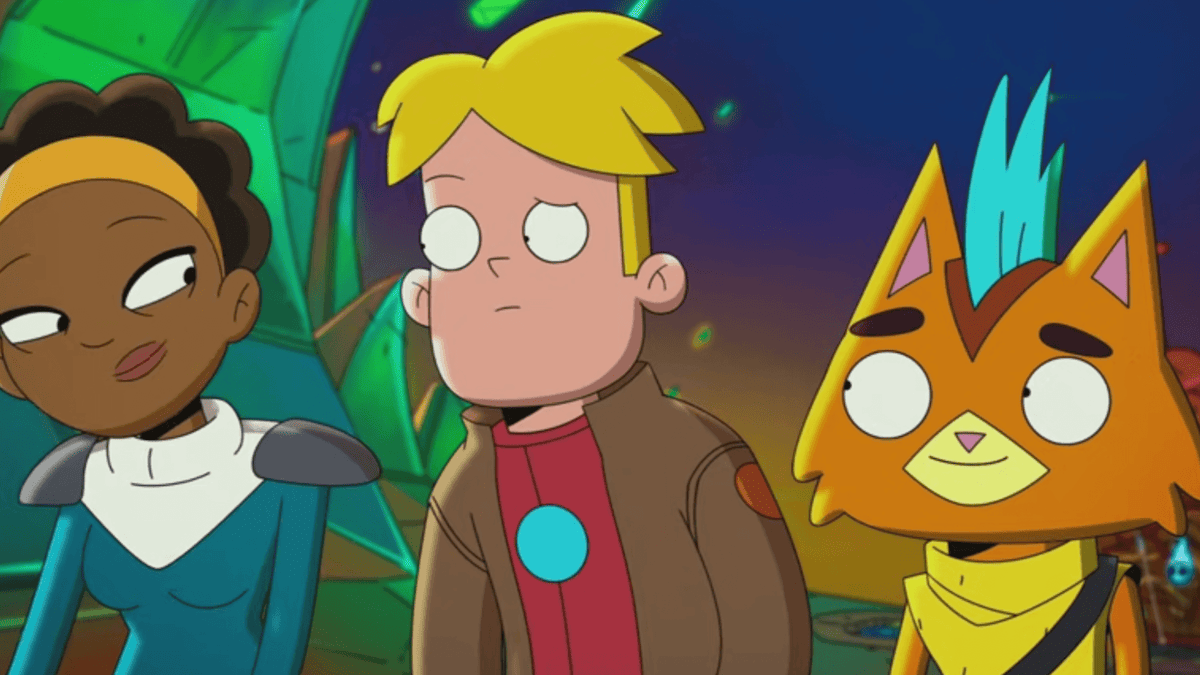
Created by Olan Rogers, Final Space follows Gary Goodspeed, a lovable screw-up serving time on a prison ship. His life changes when he befriends Mooncake, a cute alien who also happens to be a planet-destroying weapon. Together, they unravel the mysteries of a deadly dimension called Final Space, battling cosmic horrors and forging deep bonds along the way.
Over three seasons, the show balanced laugh-out-loud humor with genuine emotional stakes. Unlike many cynical sci-fi comedies, Final Space believed in its characters' capacity for growth and heroism. The voice cast was stellar—Steven Yeun, David Tennant, Ron Perlman, Claudia Black, and Conan O'Brien all lent their talents—and the story built toward a thrilling climax. Season 3 ended on a brutal cliffhanger: Gary and his team saved Quinn but unleashed the eldritch villain Invictus. Then the axe fell.
The Merger That Killed a Universe
Season 3 wrapped in July 2021, just as Discovery announced its acquisition of WarnerMedia. By September, Rogers confirmed the show's cancellation. But the worst was yet to come. Warner Bros. Discovery, saddled with debt from the merger, began pulling shows from its platforms to claim tax write-offs. Final Space joined the ranks of Batgirl, Coyote vs. Acme, Infinity Train, and Summer Camp Island as corporate casualties. In October 2022, Rogers revealed that the series had been written off entirely—meaning there is no legal way to stream or purchase it today.
This erasure is a stark reminder of the fragility of digital media. When a show exists only on streaming, a corporate decision can make it vanish overnight. For fans who fell in love with Gary, Mooncake, and the crew of the Galaxy One, the loss is deeply felt. As we've seen with other underrated gems like Steven Spielberg's Terra Nova, even beloved series can disappear when corporate priorities shift.
A Final Chapter—But at What Cost?
Despite the cancellation, Rogers refused to let the story die. He secured permission from Warner Bros. to conclude the narrative in graphic novel form. Final Space: The Final Chapter is set for release later this year, with preorders already open. It's a bittersweet victory: fans will finally get closure, but the creator had to self-finance the project after his show was discarded by its parent company.
The graphic novel can't replace the full third season or the planned fourth, but it offers a chance to say goodbye. For those who invested in these characters, it's better than nothing. Still, the treatment of Final Space stands as one of the great injustices in modern television—a reminder that even the most heartfelt stories are vulnerable to the bottom line.
As we look back at the show's legacy, it's worth celebrating what made it special: its humor, its heart, and its refusal to take the easy path. Final Space may be gone from our screens, but it lives on in the memories of its fans—and in the pages of its final chapter.