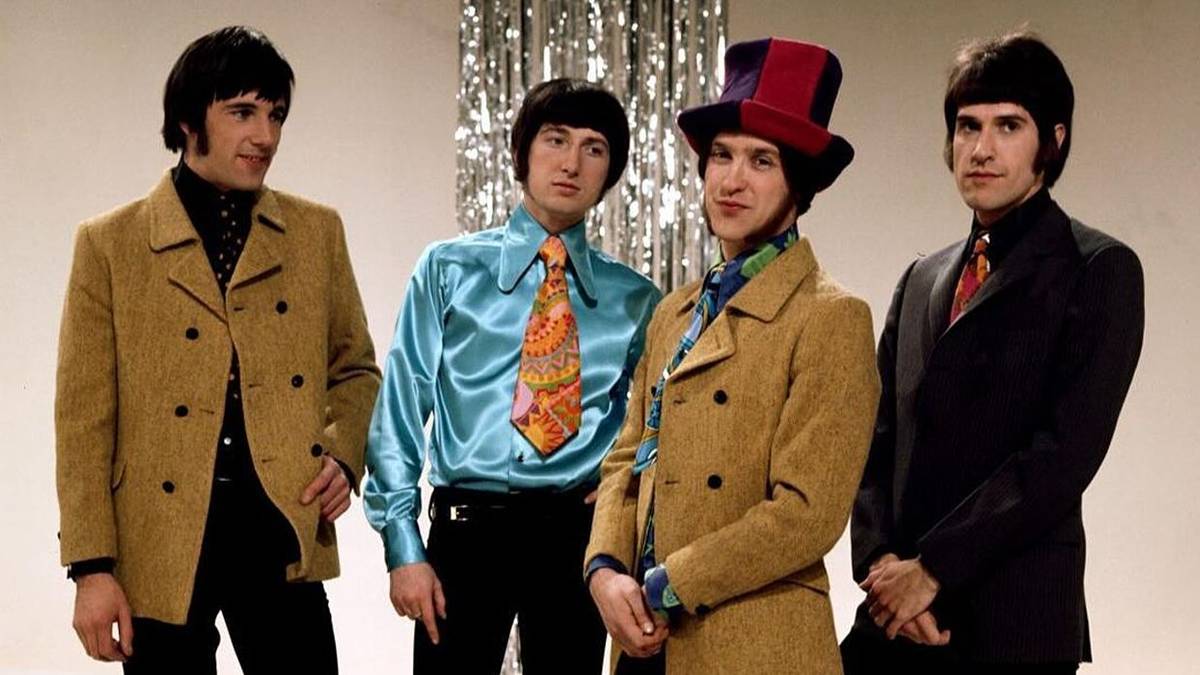
In the mid-1960s, the British Invasion was in full swing, and bands like the Beatles were conquering America. The Kinks, fresh off their UK success, were eager to follow suit. A US tour seemed like the ultimate prize—a chance to break big in the world's largest music market. But what started as a dream quickly turned into a nightmare that would haunt them for years.
A Tour Cursed from the Start
When the offer came in 1965, the band was in turmoil. Ray Davies had just become a father and was reluctant to leave his new family. The band members were also at each other's throats. Guitarist Dave Davies later admitted they "hated the sight of each other" that year. Spending weeks together on the road was the last thing they wanted.
Their internal friction spilled onto the stage. Known for their aggressive live shows, the Kinks often lost control, but unlike the Rolling Stones, who turned chaos into a brand, the Kinks were shy and awkward with the press. This combination of bad behavior and poor media handling earned them negative attention.
Everything Goes Wrong
The tour was plagued by mismanagement and miscommunication. Promoters were unhappy, and the band clashed with TV crews. Ray Davies recalled an incident at the Dick Clark Show where a staffer accused them of being late. The confrontation escalated, and the man threatened, "Once I file my report on you guys, you'll never work in the U.S.A. again." He wasn't bluffing.
Complaints piled up, and eventually, the American Federation of Musicians slapped the band with a ban. Ray later summed it up: "The reason we got banned was a mixture of bad agency, bad management, bad luck, and bad behavior." The ban lasted four years, until they signed a formal apology—without even reading it.
A Blessing in Disguise
While the ban could have ended their career, it forced the Kinks to rethink their approach. No longer chasing American radio play, they returned to their roots and wrote what they truly cared about. The result was The Village Green Preservation Society (1968), an album they thought would be ignored. Instead, it resonated deeply with American audiences, especially anti-war college students.
Ray Davies reflected, "Somehow, this uncommercial record could spark off something in the American psyche. In a strange way, things were looking up. We were not selling records, but we had become a cult band. Perhaps the ban had been a blessing in disguise."
The ban lifted in 1969, and the Kinks returned to the US with a new sound and a devoted following. Their resilience turned a career setback into a creative triumph, cementing their legacy as one of rock's most influential acts. For more on the era's music, check out our ranking of classic rock albums or explore how other artists overcame adversity in our list of disturbing books.

