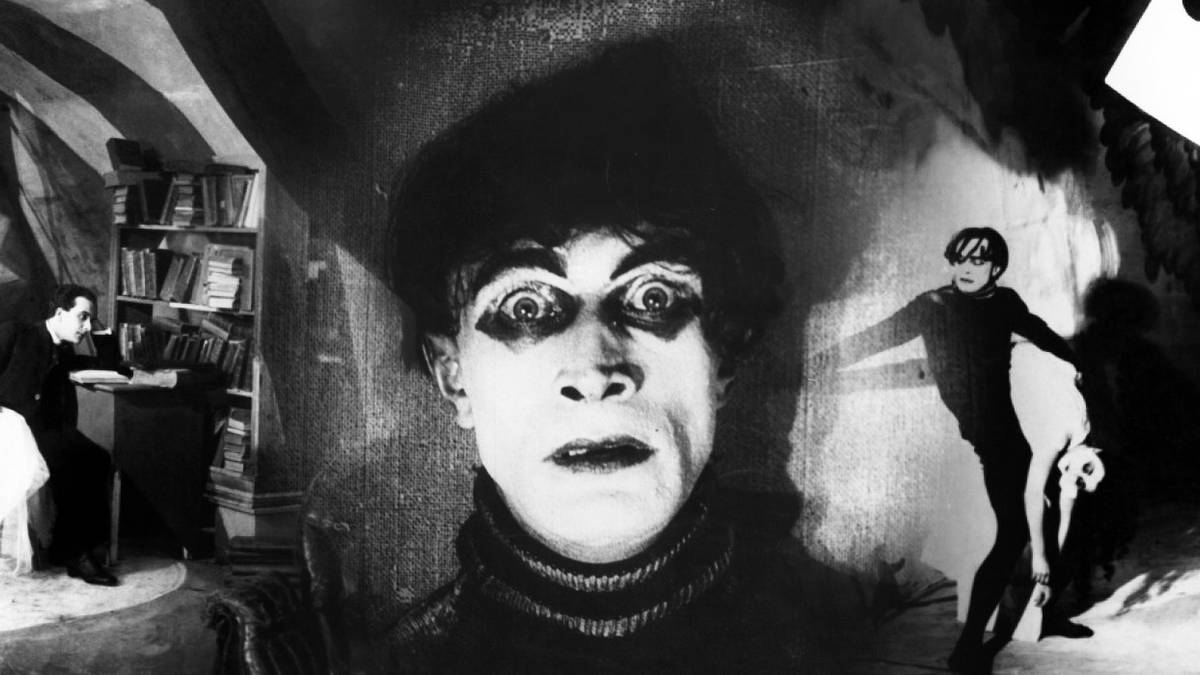
When we think of studio interference, we usually imagine modern blockbusters where directors clash with executives over creative control. But this tug-of-war is nothing new. In fact, one of the earliest and most influential horror films ever made—The Cabinet of Dr. Caligari (1920)—had its ending rewritten due to producer meddling, altering the very message the screenwriters intended.
A Silent-Era Masterpiece with a Troubled Production
Directed by Robert Wiene, this German Expressionist gem follows Franzis, a young man who visits a carnival and encounters Dr. Caligari and his hypnotized sleepwalker, Cesare. Cesare predicts the death of Franzis's friend Alan—and when that prophecy comes true, suspicion falls on the doctor. The film is celebrated for its jagged, dreamlike sets and moody lighting, which later inspired everyone from Tim Burton to the visual style of My Chemical Romance's The Black Parade. But behind the scenes, the studio had other ideas.
The Writers' Original Vision
Screenwriters Hans Janowitz and Carl Mayer were pacifists who opposed World War I and authoritarianism. They crafted The Cabinet of Dr. Caligari as a parable about blind obedience to authority. In their version, Dr. Caligari represents a manipulative leader who brainwashes Cesare into committing murders—much like a soldier following orders. The story was a clear critique of militarism and unchecked power.
Studio Interference Changes Everything
Producer Erich Pommer, reportedly advised by Fritz Lang, decided to add a framing device. The film now opens and closes with Franzis telling his tale from inside an insane asylum. The twist: Franzis is a patient, and Dr. Caligari is actually a kindly doctor trying to cure him. This completely flipped the message. Instead of an anti-authority fable, the final film suggests that authority figures know best—even if they seem scary. Janowitz and Mayer were furious, believing the change undermined their entire purpose.
This early example of studio interference shows that even in the silent era, business concerns trumped artistic intent. Producers worried that the original anti-authoritarian stance would alienate audiences, so they softened it. The result is a film that still dazzles visually but carries a message its creators never endorsed.
Why It Still Matters
Despite the tampering, The Cabinet of Dr. Caligari remains a cornerstone of horror cinema. Its influence can be seen in countless films and even in the gothic aesthetics of modern pop culture. For fans of classic horror, it's a must-see—and a reminder that studio interference has been haunting filmmakers for over a century. If you're looking for more terrifying tales, check out our list of Terrifying Reads: 6 Horror Books That Still Haven't Hit the Screen or dive into Horror Cult Classics: 10 Must-See Films Ranked from Weird to Wild.
The story of The Cabinet of Dr. Caligari proves that the battle between art and commerce is as old as cinema itself. Even a century later, we're still debating who gets the final cut.