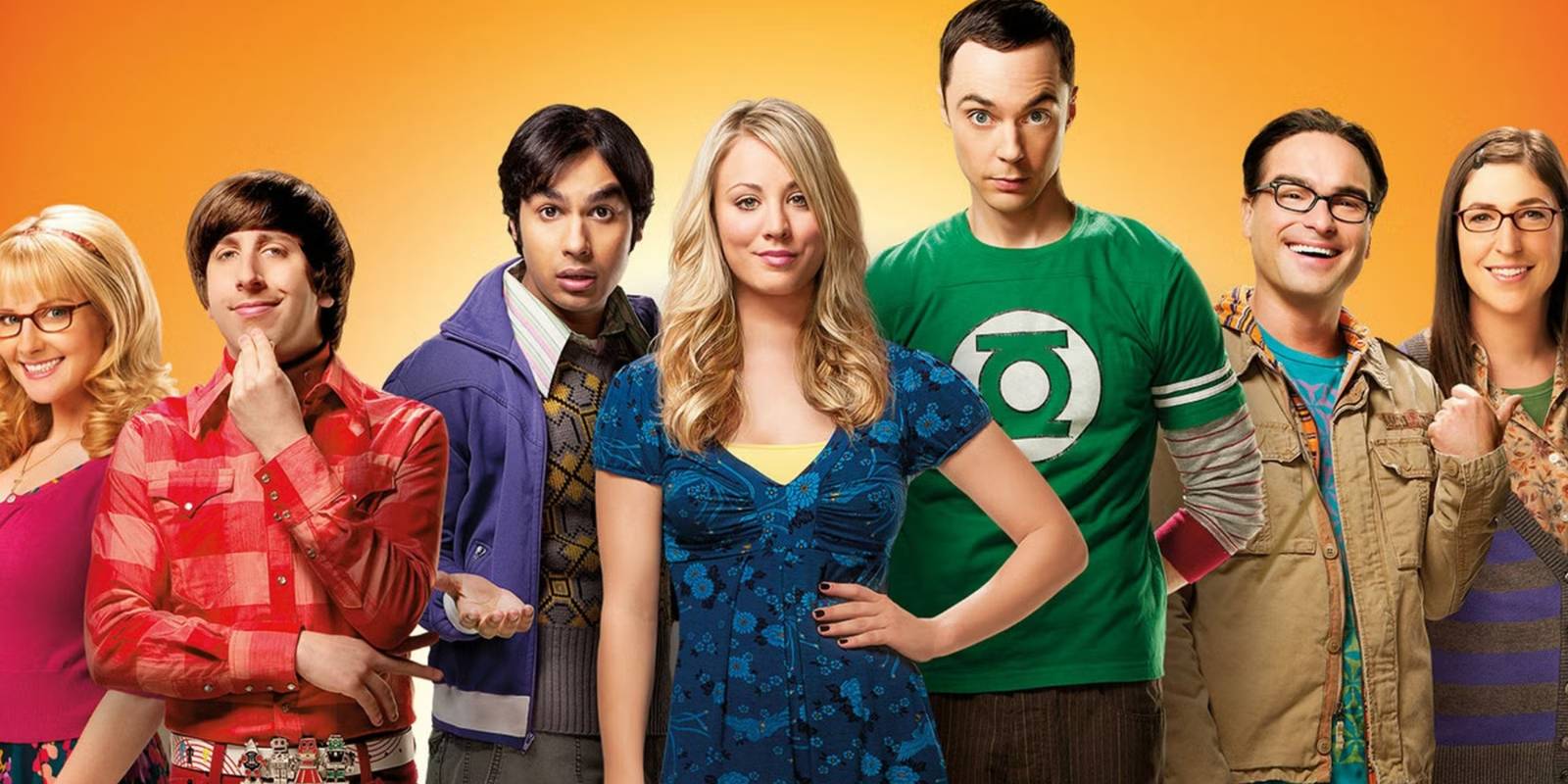
The Big Bang Theory universe is expanding in a bold new direction. While previous spinoffs like Young Sheldon and the upcoming Georgie & Mandy's First Marriage have stayed grounded in family comedy, the latest entry—Stuart Saves the Universe—is taking the franchise where it's never gone before: full-on science fiction.
This shift gives the show an impressive edge over every Big Bang Theory spinoff that came before it. By leaning into the genre that the original series only joked about, Stuart Saves the Universe can explore new storytelling possibilities while still honoring the beloved characters fans have followed for years.

A Fresh Take on a Familiar Face
Stuart Bloom, played by Kevin Sussman, was always the underdog of the original series. The owner of the comic book store where the gang hung out, he was often the butt of jokes—broke, unlucky in love, and perpetually down on his luck. But Stuart Saves the Universe flips the script, turning him into an unlikely hero in a sci-fi adventure.
The show follows Stuart as he stumbles into a cosmic conflict that only his deep knowledge of comics, sci-fi, and pop culture can solve. It's a premise that feels tailor-made for the streaming era, where genre shows dominate the conversation. For more on how genre franchises are evolving, check out our analysis of Nintendo's Star Fox and its potential as a sci-fi powerhouse.
Why Sci-Fi Works for This Spinoff
The original Big Bang Theory was built on the humor of its characters' obsession with sci-fi, fantasy, and comics. But it rarely ventured into those worlds itself. Stuart Saves the Universe changes that, embracing the very genres the show celebrated. This allows for creative storylines—alien invasions, time travel, parallel dimensions—that feel fresh while staying true to the franchise's roots.
It also gives the writers a chance to play with serialized storytelling, something the original series largely avoided. With a sci-fi framework, the show can build season-long arcs and cliffhangers, keeping viewers hooked week after week. This is a smart move as streaming platforms increasingly reward shows that reward binge-watching.
What This Means for the Franchise
The Big Bang Theory franchise has proven its staying power, but it needed a shot of adrenaline. Stuart Saves the Universe provides that by targeting a slightly different audience—fans of sci-fi who might not have been drawn to the original's sitcom format. It also opens the door for crossovers with other genre properties, something the original show only hinted at.
For context on how spinoffs can revitalize a universe, look at Taylor Sheridan's expanding empire. As we've seen with Dutton Ranch dominating the Nielsen charts, a well-executed spinoff can breathe new life into a franchise. Stuart Saves the Universe aims to do the same for the Big Bang Theory brand.
A Star Turn for Kevin Sussman
Kevin Sussman has long been a fan favorite, and this spinoff gives him the spotlight he deserves. His portrayal of Stuart—awkward, kind, and surprisingly resourceful—is perfect for a sci-fi hero who wins through brains rather than brawn. Early buzz suggests the show balances humor with genuine stakes, a tricky balance that the best genre shows manage effortlessly.
With Stuart Saves the Universe, The Big Bang Theory franchise is proving it can evolve. By embracing its inner geek and going full sci-fi, it's not just a spinoff—it's a reinvention.