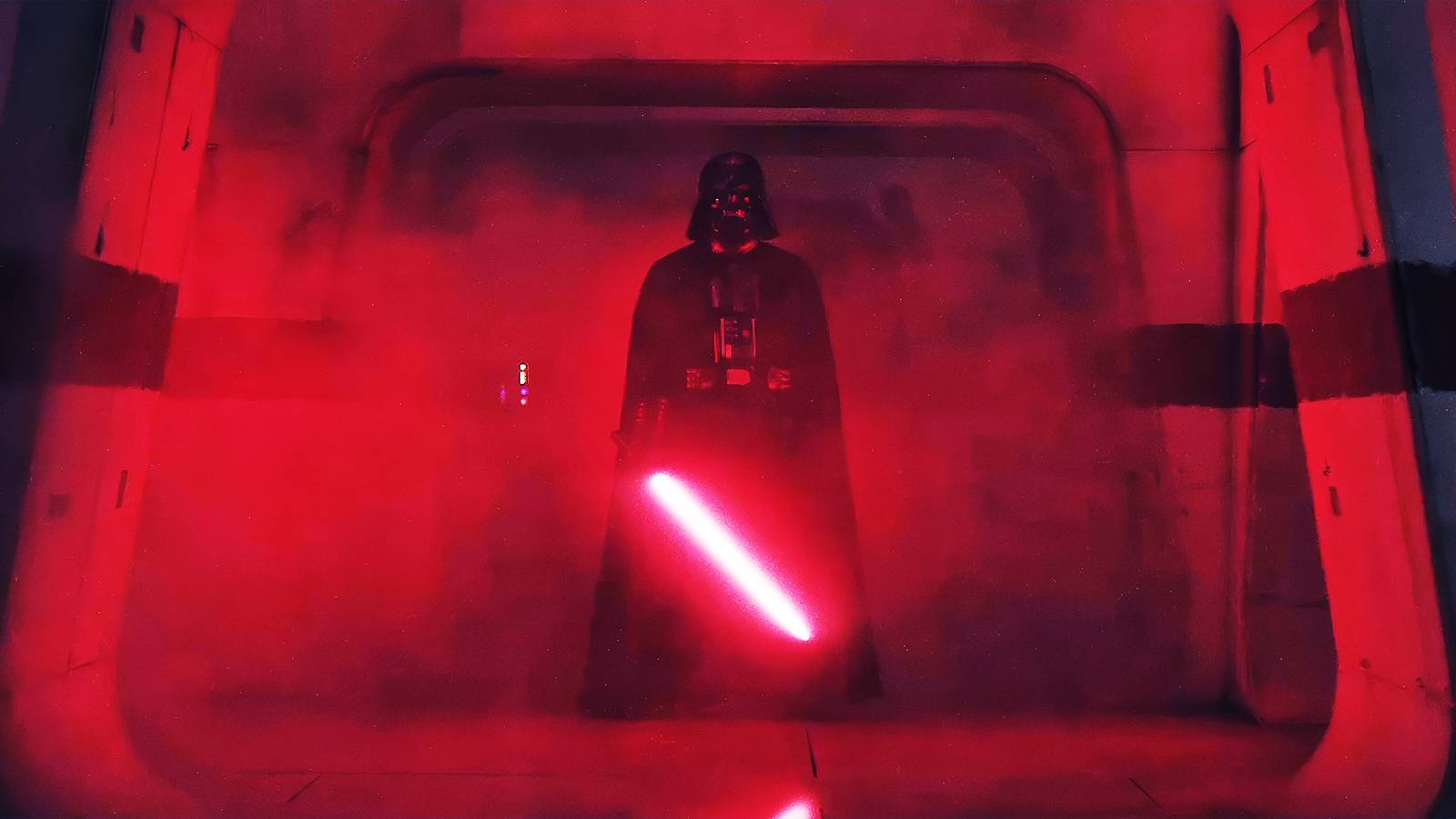
When Rogue One: A Star Wars Story hit theaters in 2016, audiences walked out buzzing—especially after that jaw-dropping finale. The film was a game-changer for the saga, and Darth Vader's corridor rampage felt like the ultimate payoff. It's undeniably spectacular, and it fits perfectly into that moment. A decade later, it remains one of the franchise's most iconic sequences, but its ripple effects on both the galaxy far, far away and its fanbase have been far less positive than one might assume.
The hallway scene isn't really about Vader—it's about the rebels. Rogue One tells the story of how the Rebellion obtained the Death Star plans, using the Rogue One team to illustrate the immense sacrifices required for that small, preliminary victory. Vader's presence embodies the vast gulf between the Empire's might and the Rebellion's desperation. Even after all the rebels' efforts, the Empire still has a Sith Lord to do what its entire army and navy couldn't. The scene underscores the constant urgency of being a rebel: they are always closer to defeat than victory, no matter how righteous their cause. It's a moment we always knew Vader was capable of, but never saw on screen—and it wouldn't have fit in the Original Trilogy. Unfortunately, some viewers took away the opposite lesson.

It didn't take long for the scene's meaning to be twisted. Certain corners of the fandom saw it as proof that Star Wars should be grittier, more adult, and—let's be honest—more violent. That argument has echoed through every release since: Obi-Wan Kenobi brought Vader back with even more menace, but it was dismissed. The Acolyte appealed to prequel fans with a similarly formidable villain, The Stranger, yet it drowned in discourse. Even Andor, a direct prequel to Rogue One and the most grounded, realistic Star Wars project to date, wasn't enough—there was no Vader.
None of these projects are flawless, but the point is that after that hallway scene, fanboy discourse robbed Star Wars of its right to simply be fun. Some fans latched onto the violence and one-liners while ignoring the scene's deeper meaning, and their loud voices influenced others to follow suit. The scene itself isn't at fault, but it's time we confront this phenomenon.
As Mon Mothma wisely says in Andor Season 2, ignoring the truth makes us "vulnerable to the appetite of whatever monster screams the loudest." The truth is that Star Wars is in a worse place now than before Rogue One—not because of the quality of its output, but because it has let itself be swayed by the loudest voices. Instead of taking risks and showing personality, the franchise now seems to play it safe, avoiding backlash at all costs.
It's a shame, because Star Wars is a vast sandbox. There's room for everything from Andor's political thriller to The Mandalorian's western vibes to the animated adventures of Rebels. But what's become clear is that many fans don't actually want "gritty, realistic, and adult" stories—they want killing, quips, and gratuitous displays of power. They loved the form of Vader's hallway scene but ignored its substance.
That scene belongs in Rogue One, and it fits Vader's character, but even through that lens, it's misunderstood. People see Vader as a badass, but he's really just super strong and easily manipulated. Given his tragic arc across the prequels and original trilogy, he's actually quite pitiful. His hallway scene doesn't exist in a vacuum, so it shouldn't be viewed that way. Before we demand more of that, we should understand what it truly means.
For more on how Star Wars has evolved, check out our ranking of every Star Wars movie. And if you're in the mood for other unforgettable moments, our list of crime thrillers' best opening scenes might satisfy your craving.