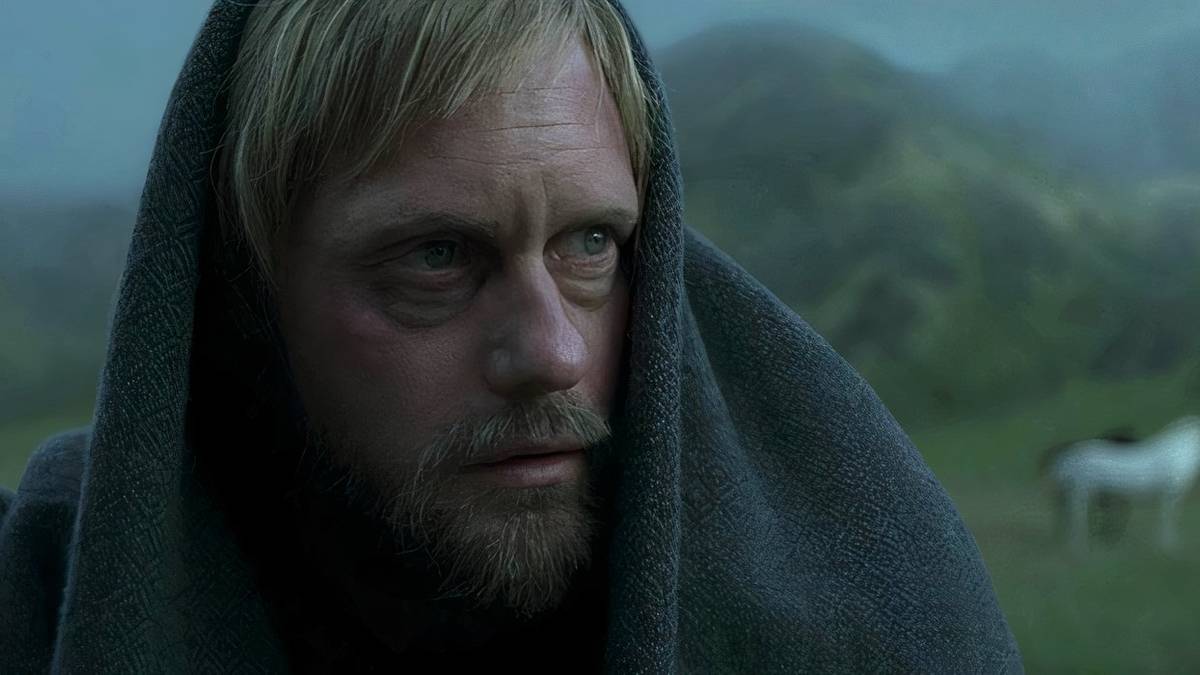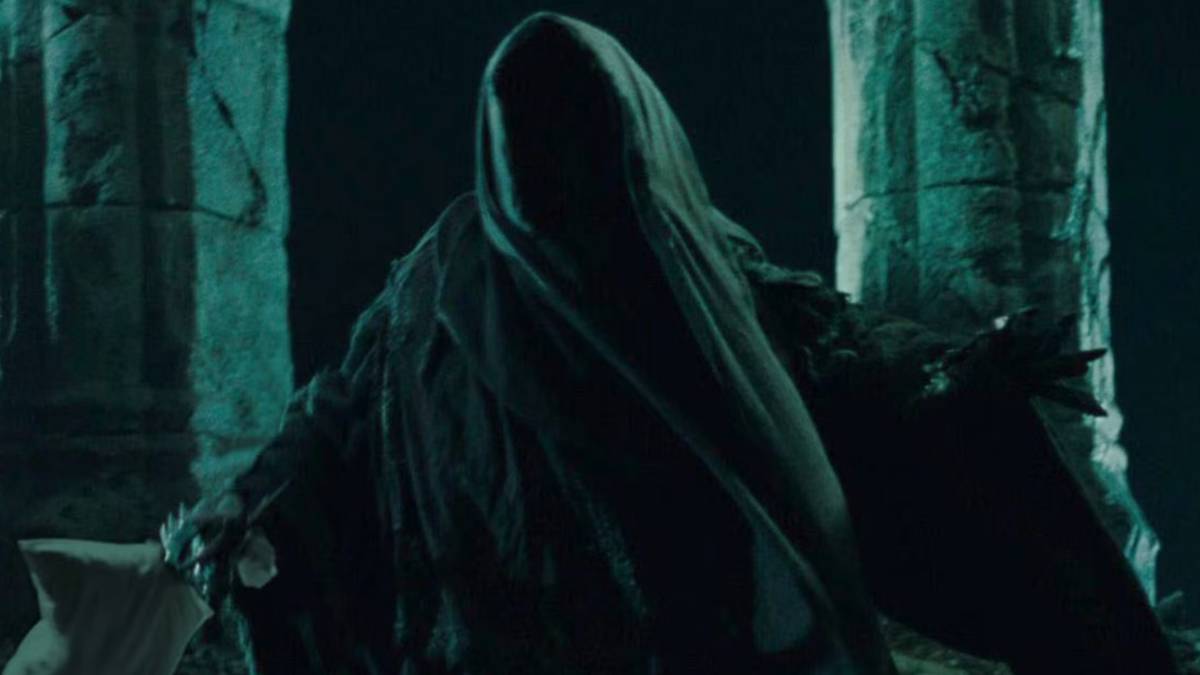
Twenty-five years after its release, The Lord of the Rings: The Fellowship of the Ring still holds a special place in cinema history. But one sequence, in particular, stands out as a masterclass in tension and terror: the descent into Moria. It's a scene that transforms the epic fantasy into a full-blown horror movie, and it all starts with a careless hobbit and a well.
Pippin's decision to drop a skeleton down a well is played for laughs at first. The clattering chain echoes through the mountain, and we can't help but chuckle at his foolishness. But as the sound stretches on, the humor fades, replaced by an unsettling realization: that noise is going to attract something. Peter Jackson, the film's director, uses this moment to flip a switch, turning a lighthearted adventure into a nerve-wracking nightmare.
The true horror of Moria lies in its history. When the Fellowship reaches Balin's tomb, they find the remains of Gimli's cousin and his company, all slaughtered by the forces that still lurk below. Gandalf reads the final words of the dwarves, "We cannot get out," and the weight of their fate settles over the group. This is not just a dark, abandoned mine; it's a graveyard, and the drums that begin to beat are a funeral march for the Fellowship itself.
The sound design in this sequence is crucial. The drums are not just a warning; they are a sign of intelligence and organization. A single growl would be scary, but drums suggest an army, a coordinated force that knows exactly where the Fellowship is. When Boromir announces the arrival of a cave troll, it's almost a relief—a tangible enemy they can fight. But the Balrog, when it appears, is something else entirely.
The Balrog is scariest before we see it. The roar that echoes through the halls, the glow that illuminates the darkness, and the sudden retreat of the orcs all build to a moment of pure dread. Gandalf's words, "Swords are useless here," strip away the Fellowship's last hope of fighting back. They can only run.
The confrontation on the Bridge of Khazad-dûm is a heroic stand, but it's also a moment of profound loss. Gandalf's sacrifice is a win, but only for a moment. The whip that drags him into the abyss is a cruel reminder that even the mightiest can fall. The scene is a testament to Jackson's ability to blend action, emotion, and horror into a single, unforgettable sequence.
This approach to horror has influenced other projects, including The Rings of Power, which explores the fall of Khazad-dûm from a different perspective. The show's Season 2 finale gives us a Balrog that is terrifying not just for its power, but for the destruction it brings to a city we've come to know. It's a different kind of horror, but one that echoes the same themes of hubris and doom.
For fans of fantasy films that nearly achieve perfection, the Moria sequence remains a benchmark. It's a reminder that the best horror doesn't rely on jump scares, but on the slow, creeping realization that there is no way out. And it's a testament to the power of sound and silence in creating dread.
As we look back on this iconic scene, it's clear that Jackson understood something fundamental about fear: it's not the monster that terrifies us, but the anticipation of it. The drums in Moria are a heartbeat, counting down to doom. And even though we know what's coming, we still hold our breath, waiting for the drums to start again.