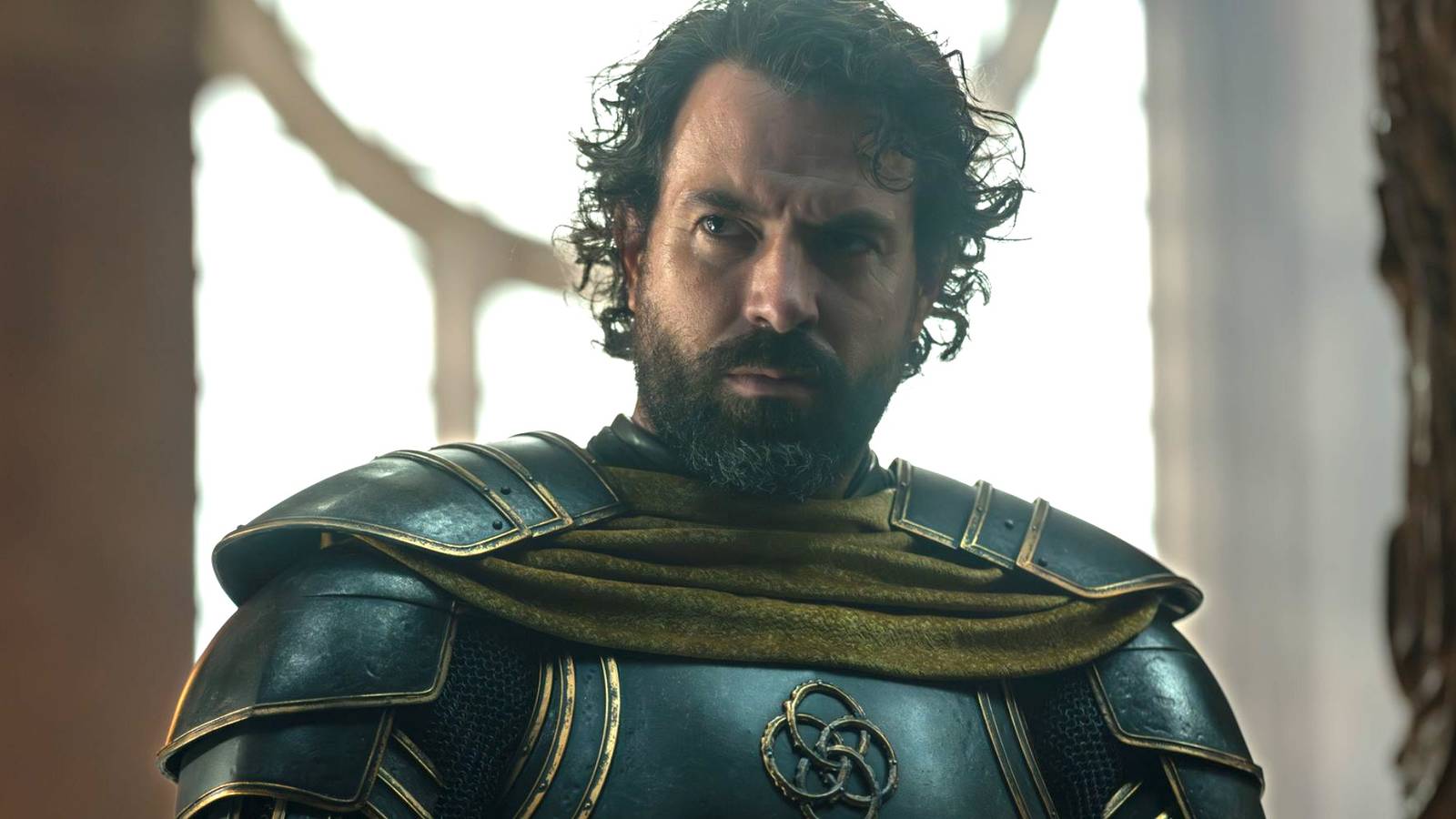
When House of the Dragon first premiered, it faced the unenviable task of following Game of Thrones, one of the most beloved fantasy series in television history. For two seasons, the prequel was often dismissed as a slower, less thrilling version of its predecessor. But now, with Season 3, the show has not only found its footing—it has soared, earning a place among the greats of the genre.
A Slow Burn That Paid Off
The early seasons of House of the Dragon were all about laying groundwork. The intricate political maneuvering, the generational grudges, and the slow erosion of trust between Princess Rhaenyra (Emma D’Arcy) and Alicent Hightower (Olivia Cooke) set the stage for the explosive conflict that defines Season 3. This patient storytelling, often criticized as sluggish, has proven essential. By the time Alicent orchestrates a coup to place her son Aegon (Tom Glynn-Carney) on the throne, the audience is fully invested in the tragedy unfolding.

The Battle of the Gullet: A Turning Point
Season 3’s centerpiece is the Battle of the Gullet, a sequence that rivals anything in Game of Thrones for sheer spectacle and emotional weight. It’s here that the series truly comes into its own, delivering the fire and blood fans have been craving. The season has earned the highest Rotten Tomatoes score in the show’s history, a testament to its improved pacing and narrative focus.
Daemon Targaryen’s Redemption Arc
One of the most divisive elements of Season 2 was Daemon Targaryen’s (Matt Smith) extended stay at Harrenhal, where he was plagued by visions and indecision. Many fans felt the Rogue Prince was wasted in the cursed castle. But his eventual return to Rhaenyra’s side, pledging unwavering loyalty, has set the stage for the Dance of the Dragons to truly begin. With Daemon as her fiercest ally, Rhaenyra’s campaign gains momentum, promising even more dragon-on-dragon carnage.
Surpassing Game of Thrones
It’s a bold claim, but House of the Dragon has arguably surpassed its predecessor in some ways. Where Game of Thrones was high-octane from the start, the prequel excels at drawing out drama. At its core, this is an anti-war story that needs time to breathe. Unlike the original series, there are no clear heroes or villains here—just two flawed factions tearing each other apart. This moral ambiguity makes the conflict more compelling and the stakes higher.
The show’s success also highlights the strength of the extended Song of Ice and Fire universe. Other adaptations, like A Knight of the Seven Kingdoms, prove that these stories can thrive without copying Game of Thrones. House of the Dragon is a brutal civil war that leaves Westeros forever changed, and that’s exactly what makes it a classic.
For fans of epic fantasy, this is must-see TV. Whether you’re rooting for the Blacks or the Greens, one thing is clear: House of the Dragon has earned its place in the pantheon of great fantasy series. If you’re looking for more inventive fantasy worlds, check out our list of Fantasy Books with the Most Inventive Magic Systems Ever Written. And for those who love medieval epics, don’t miss our ranking of the Top 10 Medieval Fantasy Movies of the Last 25 Years.