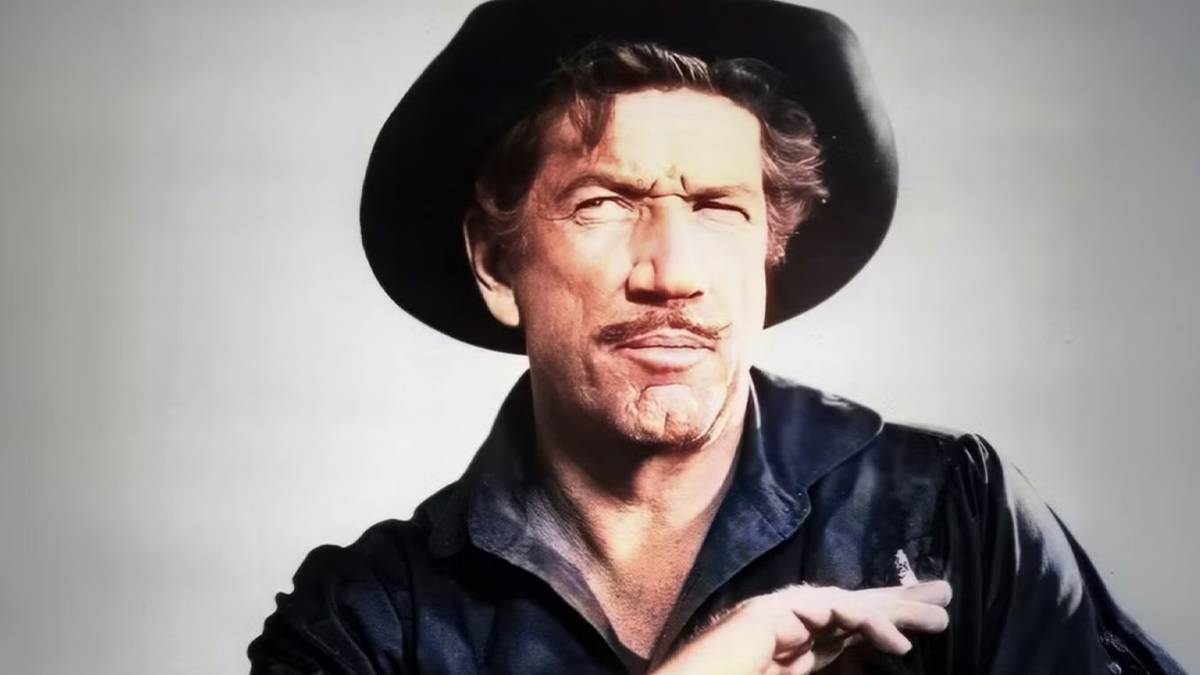
From the dusty trails of Gunsmoke to the sprawling Ponderosa of Bonanza, Western television has given us countless memorable moments. Yet, even as modern hits like Taylor Sheridan's Western empire and Dark Winds carry the genre forward, one classic series stands apart for its legendary introduction. Have Gun — Will Travel, starring Richard Boone as the gunslinger-for-hire Paladin, boasts what many argue is the most perfect opening sequence in the history of the Western TV genre.
A Masterclass in Atmospheric Storytelling
What makes this opening so enduring? It's a masterclass in economy and mood. The sequence fades in on Paladin's distinctive holster, embroidered with a chess knight, as he deliberately draws his Colt .45. This simple, solemn action is underscored by the instantly recognizable four-note instrumental theme, "The Ballad of Paladin." In mere seconds, it establishes a world of quiet tension, moral ambiguity, and a lone professional navigating a harsh landscape. Each episode began with a cryptic quote from Paladin himself, teasing the ethical quandaries and adventures to come in the following half-hour.
There's a profound gravity to this intro that sets the stage for the show's nuanced take on the Old West. Paladin isn't a reckless shootist; his draw is measured and intentional. The sequence paints a picture of a solitary man operating in a world where justice is rarely black and white, a theme that resonates in modern hybrids like Outer Range. From the very first frame, we understand this is a different kind of hero—mysterious, intellectual, and operating by his own code.
The Evolution of an Iconic Intro
While the core elements remained, the opening evolved slightly over the show's six-season run. It shifted from the extreme close-up of the holster to include a silhouette of Paladin in action, yet it never lost its powerful focus on his isolation. The emphasis on his lone status, culminating in the drawn revolver, reinforces the character's essential distance from the world he moves through. The iconic theme, co-written by star Richard Boone, creator Sam Rolfe, and performer Johnny Western, became synonymous with the character.
The show's closing credits offered a lyrical companion piece, with the full "Ballad of Paladin" song describing him as "a knight without armor in a savage land." This musical bookend cemented the show's unique identity. Interestingly, many later generations know the tune best from its poignant use in the 1986 coming-of-age film Stand By Me, a testament to its cultural reach beyond the Western genre.
Paladin: The Unconventional Gunslinger
Of course, the brilliant opening is merely the gateway to one of television's most fascinating Western protagonists. Paladin broke the mold. He was a Renaissance man—a highly educated, philosophical hired gun who preferred to use his wits as often as his weapon. This complexity attracted top writing talent, including a young Star Trek creator Gene Roddenberry, who penned episodes where Paladin solved conflicts through intellect rather than force. This thoughtful approach to storytelling makes the series a timeless binge, much like how Bass Reeves captivates modern streaming audiences.
Each episode was a self-contained journey, with Paladin arriving in a new town to confront human dramas that felt both classic and freshly examined. The show's enduring charm is inextricably linked to that brief, potent opening sequence. The four-note fanfare doesn't just introduce a show; it primes the audience for a thoughtful, action-packed, and morally complex adventure. It's a promise of the compelling television to follow, a promise the series consistently delivered.
In an era crowded with Western legends, Have Gun — Will Travel secured its immortal place not just through great storytelling, but through an opening title sequence that is, in itself, a miniature masterpiece of the genre. It proves that sometimes, the most powerful stories can be told in under a minute, with just a holster, a gun, and a perfect, haunting melody.