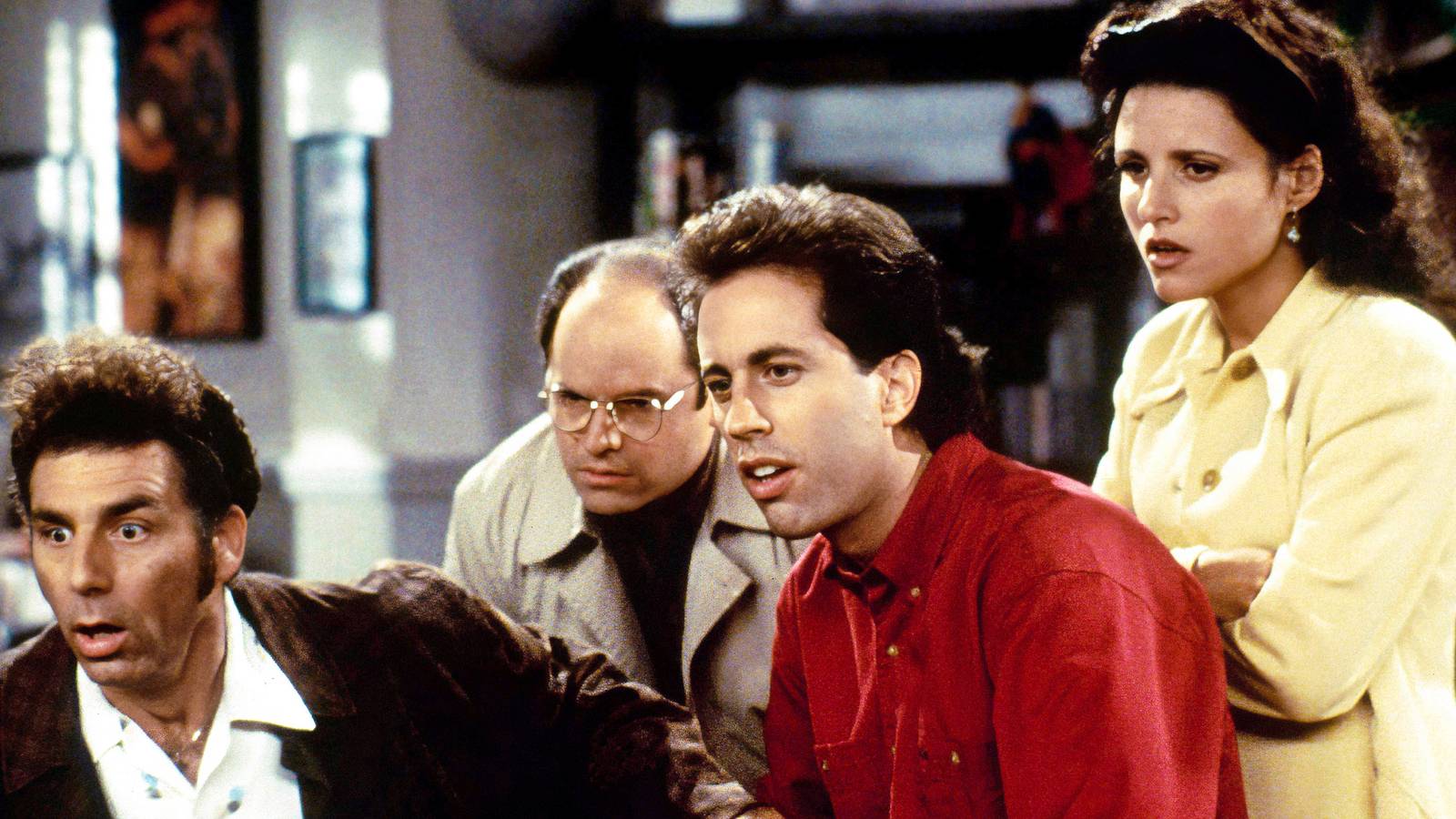
When Seinfeld first hit the airwaves, NBC had one major demand: add a woman to the cast. That request led Larry David and Jerry Seinfeld to create Elaine Benes, played by Julia Louis-Dreyfus. In the early seasons, Elaine was the show's secret weapon—a seemingly refined, progressive counterpoint to Jerry, George, and Kramer's boorish behavior. But as the series progressed, and especially after Larry David departed following Season 7, Elaine underwent a dramatic transformation that stripped away much of what made her unique.
The Early Elaine: A Diamond in the Rough
In the beginning, Elaine was more than just "the girl." She was Jerry's ex-girlfriend turned platonic pal, and while she occasionally felt like a tag-along, she quickly developed her own identity. She was outspoken about her values: she opposed real fur, insisted on dolphin-safe tuna, and championed recycling. She volunteered with senior citizens in "The Old Man," proudly served as best man in a lesbian wedding, and even participated in a charity bachelor auction. Compared to her male counterparts, Elaine seemed like the epitome of a responsible, progressive New Yorker.

But that veneer of propriety was always fragile. Week after week, Elaine's neuroses and superficiality would surface, proving she was just as self-absorbed as the guys. She couldn't date someone unattractive, she stole toilet paper from a ladies' room for revenge, and she once ripped a toupee off George's head and threw it out the window. Louis-Dreyfus's perky, bubbly performance in those years made Elaine's flaws even funnier—she genuinely believed she was a good person, which made her inevitable failures all the more hilarious.
The Later Elaine: A Cynical Transformation
By the time Seasons 8 and 9 rolled around, Elaine was almost unrecognizable. The vintage suits, big white socks, and half-up hairdo were replaced by modern business attire and loose curls. More importantly, her civic-mindedness vanished. No more recycling crusades, no more charity work, no more perky demeanor. Instead, Elaine became openly cynical and bitter. She landed a job at the J. Peterman Company—even briefly running it—but she was miserable. Her long-term relationship with David Puddy was fraught with disdain, and she frequently expressed contempt for her friends.
This shift wasn't entirely out of left field; all the characters grew more selfish and unhappy as the series wore on. But Elaine's change was accelerated by Larry David's exit. As writer David Mandel noted in DVD commentary for "The Bizarro Jerry," the show's tone shifted without David's guiding hand. Elaine, once the show's luster, lost her spark. She went from being a character who aspired to goodness—and failed—to one who no longer seemed to care at all.
For fans, the later Elaine is a divisive figure. Some appreciate her sharper edge, while others mourn the loss of the character who once gave Seinfeld its heart. Either way, her evolution is a fascinating case study in how a show can change when its creative engine departs. And it's a reminder that even the most beloved characters aren't immune to the sands of time—or the whims of a writers' room.