When Kane Parsons' Backrooms hit HBO Max, it became an instant phenomenon—a $10 million indie that grossed nearly $400 million worldwide and turned a YouTube creepypasta into a cinematic nightmare. But behind those endless yellow corridors and unsettling liminal spaces lies a story of technical ingenuity that's just as fascinating as the film itself.
Parsons, who was just 20 when he directed the feature, had already built a following with his viral YouTube shorts, all created in the open-source 3D software Blender. The challenge for production VFX supervisor Edward Douglas was translating that DIY aesthetic into a feature film without blowing the budget. "We went in knowing this was a lean budget film with quite an expansive vision," Douglas recalls. "One of the first things we set about doing was figuring out how we can take advantage of that kind of process and pipeline in a cinematic feature film environment."
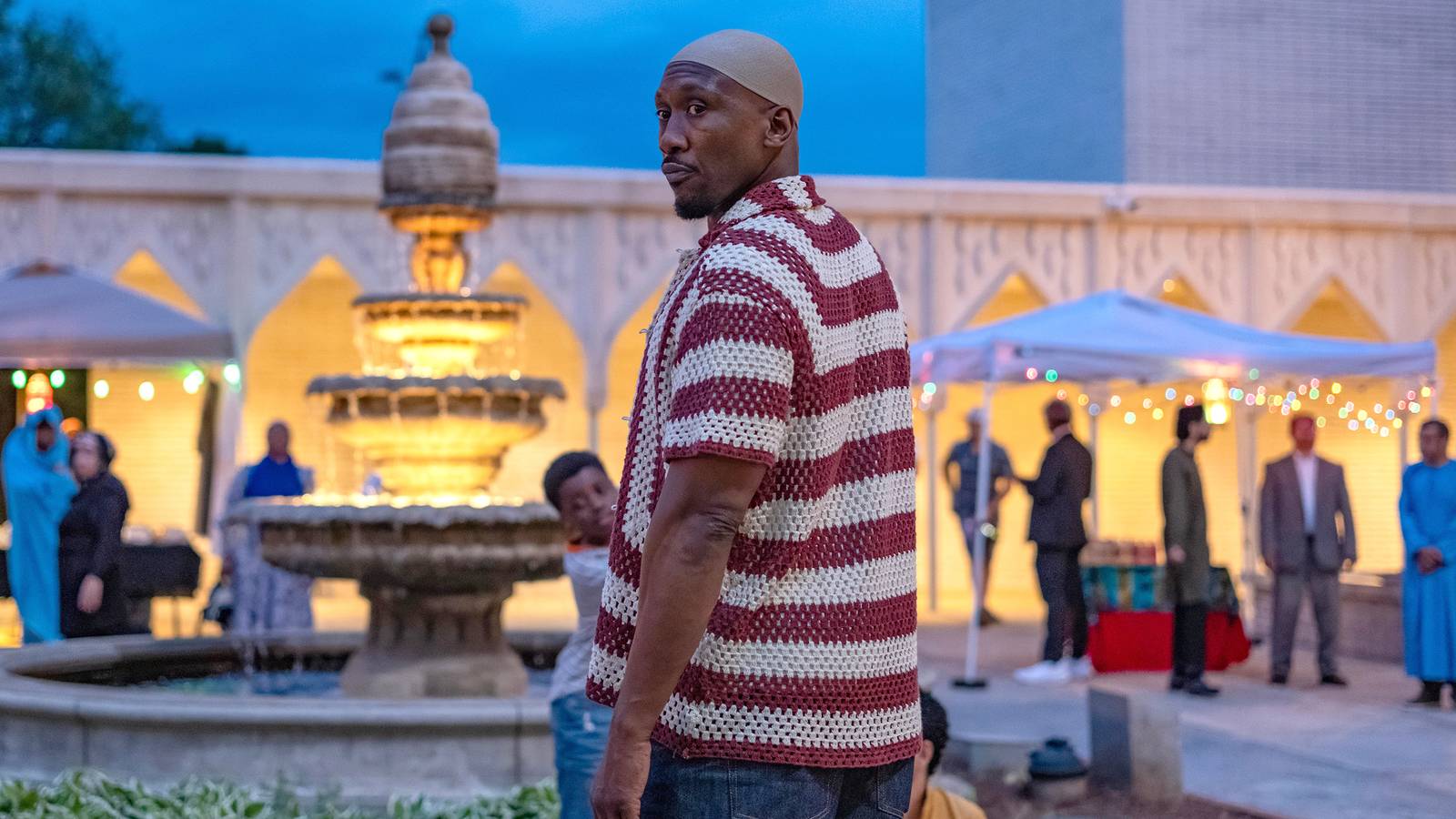
The solution came from an unlikely source: Calvin Romeyn, an associate VFX supervisor with a résumé that includes Avengers: Endgame and Star Wars: The Rise of Skywalker, but who also had a passion for indie filmmaking and Blender. "Ed's like, 'It's this internet thing, you probably never heard of it, called The Backrooms'... I was like, 'Hold up, are they doing a movie?'" Romeyn remembers. His company, Roxel Creative, uses Blender for all its CGI, making him the perfect bridge between Parsons' grassroots approach and Hollywood polish.
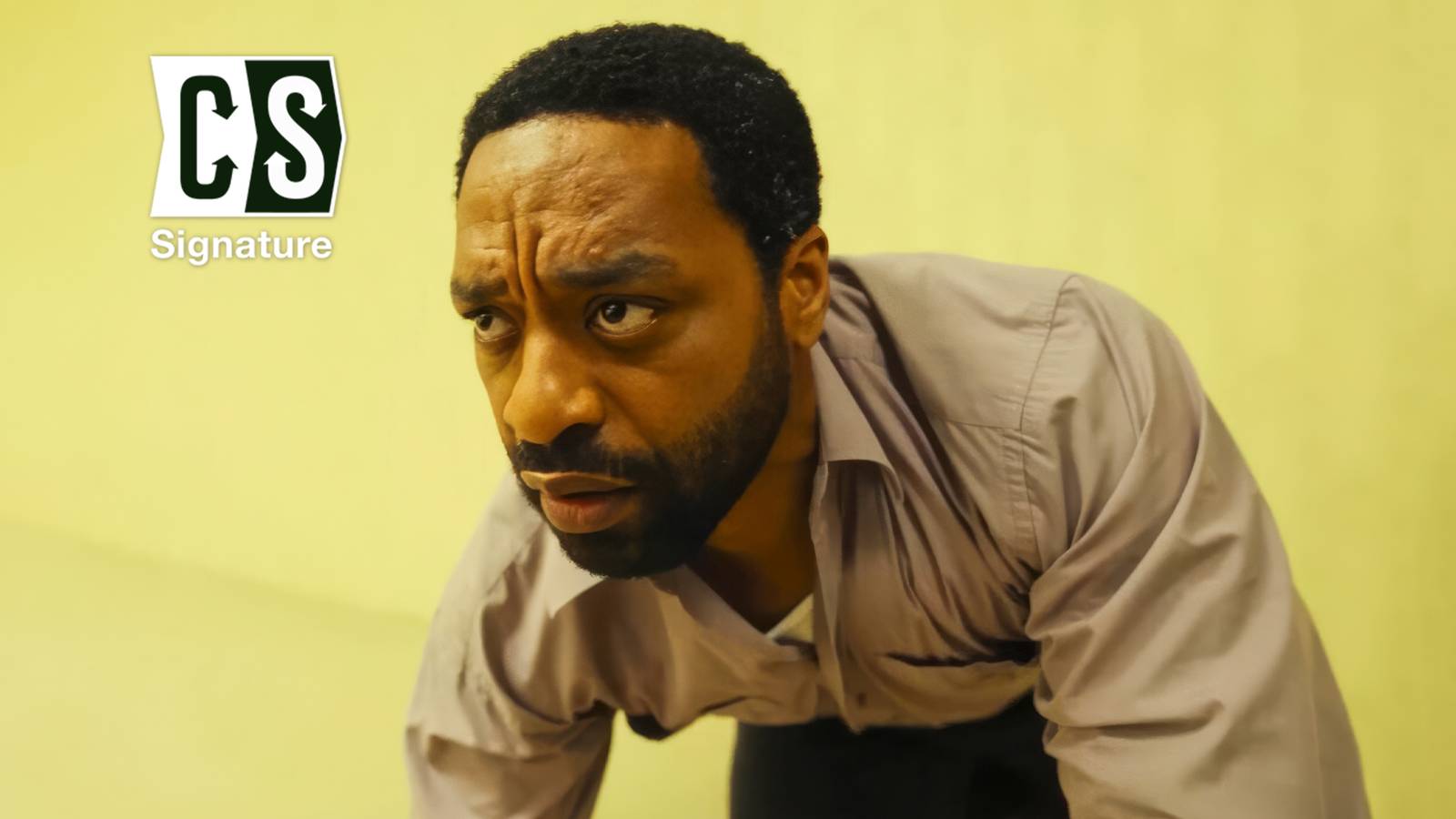
Parsons handed over Blender files containing 100,000 square feet of backrooms—so detailed they initially crashed the team's computers. Production designer Danny Vermette built 30,000 square feet of physical sets, but the rest had to be extended digitally. "The proven methods from Kane Parsons in Blender saved us thousands of square feet of set we don't have to build," Douglas explains. "We never actually see our feature actors Chiwetel Ejiofor or Renate Reinsve interact with."
Mr. Wolf VFX, led by John Pierce, handled the tricky "wall clipping" sequences where characters pass through solid walls. "It's this minimalist, simplistic concept and yet achieving it ended up being complex," Pierce says. The team built geometry for each room, matched actor movements, and aligned lighting to make the effect seamless. "We're looking at every pixel to make sure no stone is left unturned."
The result was 600 VFX shots—75% of the film's total 830 shots. But the collaboration didn't stop at the studio. Parsons had remote access to a workstation, logging in to tweak cameras or swap assets in real time. "The director was a VFX artist, so we were able to speak the same language," Romeyn notes.
Even the film's found-footage aesthetic was a budget hack: many sequences were shot in low resolution and transferred to actual VHS tape for processing—no digital filter required. It's a testament to the crew's resourcefulness that Backrooms looks like a million bucks (or rather, $10 million) and has become one of HBO Max's surprise hits, proving that sometimes the boldest experiments come from the smallest budgets.
For fans of flawless psychological thrillers, Backrooms is a must-watch. And for aspiring filmmakers, it's a masterclass in making every dollar count—and every pixel matter.