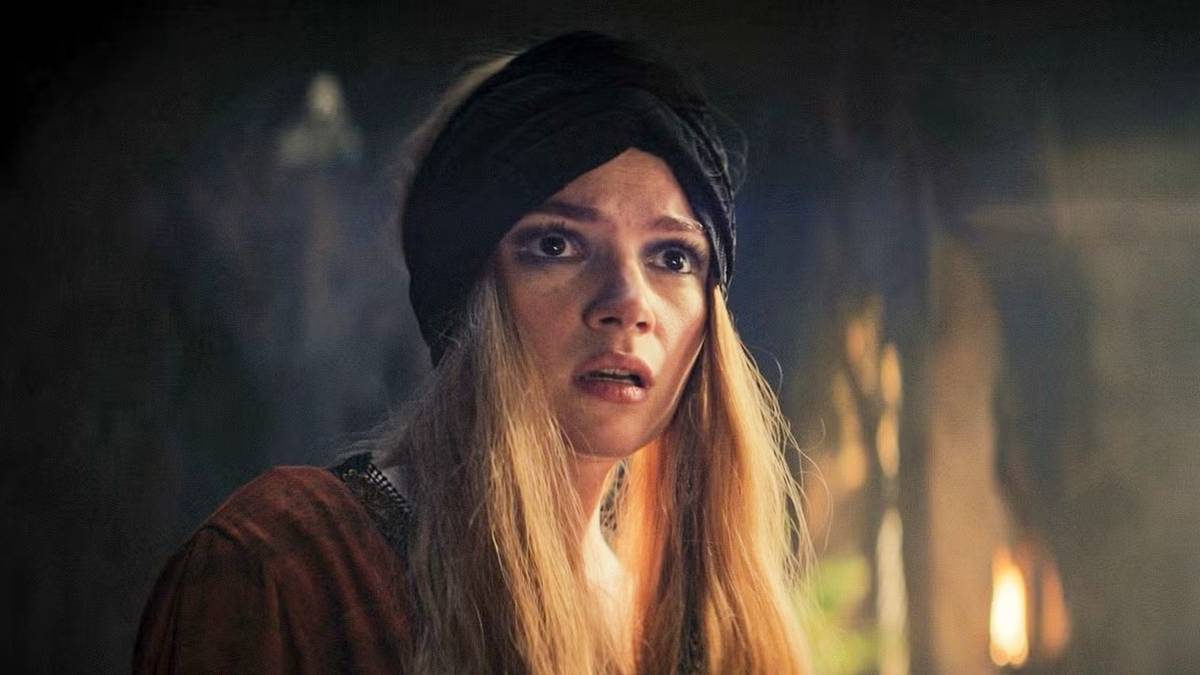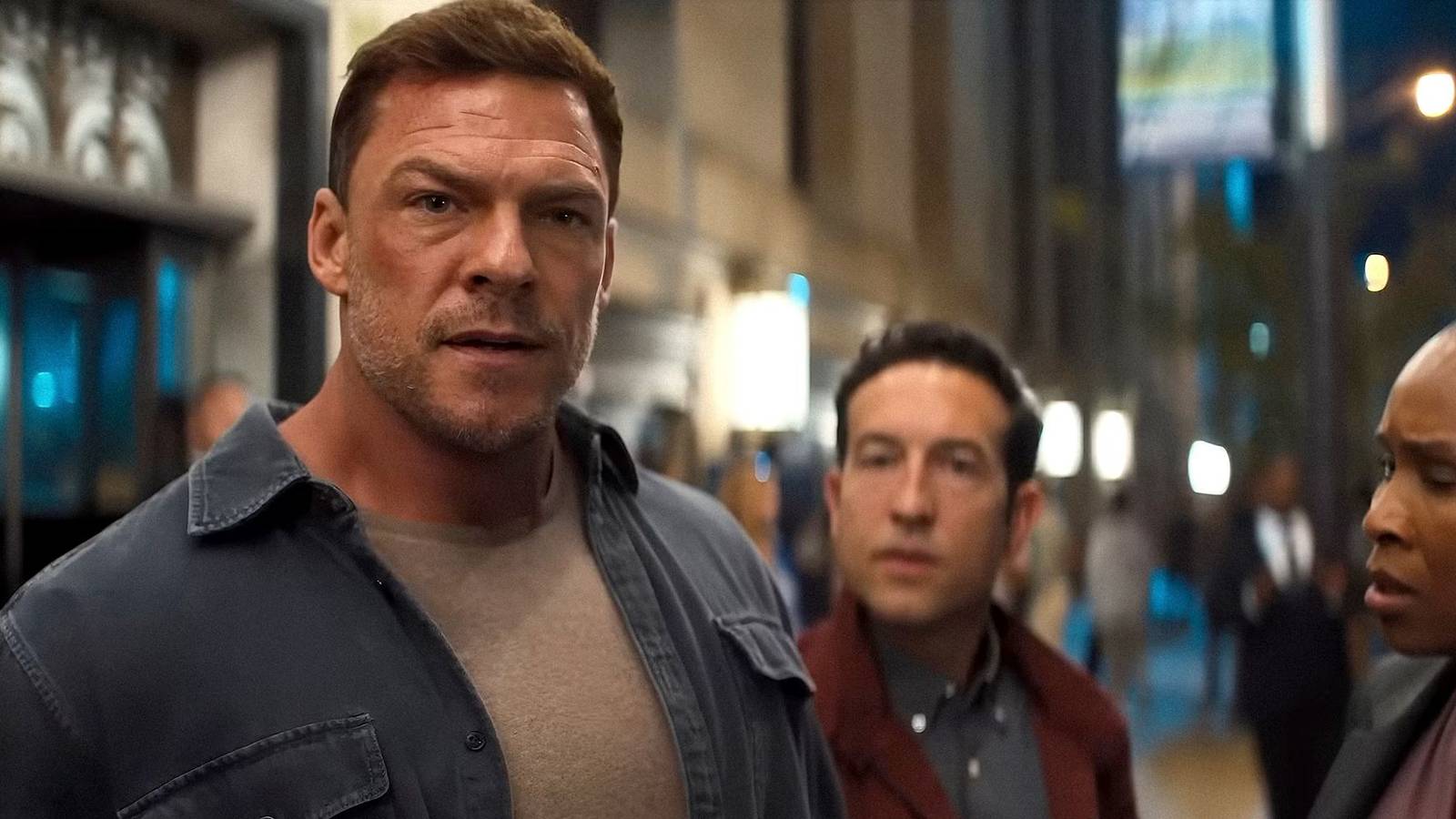
Some novels don't just entertain—they change the DNA of an entire genre. Frederick Forsyth's The Day of the Jackal, published in 1971, did exactly that. It redefined the spy thriller with its obsessive focus on process and detail, and its influence ripples through to today's streaming hits, most notably Prime Video's Reacher.
Forsyth's novel was a masterclass in blending fact with fiction. It took a real historical event—the 1962 assassination attempt on French President Charles de Gaulle by the far-right Organisation de l'Armée Secrète (OAS)—and spun a fictional narrative around it. The OAS, furious over de Gaulle's push for Algerian independence, hired a mysterious English hitman known only as "the Jackal." He was a meticulous, emotionless professional who refused any assistance, relying solely on his own cunning and an arsenal of forged identities.
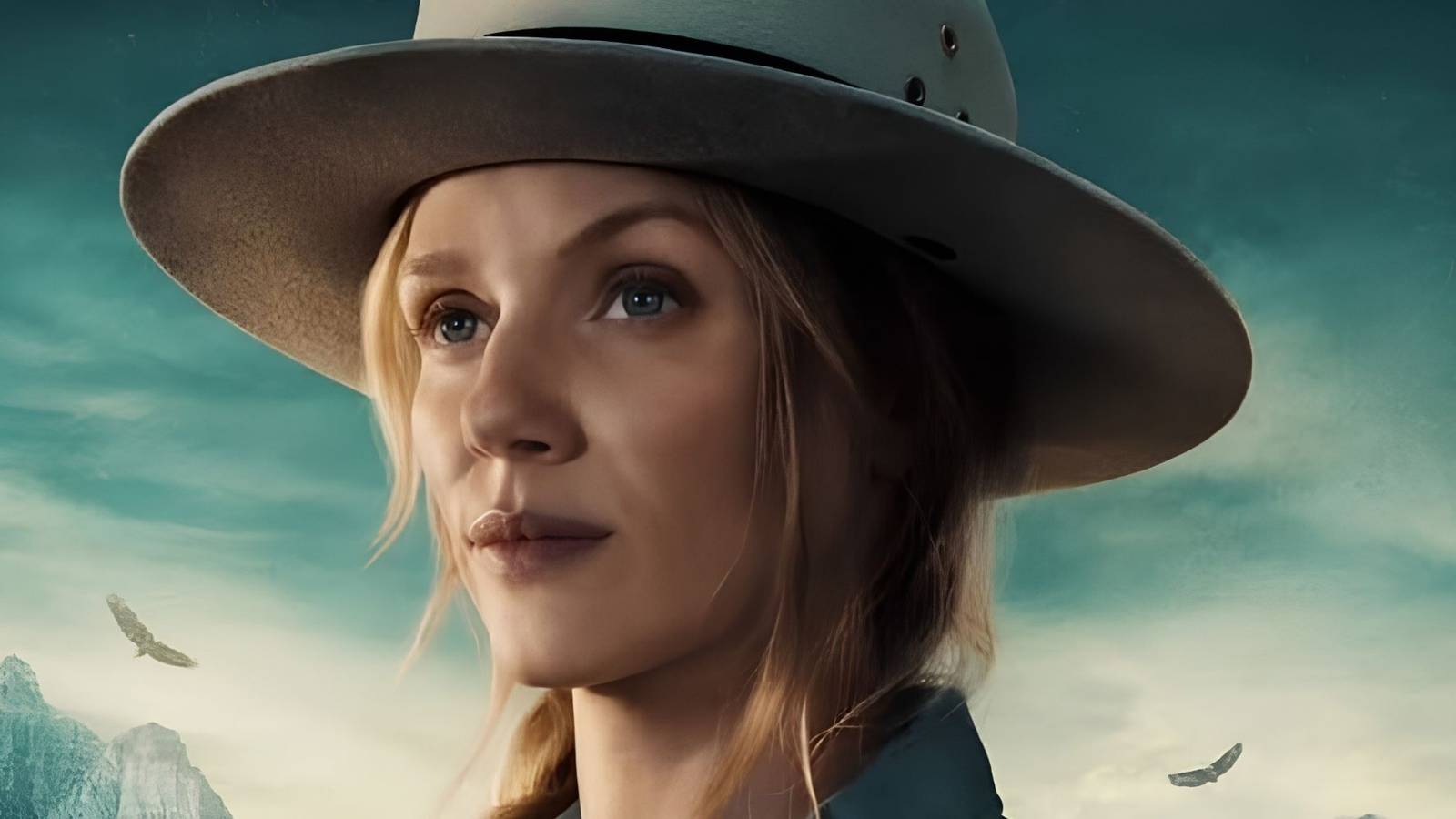
The cat-and-mouse chase between the Jackal and French detective Claude Lebel is a tense, methodical thriller. The Jackal's near-misses and his final, dramatic shot at de Gaulle—which misses by a hair—kept readers on edge. The novel's success spawned a faithful 1973 film, a loose 1997 remake with Bruce Willis, and most recently, a Peacock series that captures the book's spirit.
But the novel's most surprising legacy might be on Prime Video. Lee Child, the creator of Jack Reacher, has openly cited Forsyth's work as a major inspiration. In interviews, Child has said that what struck him was Forsyth's dedication to the "minutiae of the process"—the painstaking research into how a forger creates a passport, how a gunsmith builds a collapsible rifle, how security details operate. This commitment to realism was revolutionary.
Child took that lesson to heart. He assumed readers would be fascinated by the details of Reacher's military background and the practicalities of his actions. That's why Reacher—both the books and the Amazon series—spends so much time on the "how" rather than the "why." We see Reacher methodically planning his moves, using his observational skills, and relying on his physical prowess, all without the burden of a complex backstory.
The parallels between the Jackal and Reacher are striking. Both are loners, operating outside the system. Both are hyper-competent, with a near-obsessive attention to detail. But there's a crucial difference: the Jackal is a mercenary, motivated by money and devoid of morality. Reacher, on the other hand, is a drifter with a strict personal code, often helping strangers in need. He's the kind of hero you'd want to have your back, whereas the Jackal is the kind you'd hope never to cross.
This contrast is what makes Reacher so compelling. It takes the structural brilliance of The Day of the Jackal—the ticking clock, the procedural detail, the lone wolf protagonist—and infuses it with a more traditional sense of justice. The result is a show that feels both classic and fresh, a testament to the enduring power of Forsyth's vision.
As streaming platforms continue to mine literary history for content, it's worth remembering the 1970s classics that paved the way. The Day of the Jackal isn't just a great read; it's a foundational text for modern action thrillers. And if you're a fan of Reacher, you owe it to yourself to check out the source material. It's a reminder that the best stories often come from the most unexpected places.