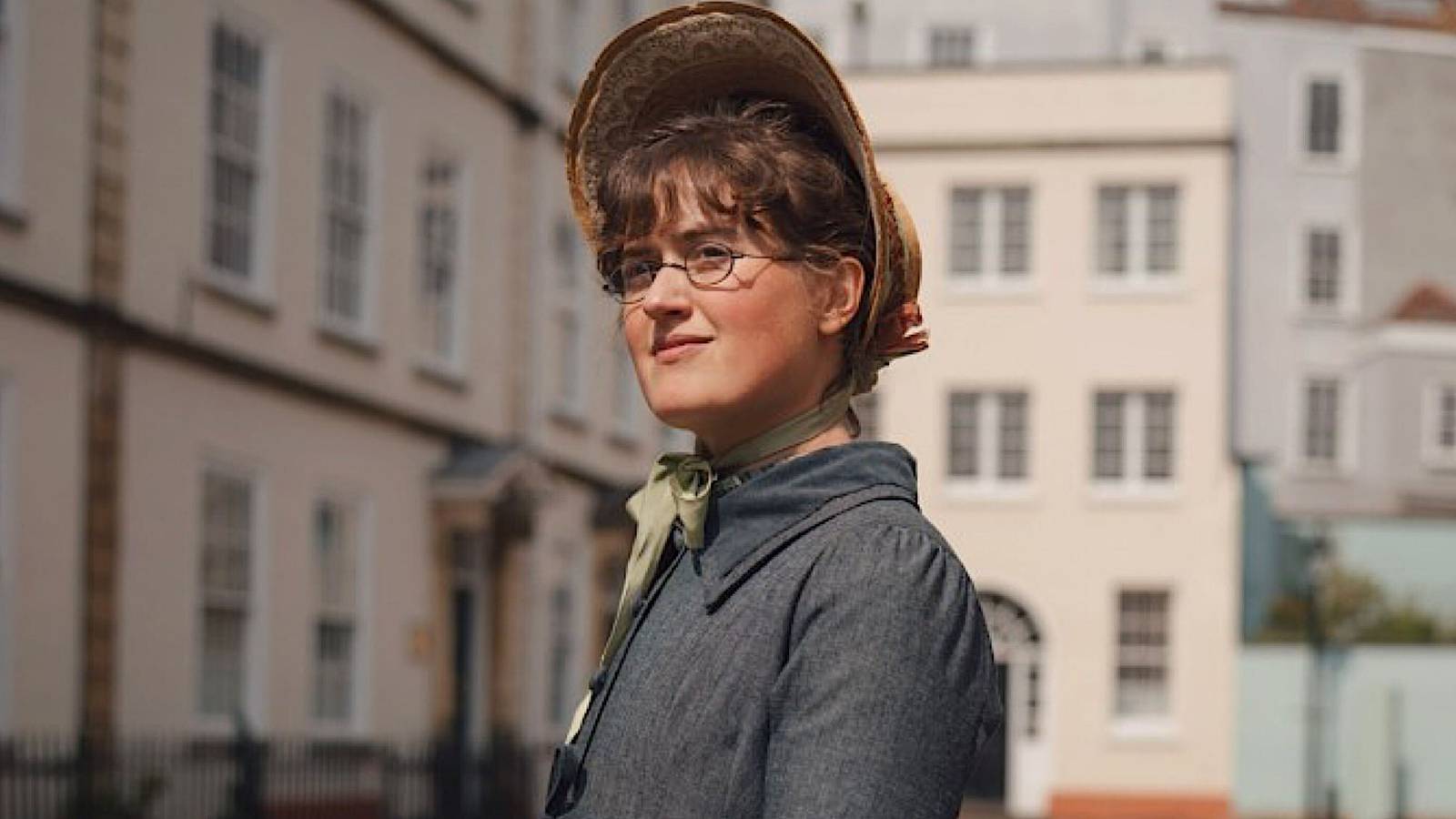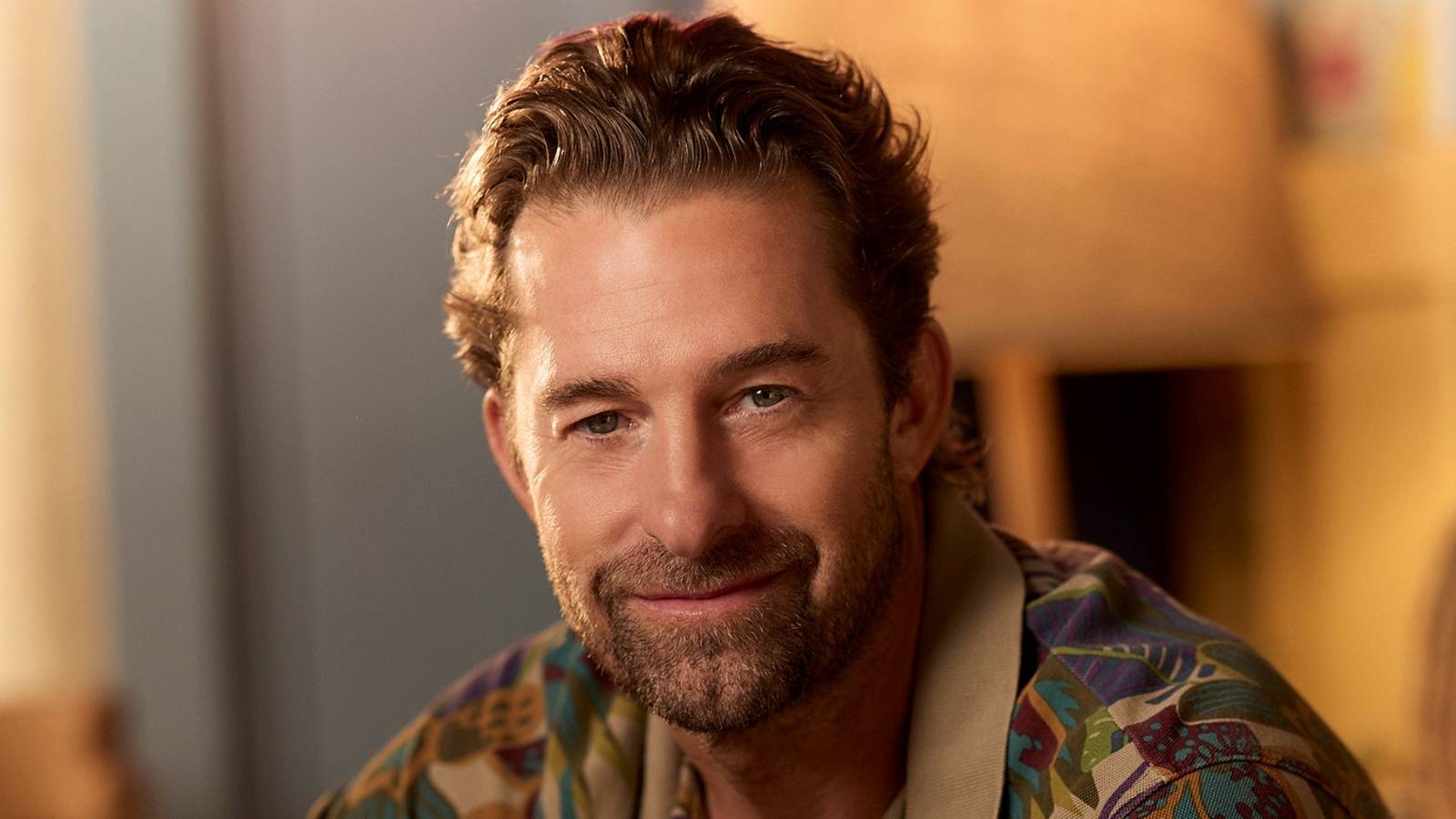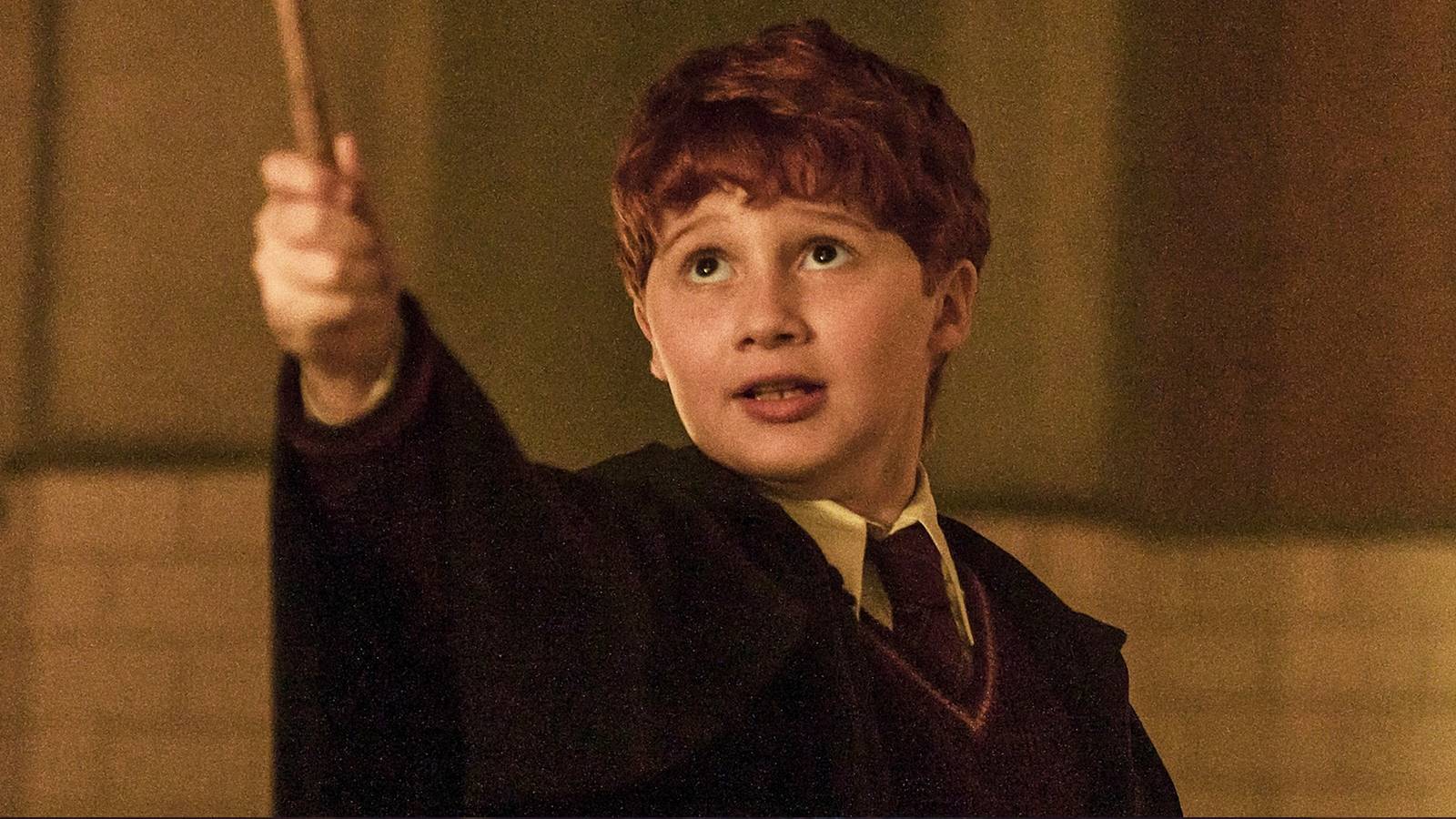
As HBO gears up for its highly anticipated Harry Potter series, fans are buzzing about a revelation that could set the reboot apart from the films. Rafe Spall, who will play Arthur Weasley, has teased that Season 2 will include a pivotal moment from the books that never made it to the big screen—a confrontation with Lucius Malfoy that promises to deepen the story's social commentary.
In a recent interview with Deadline, Spall confirmed he shares a key scene with Johnny Flynn's Lucius Malfoy in the second season. While he stayed tight-lipped about specifics, he couldn't help but note the irony of his casting: his father, Timothy Spall, played Peter Pettigrew in the original films, a character who spent years disguised as Ron's pet rat, Scabbers. "It’s funny that my dad played Ron’s rat and now I’m playing Arthur Weasley," Spall joked. "The other day I was on set and Ron’s rat was there. I took a photograph next to it. If I had social media, I would post it."
For devoted readers, the scene in question is almost certainly the infamous bookstore brawl in Harry Potter and the Chamber of Secrets. When the Weasleys and Malfoys cross paths at Flourish & Blotts during Gilderoy Lockhart's book signing, Lucius insults the Weasleys' financial struggles, sparking a physical fight with Arthur. Amid the chaos, Lucius secretly slips Tom Riddle's diary into Ginny's cauldron, setting the plot of the second book in motion. But beyond the plot mechanics, this moment shines a spotlight on a theme the movies largely glossed over: the deep class divisions within the wizarding world.
The HBO series has a golden opportunity to explore this conflict more thoroughly. In the books, the Weasleys are a loving but financially strained family, while the Malfoys flaunt their wealth and influence. This disparity is a recurring thread, from Ron's embarrassment over his second-hand robes to his outburst in Goblet of Fire about being poor. The series can use the Arthur-Lucius clash as a springboard to examine how economic status shapes characters' identities and choices, adding layers that the films often sacrificed for runtime.
This class tension also ties into the larger narrative arc. Lucius Malfoy is revealed to be a Death Eater, while Arthur and Molly Weasley become key members of the Order of the Phoenix. By foregrounding their ideological and social opposition early on, HBO can build a richer foundation for the escalating conflict in later seasons. It's a smart move that could make the reboot feel more faithful to the books' thematic depth.
Moreover, this expanded focus could finally give Ron Weasley the well-rounded portrayal he deserves. In the movies, Ron often served as comic relief or Harry's loyal sidekick, but the books paint a more complex picture—a boy grappling with insecurity, jealousy, and the weight of living in his best friend's shadow. Exploring the Weasleys' financial struggles and Ron's feelings about them would add emotional resonance and make his character arc more compelling.
As HBO prepares to launch the series, the promise of such nuanced storytelling is exciting. With a talented cast and a chance to delve deeper into the source material, the reboot could offer something fresh for both longtime fans and newcomers. The premiere of Harry Potter and the Philosopher's Stone is set for December 25, 2026, on HBO Max, and anticipation is already building.
For those eager to revisit the magic, check out our ranking of the Harry Potter movies or explore classic fantasy books to tide you over. And if you're curious about the behind-the-scenes drama, Nicola Coughlan's stance adds another layer to the conversation.